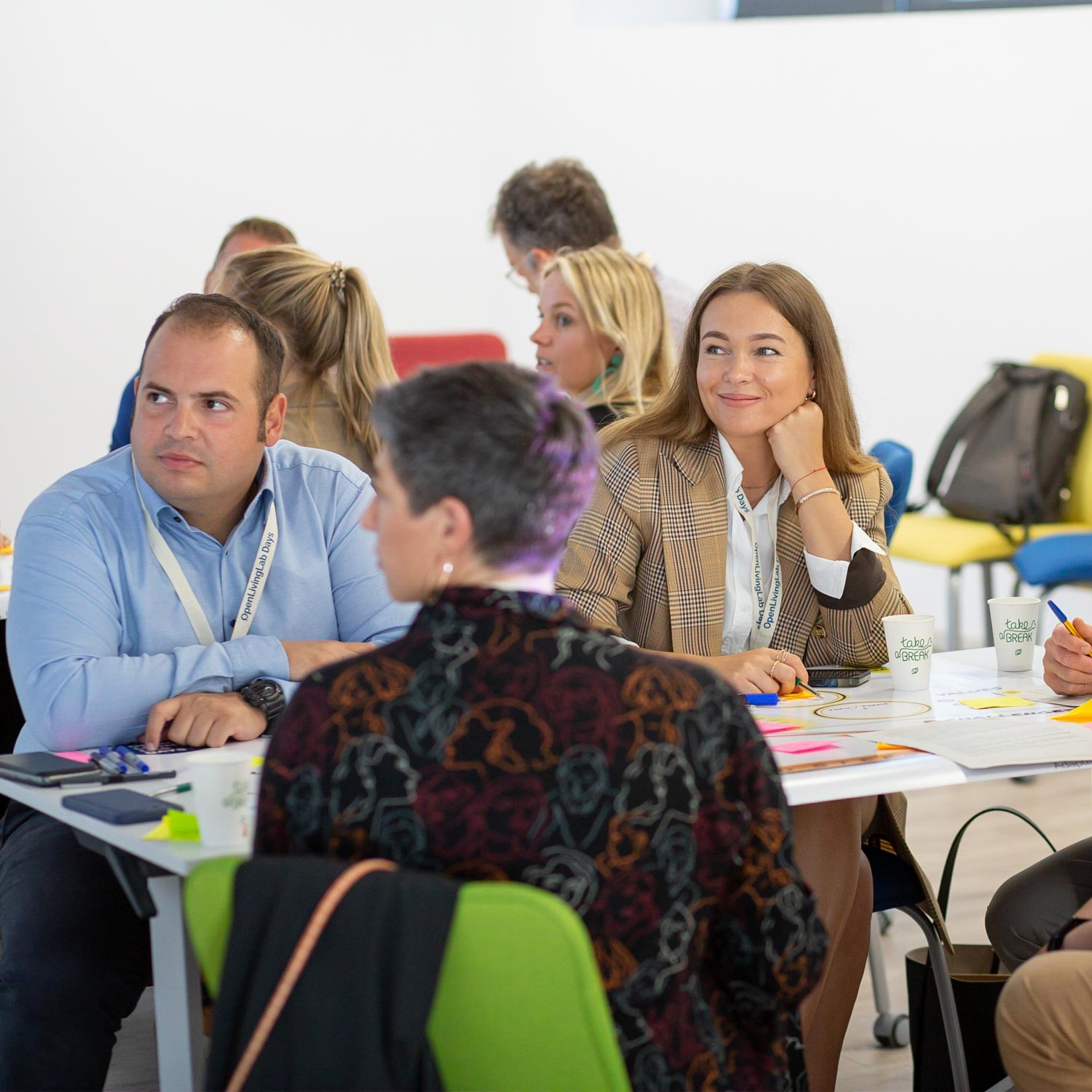
OpenLivingLab Days 2026 brought more than 400 participants from 42 countries to Brussels and Antwerp, Belgium, from 29 September to 2 October 2026. This year’s edition of the ENoLL flagship event was co-organised with LiCalab (Living & Care Lab), hosted by Thomas More. It explored the theme “Living Labs Impacts and Values for a Changing World”.
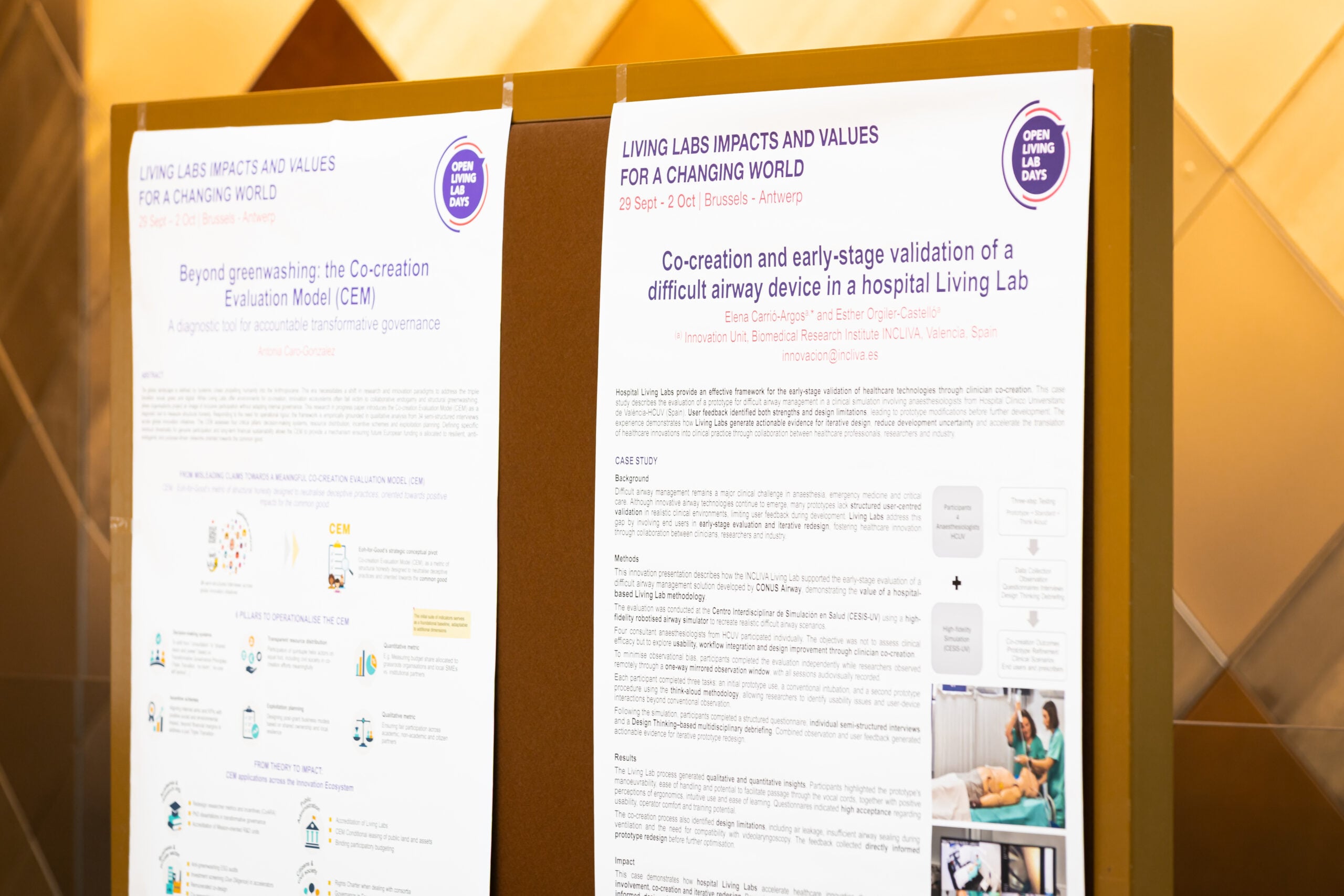
The diverse programme featured a policy event, Living Lab training through the Learning Lab Day 0, 17 panel sessions, 20 hands-on workshops and 7 research sessions showcasing 42 research presentations. Opportunities to learn and connect continued through a networking poster session featuring 19 research posters and 19 networking posters, 6 garden talks, a brokerage and matchmaking event, 9 exhibition booths and 6 field visits.
Thank you for being part of our Living Lab community. Thank you, too, for bringing your ideas, experiences and energy to OpenLivingLab Days 2026. Discover more highlights from the event below.
OpenLivingLab Days 2026 brought more than 400 participants to Brussels and Antwerp, Belgium, from 29 September to 2 October 2026. They came from 42 countries and 5 continents. This year’s edition of the ENoLL flagship event was co-organised with LiCalab (Living & Care Lab), hosted by Thomas More. It explored the theme “Living Labs Impacts and Values for a Changing World”. To do so, it combined policy discussions, panel sessions, research, hands-on workshops and plenty of opportunities to connect.
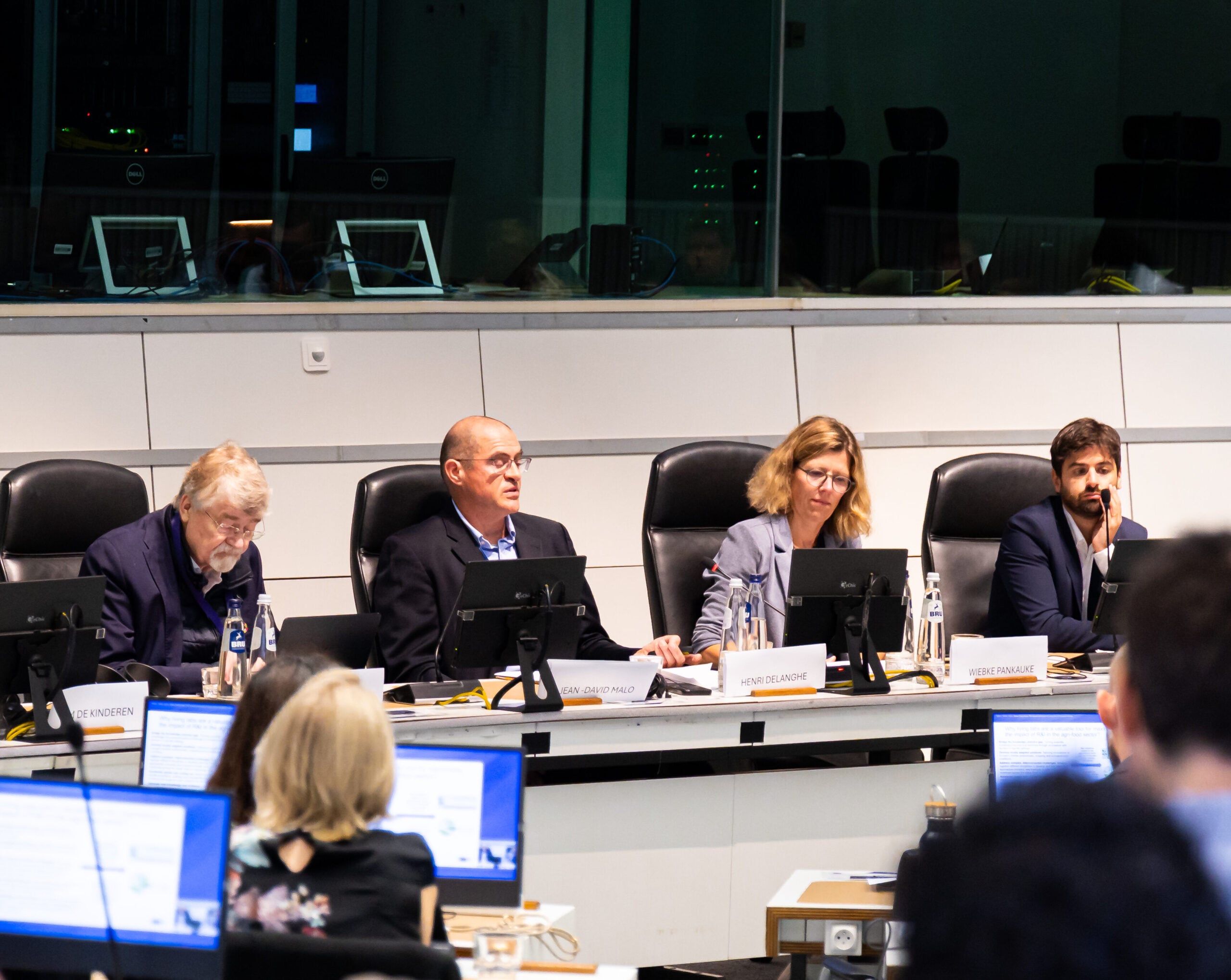
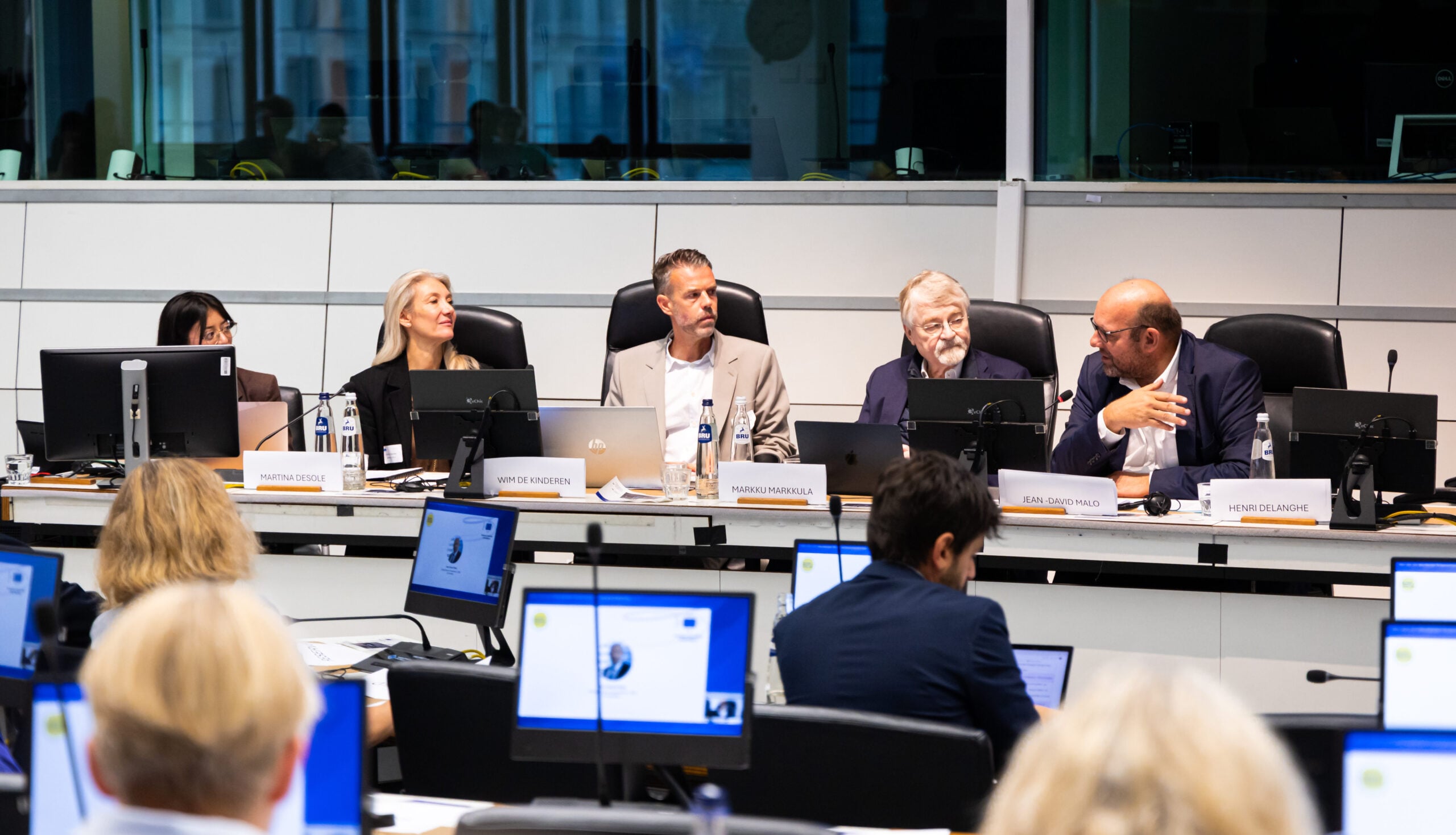
The week began in Brussels with a Policy Event and a dedicated training day on Living Labs, the Learning Lab Day 0. The Policy Event, hosted at the European Committee of the Regions, explored “The Impact and Future of Living Labs for European Policies”. In particular, how Living Labs can contribute to more effective, inclusive and evidence-based European policies, while supporting innovation uptake and sustainable competitiveness. Discussions also looked ahead to future EU priorities and the upcoming Multiannual Financial Framework.
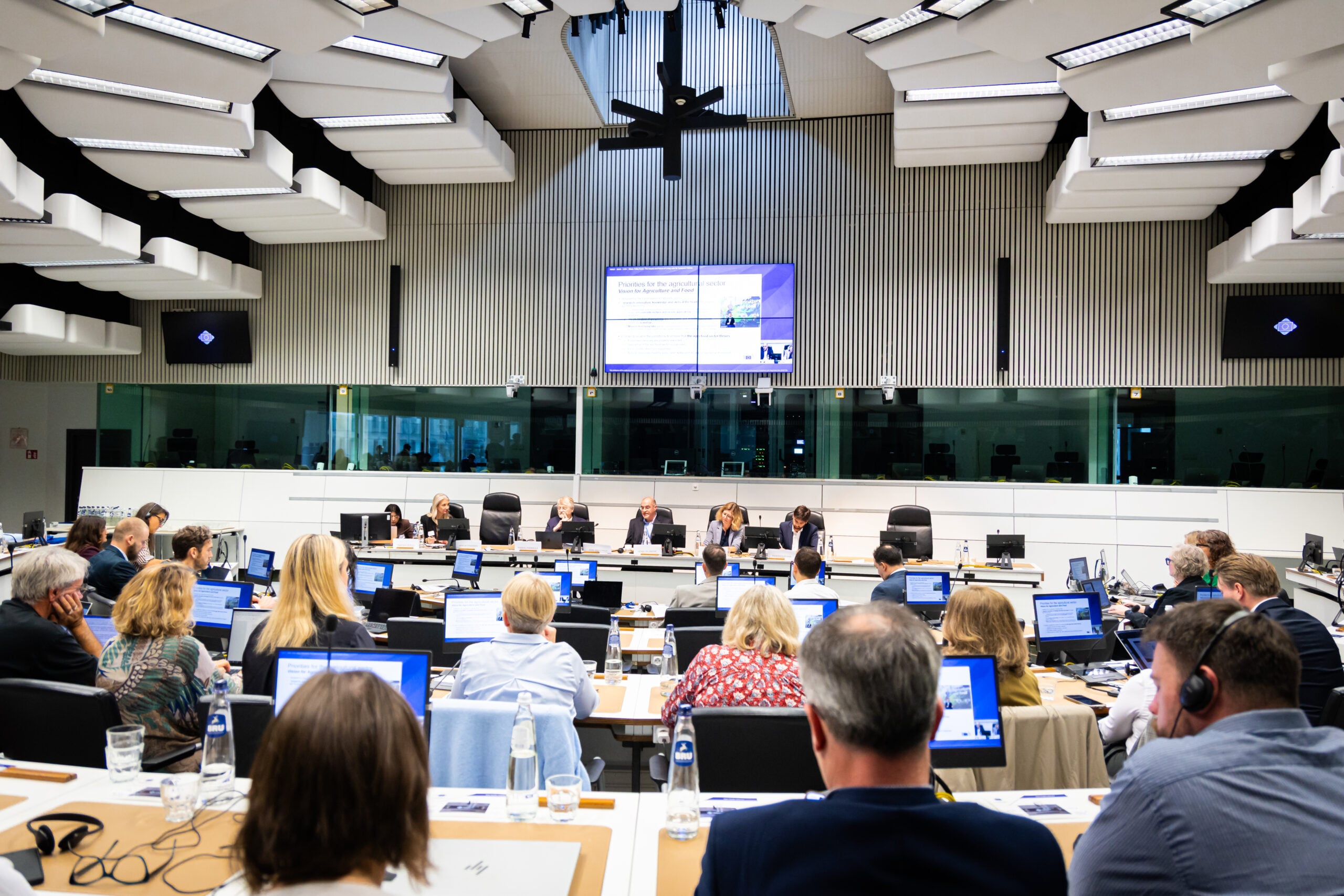
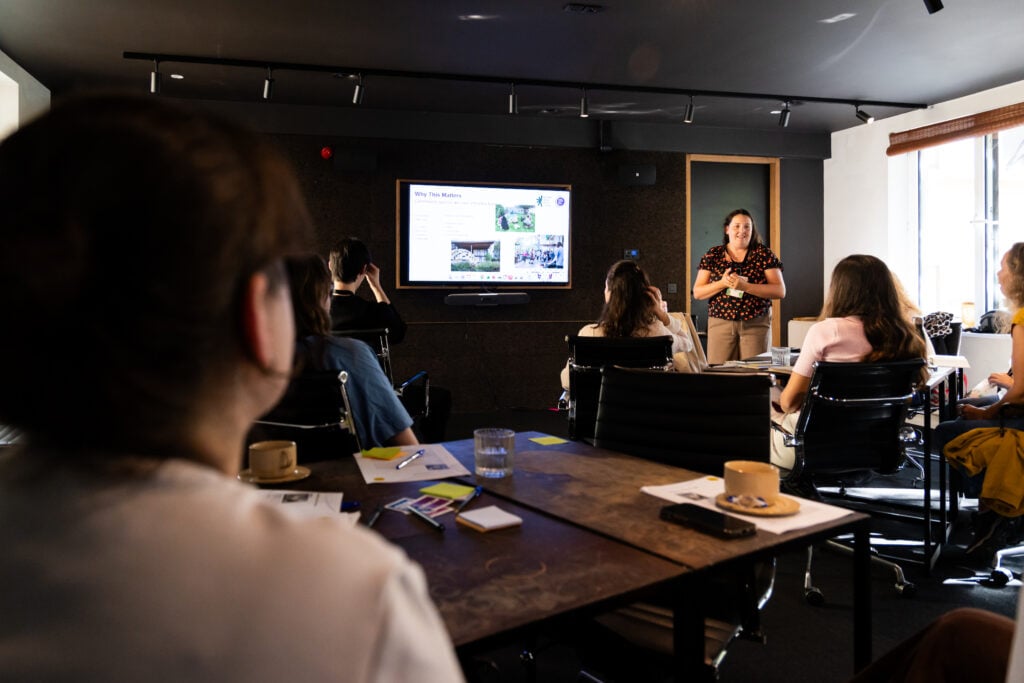
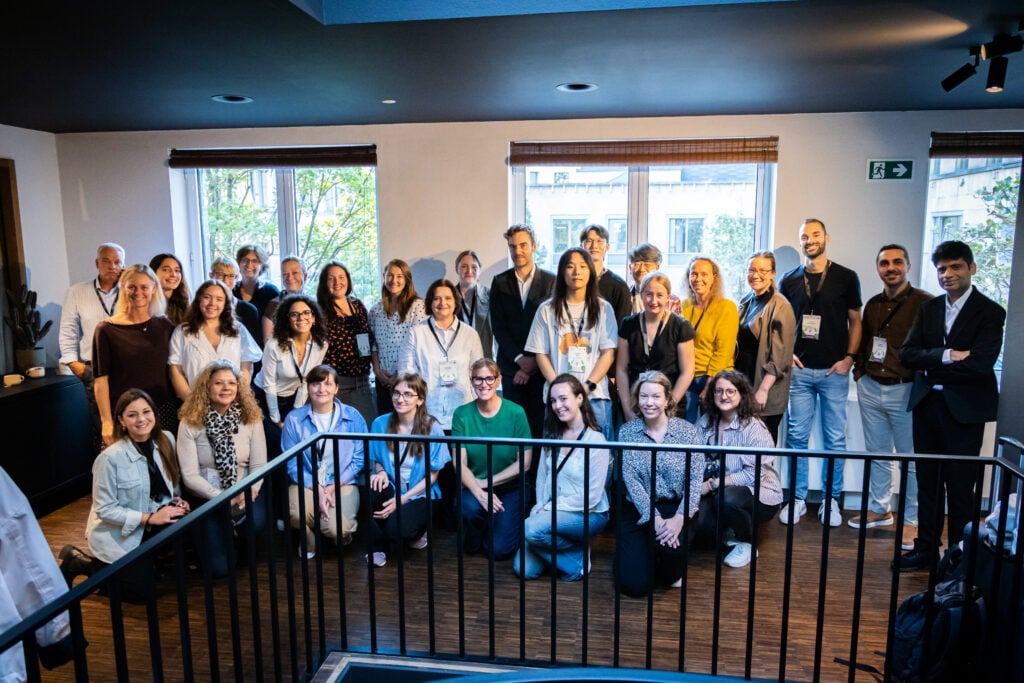
On 29 September 2026, Learning Lab Day 0 brought together newcomers and experienced practitioners in Brussels for a full day of training across two parallel tracks. From Living Lab fundamentals in the Basic Track to evaluation, inclusion, ethics and impact in the Intermediate Track, participants combined theory, real-life cases and hands-on exercises to strengthen their own Living Lab practice. Find out more here.
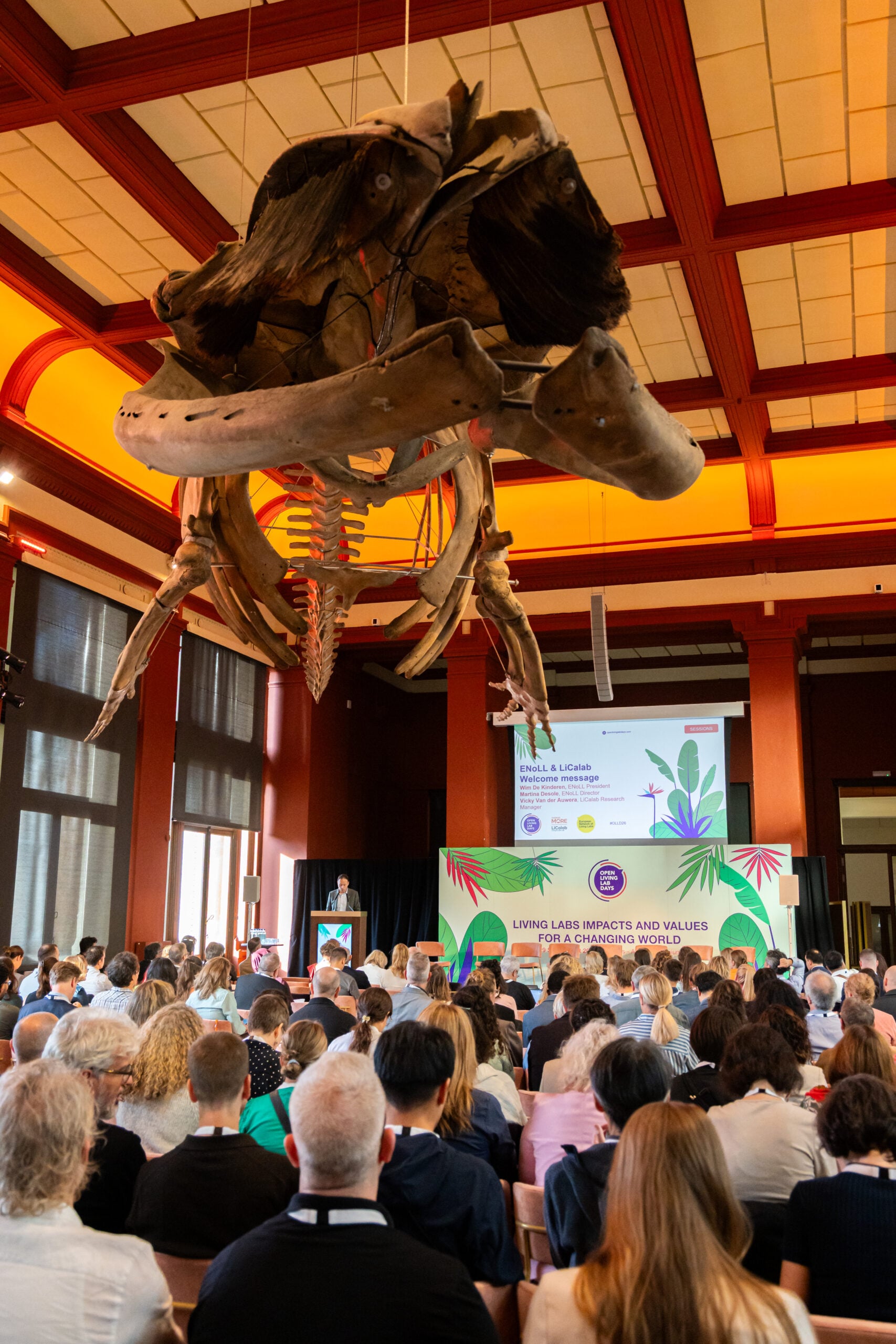
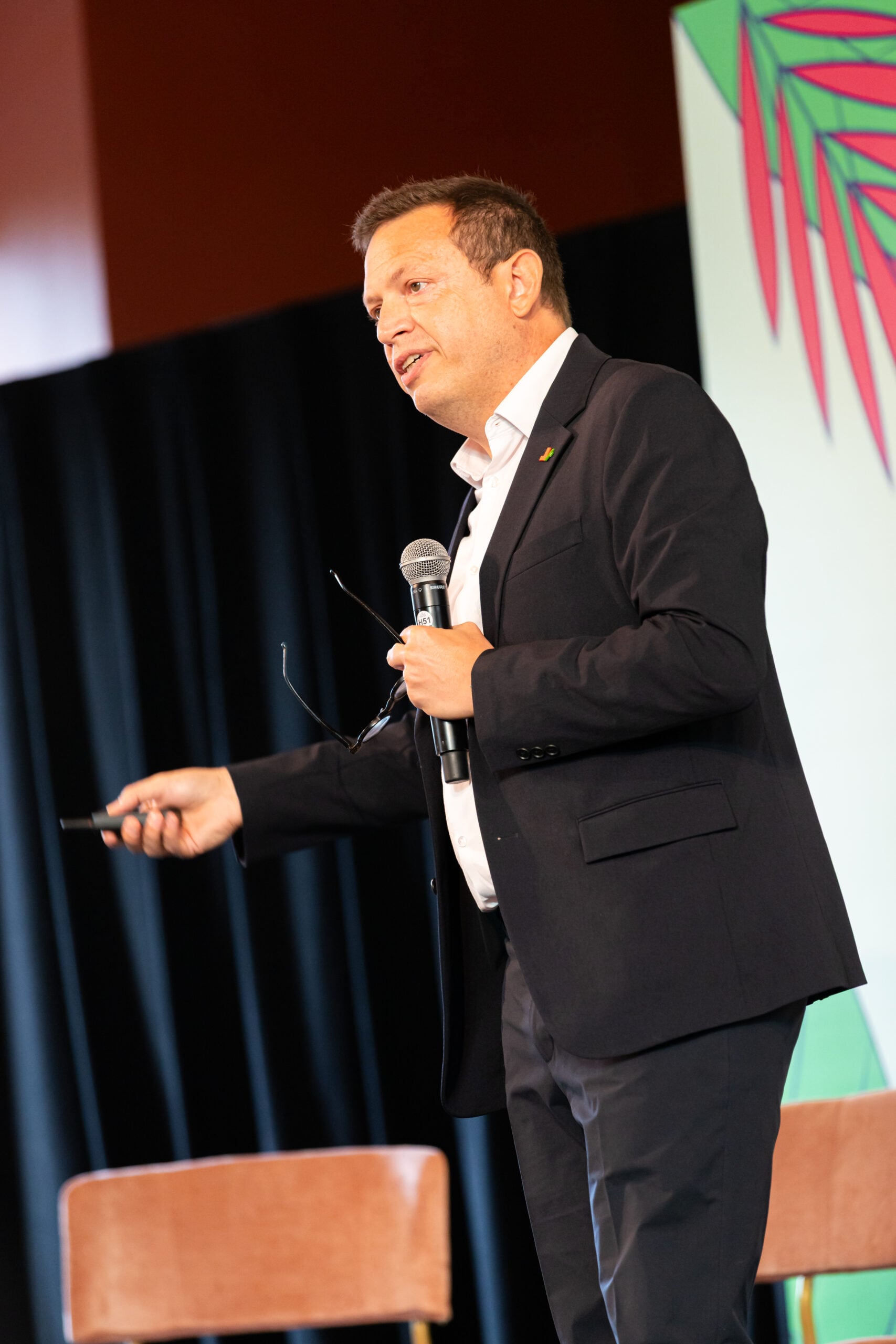
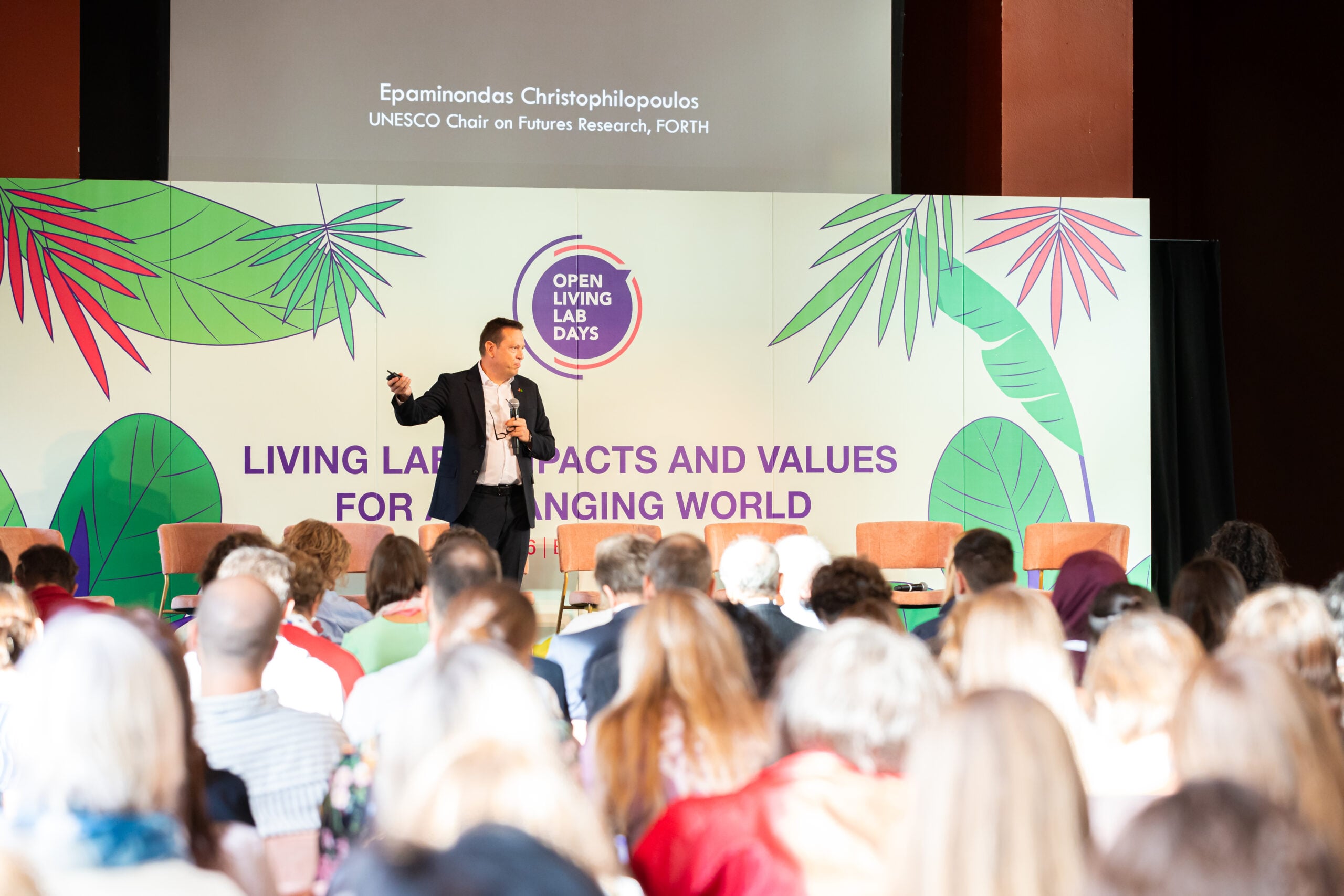
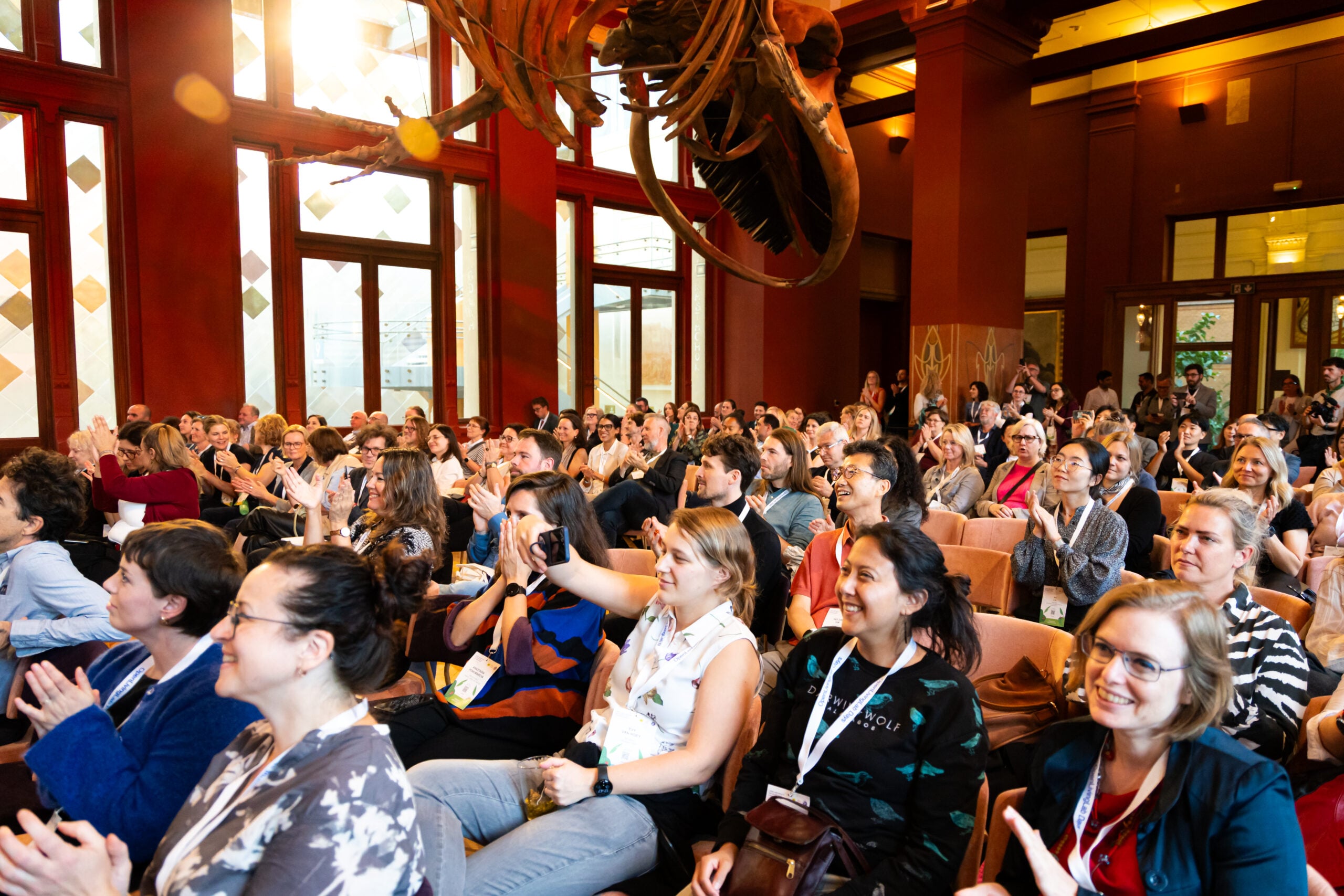
From Brussels, the conference moved to Antwerp’s emblematic Room with a ZOO. Keynote speaker Epaminondas Christophilopoulos, Chairholder of the UNESCO Chair on Futures Research, opened the conference inviting the community to consider how foresight can help us navigate uncertainty, identify emerging signals and drivers of change, challenge assumptions and explore alternative futures.
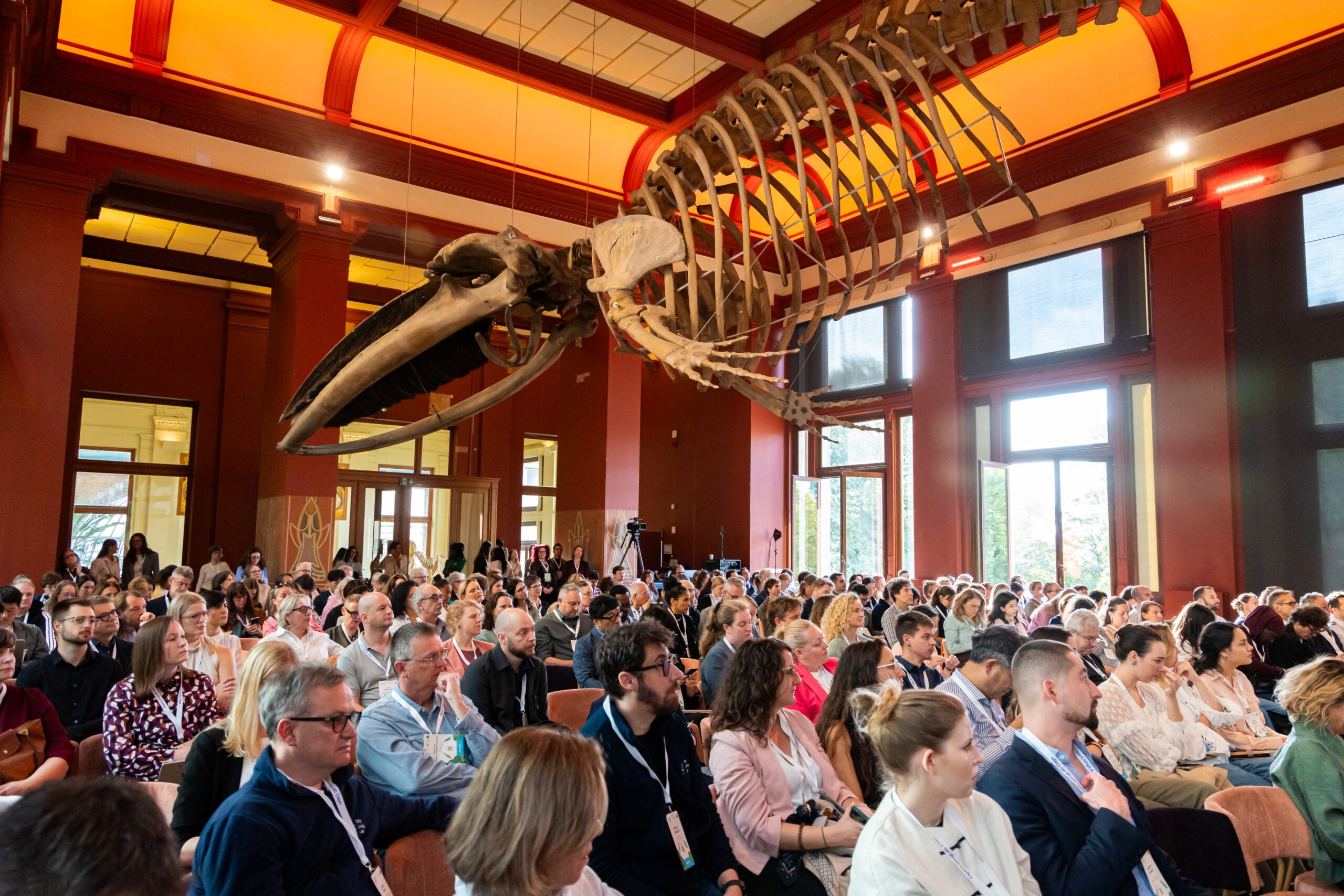
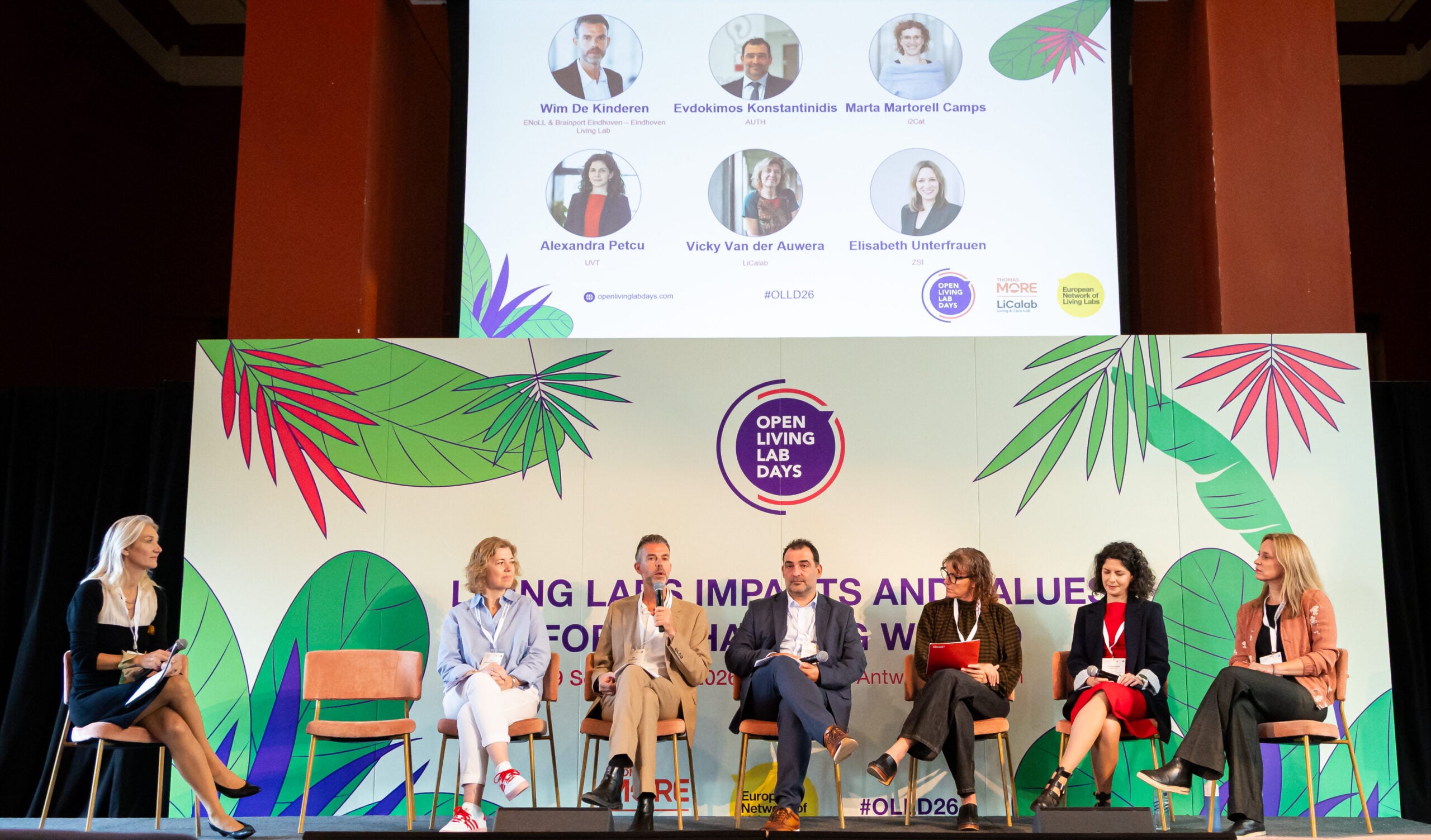
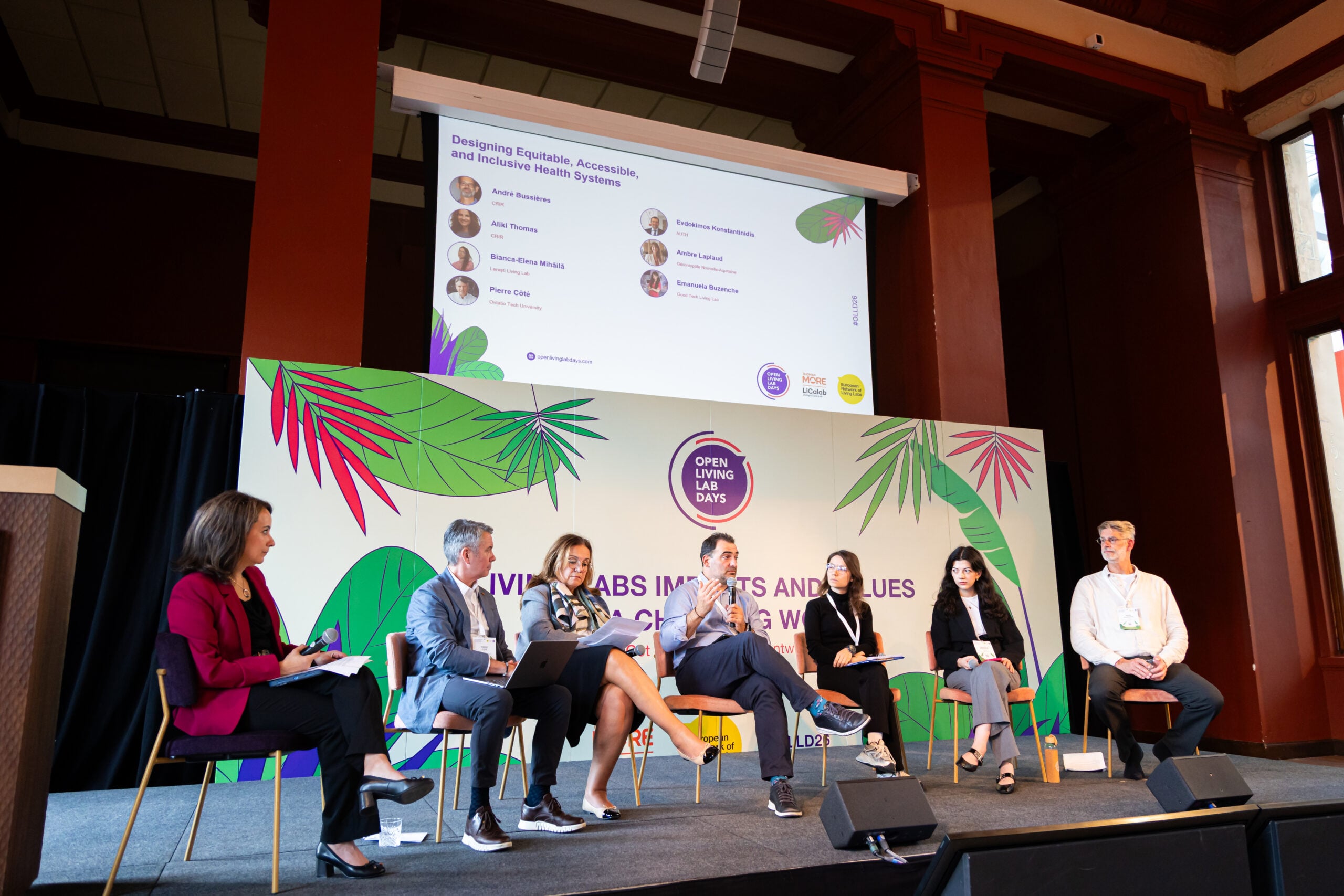
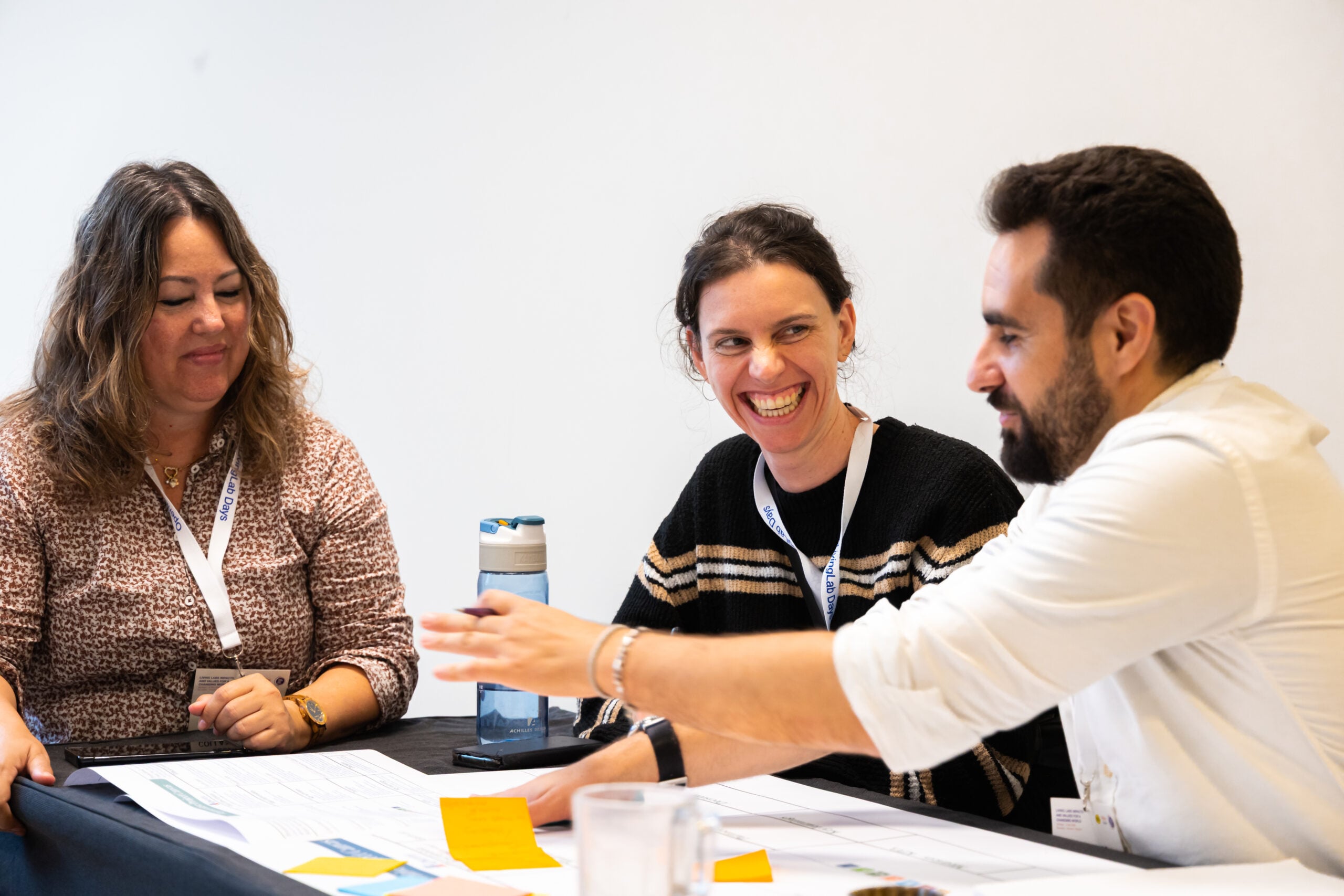
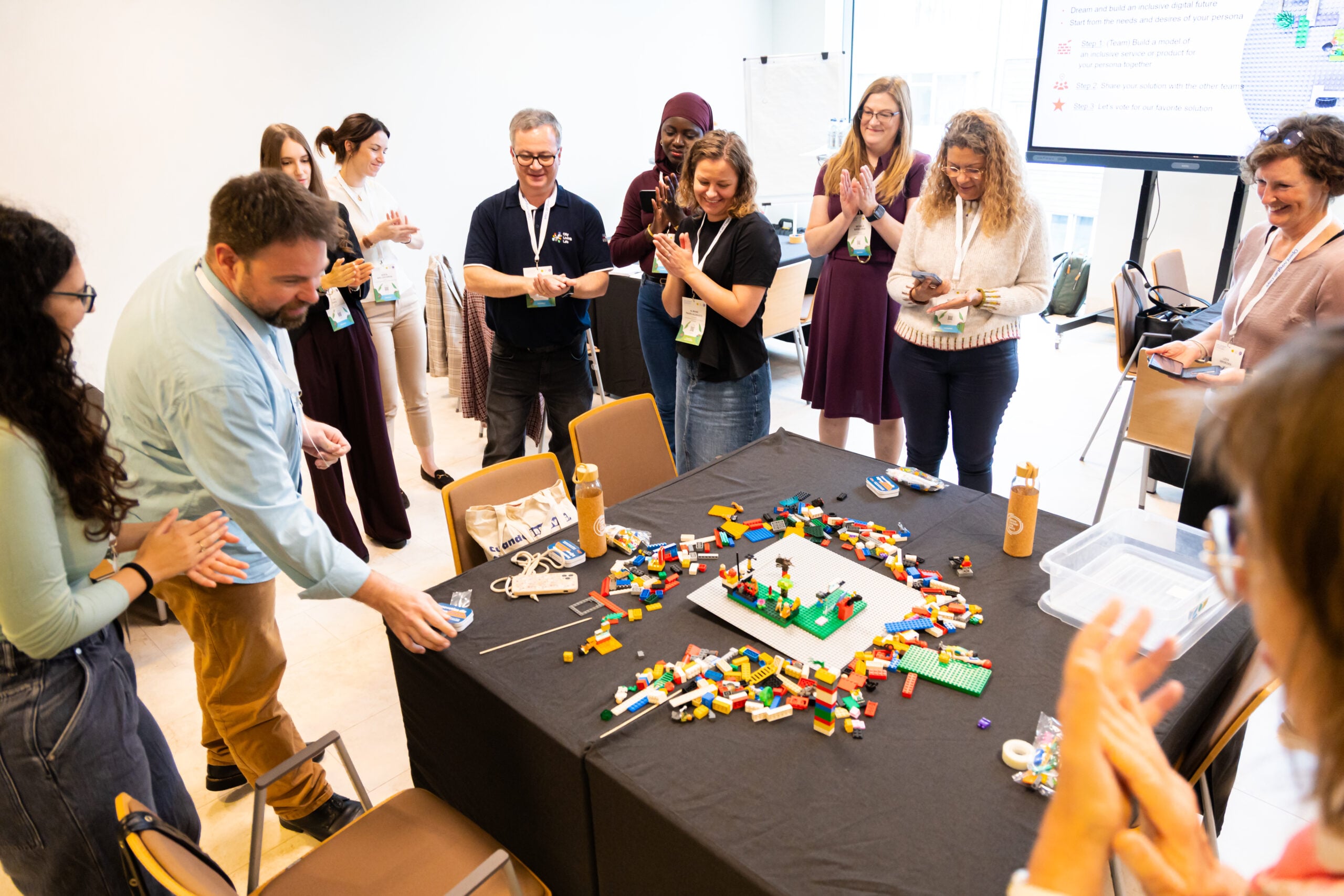
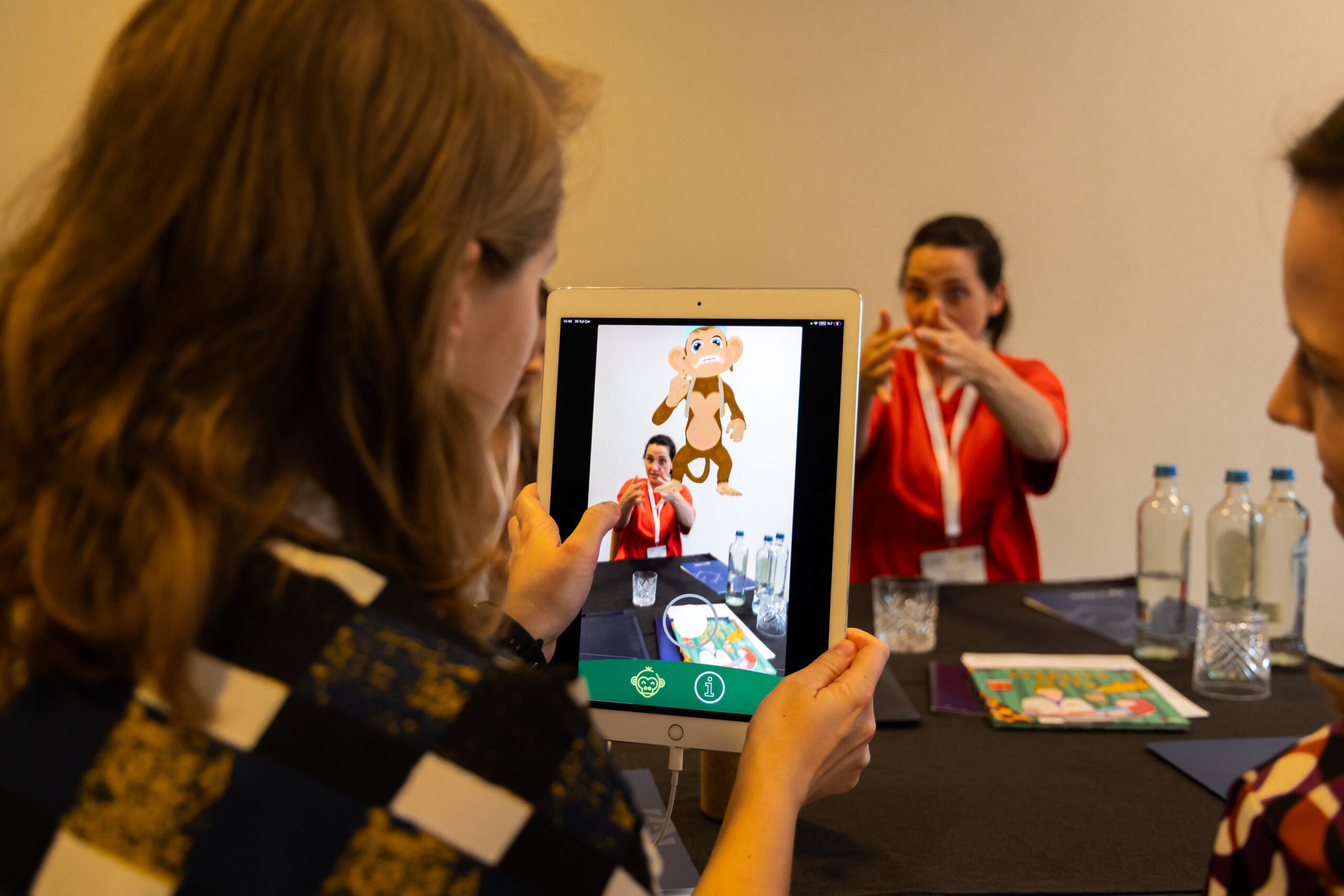
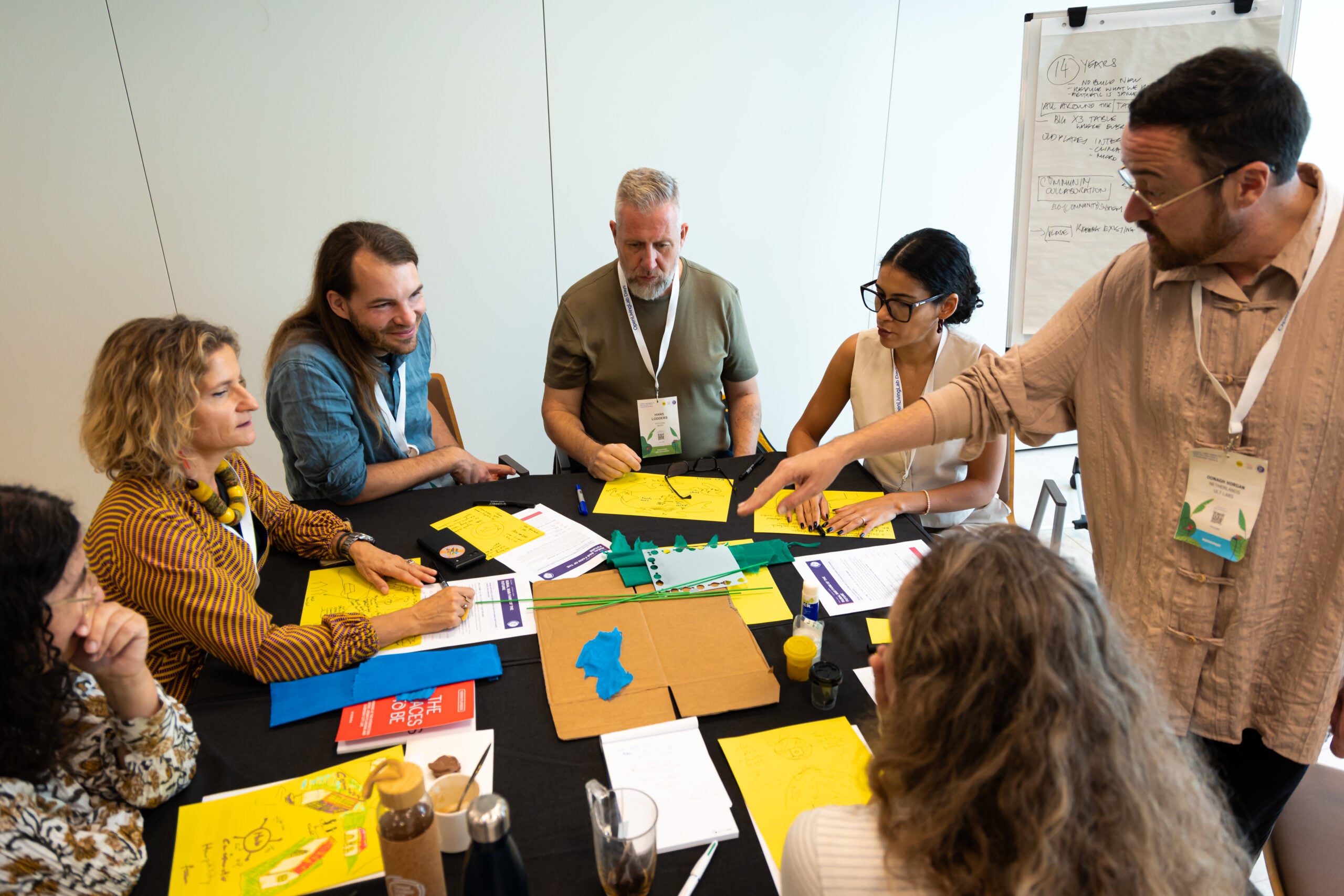
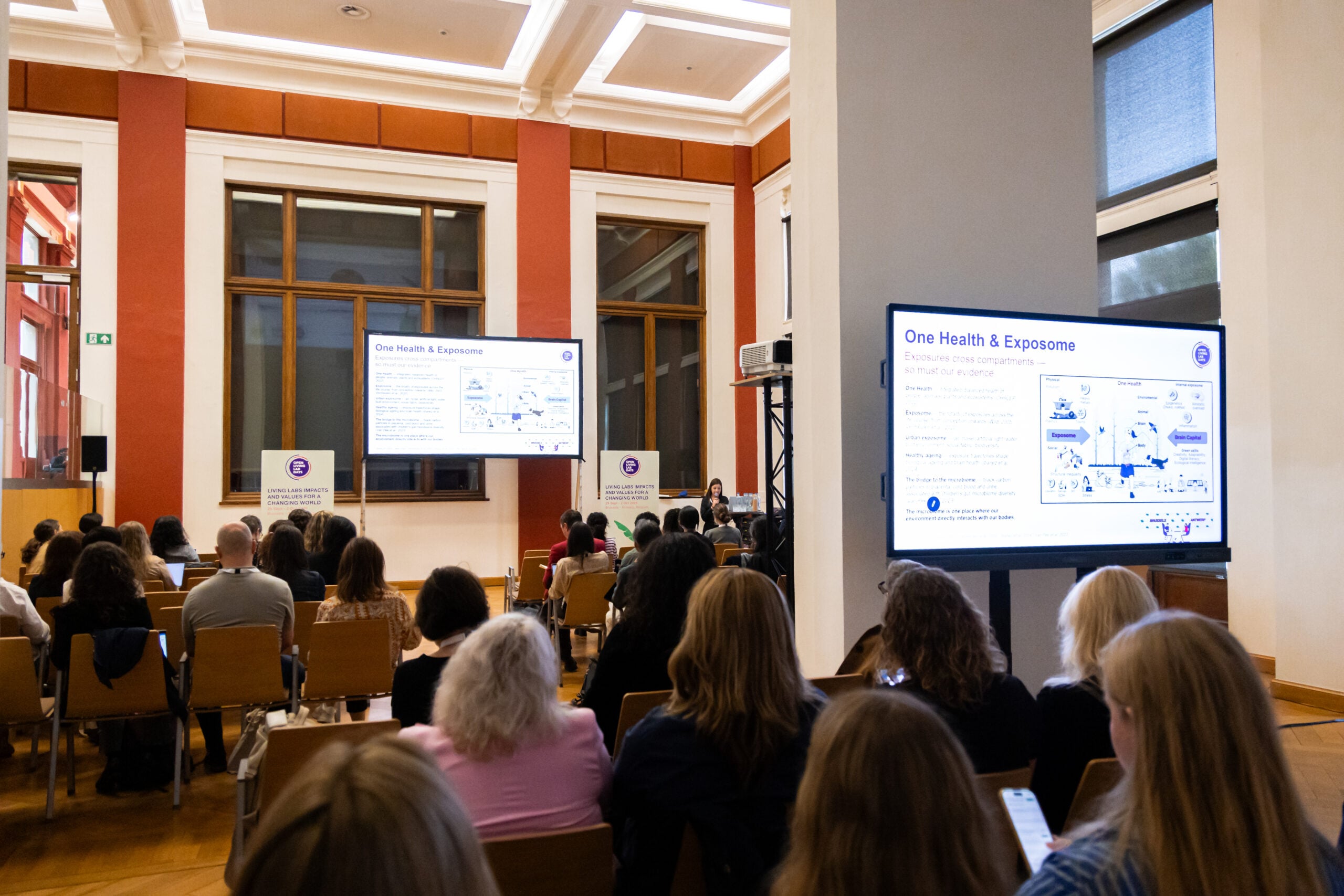
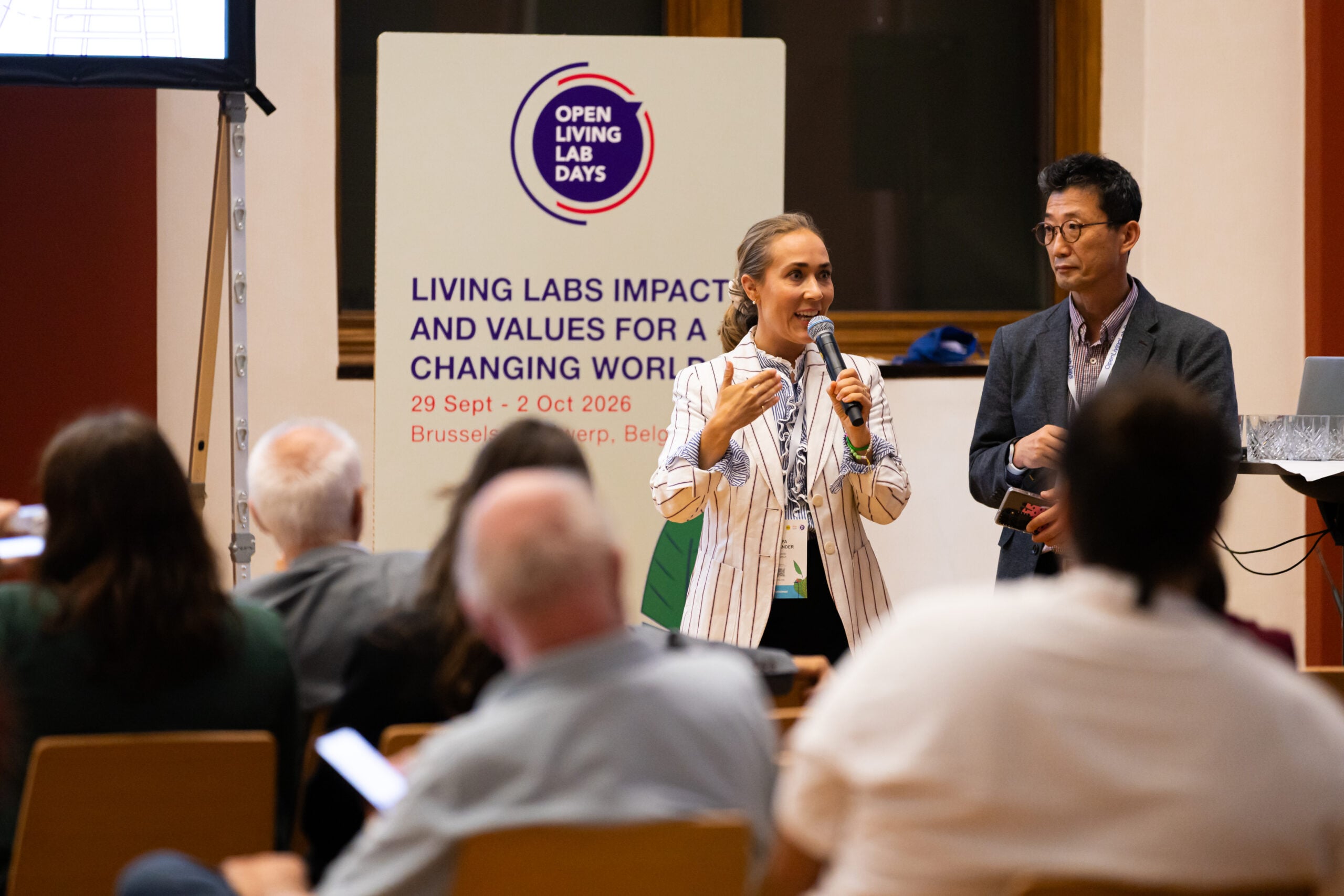
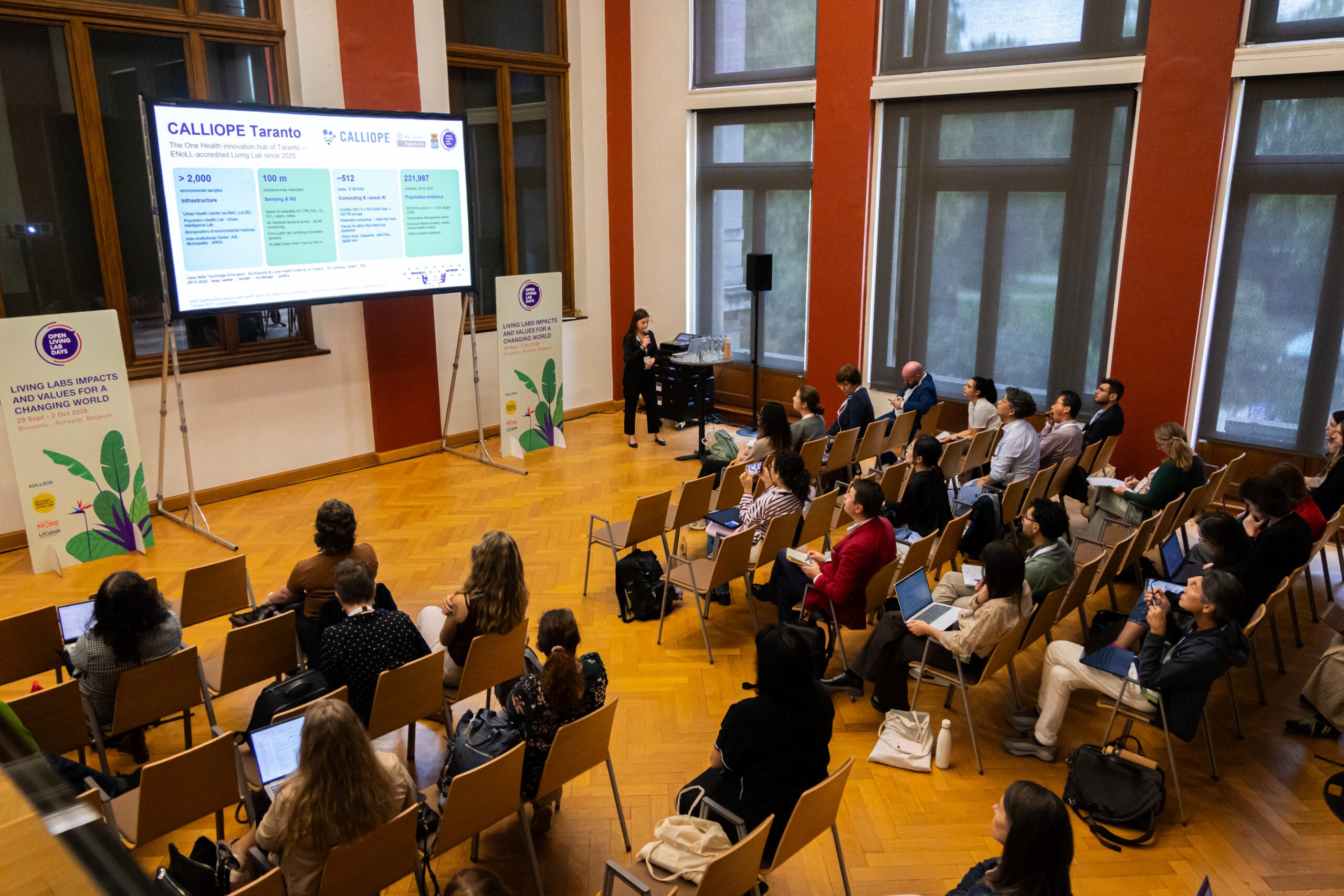
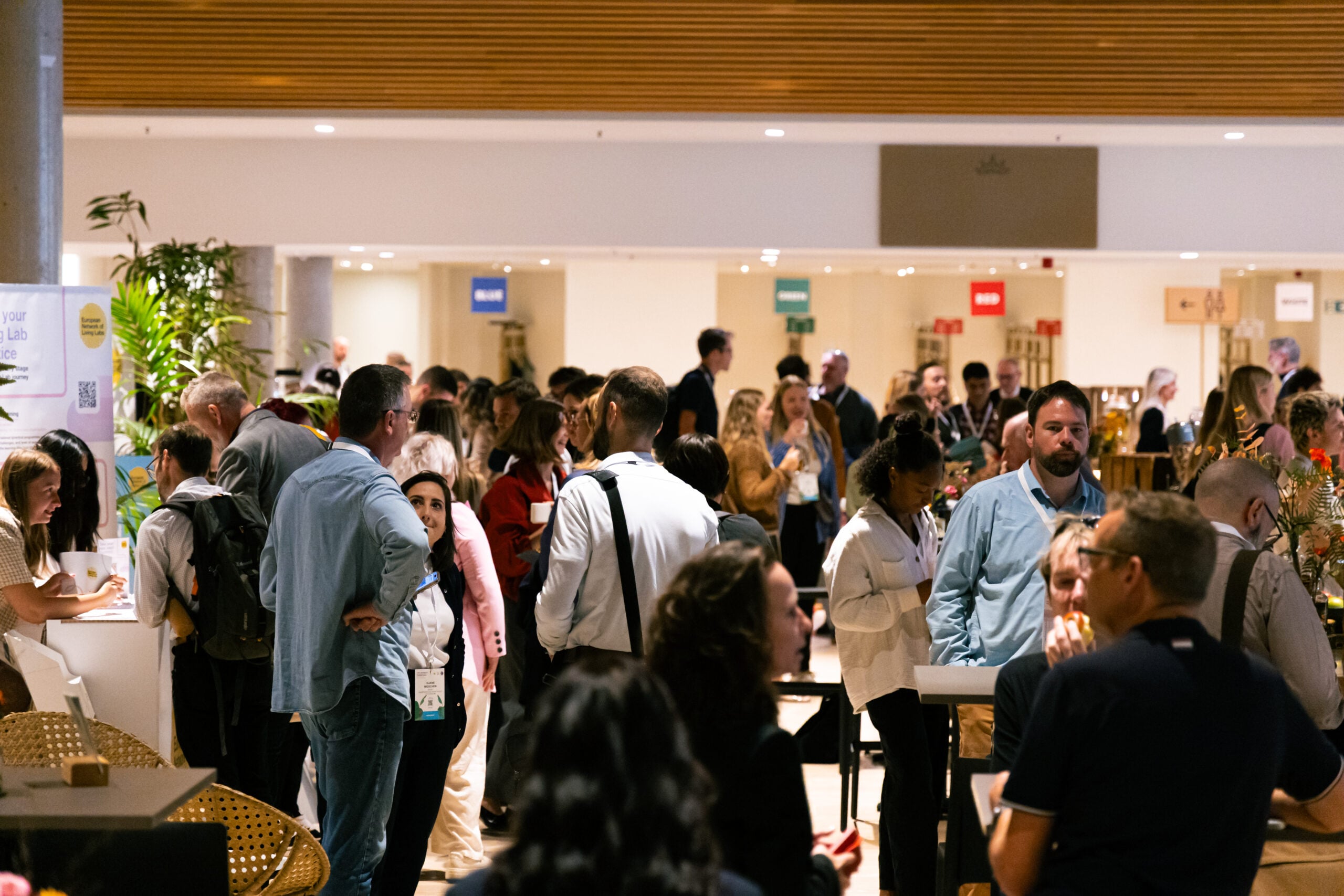
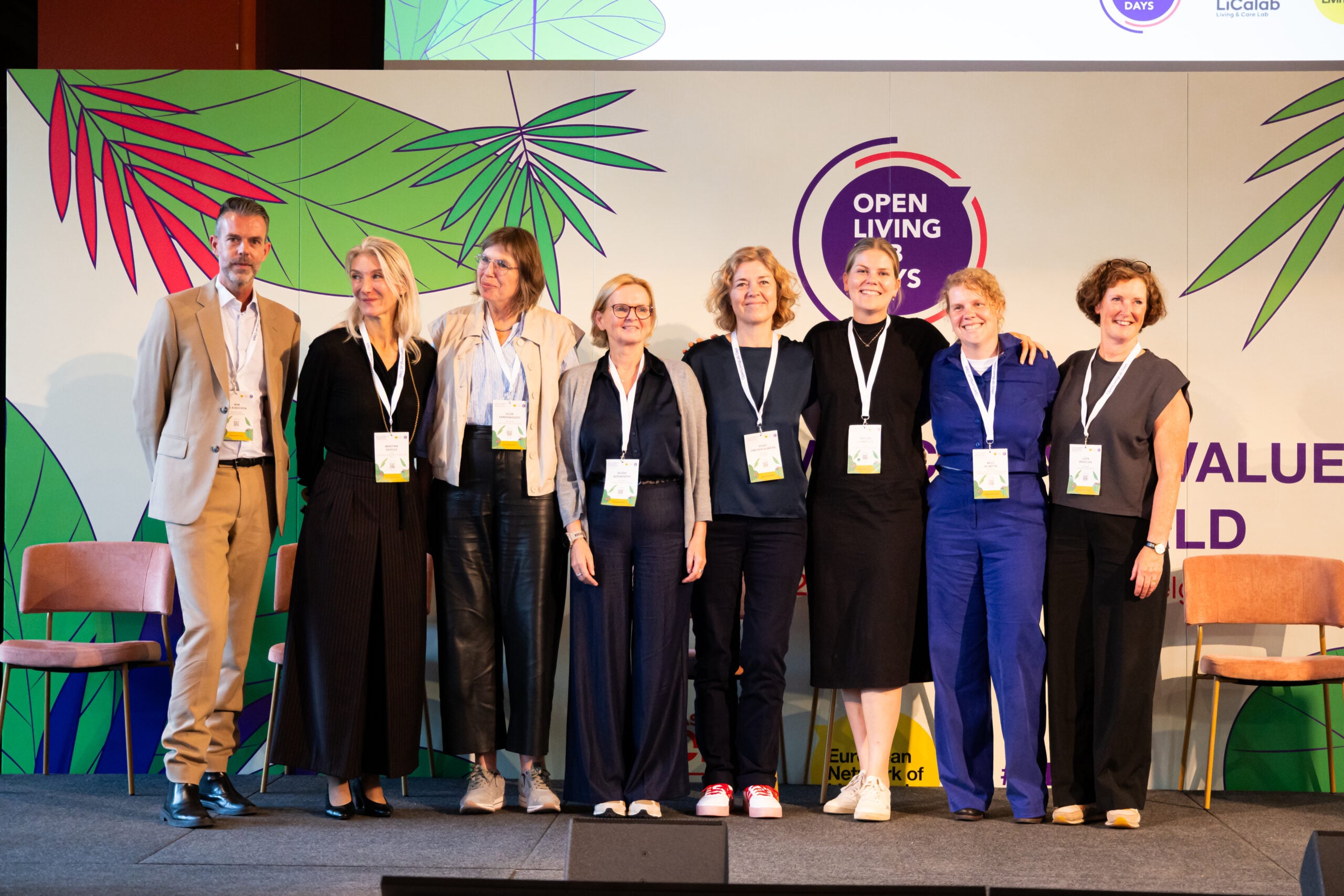
A diverse programme allowed participants to shape their own conference experience. At each time slot, they could choose from up to 7 different parallel sessions. In addition, networking activities during the breaks and an exhibition area complemented the programme. Across 17 panel sessions, experts examined complex issues from multiple angles. These experts had different backgrounds, experiences and perspectives. Moreover, they brought the audience into the discussion. Meanwhile, 20 hands-on workshops created opportunities to explore methods and exchange experiences. They also offered a chance to work together on questions that matter to Living Lab practice today.
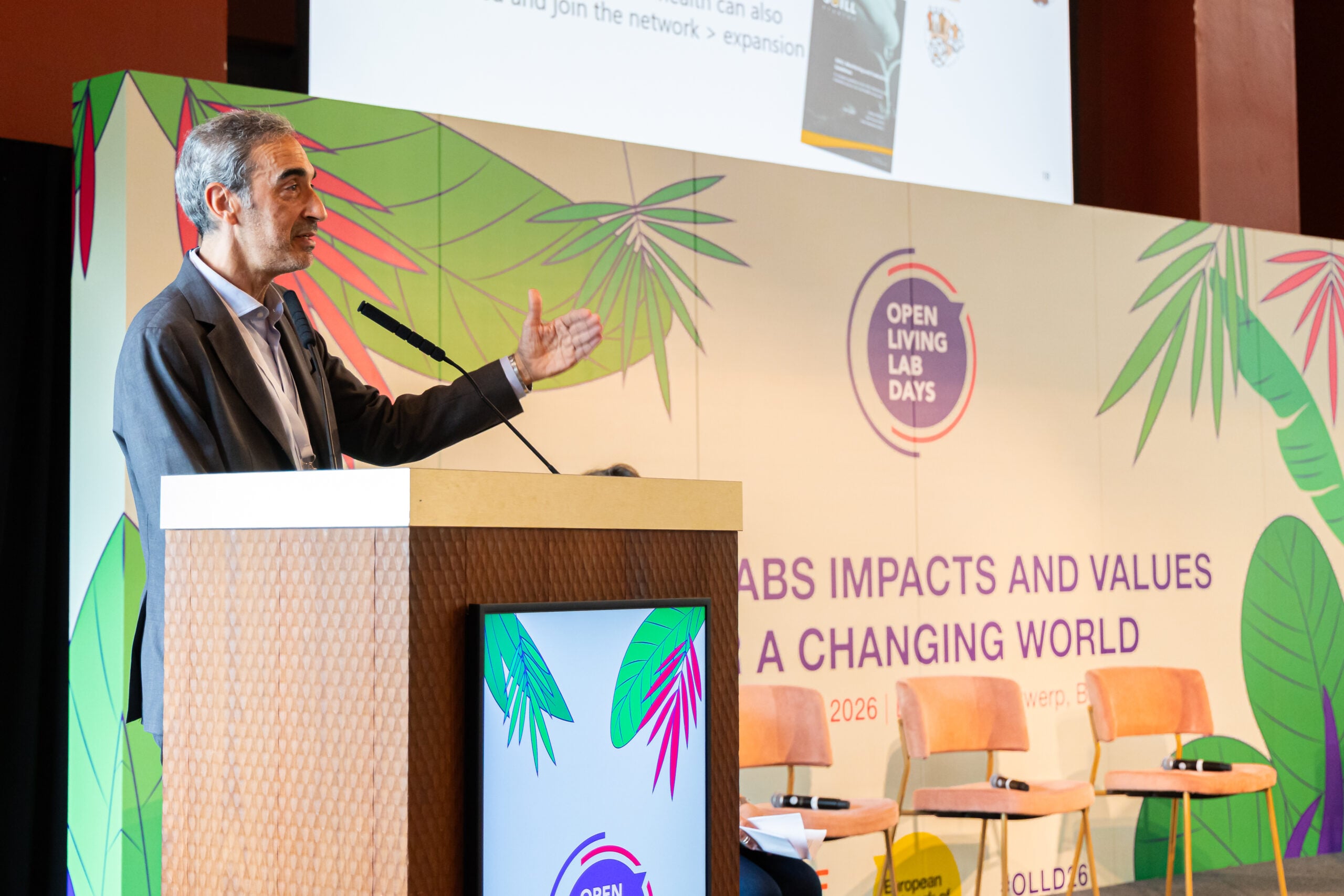
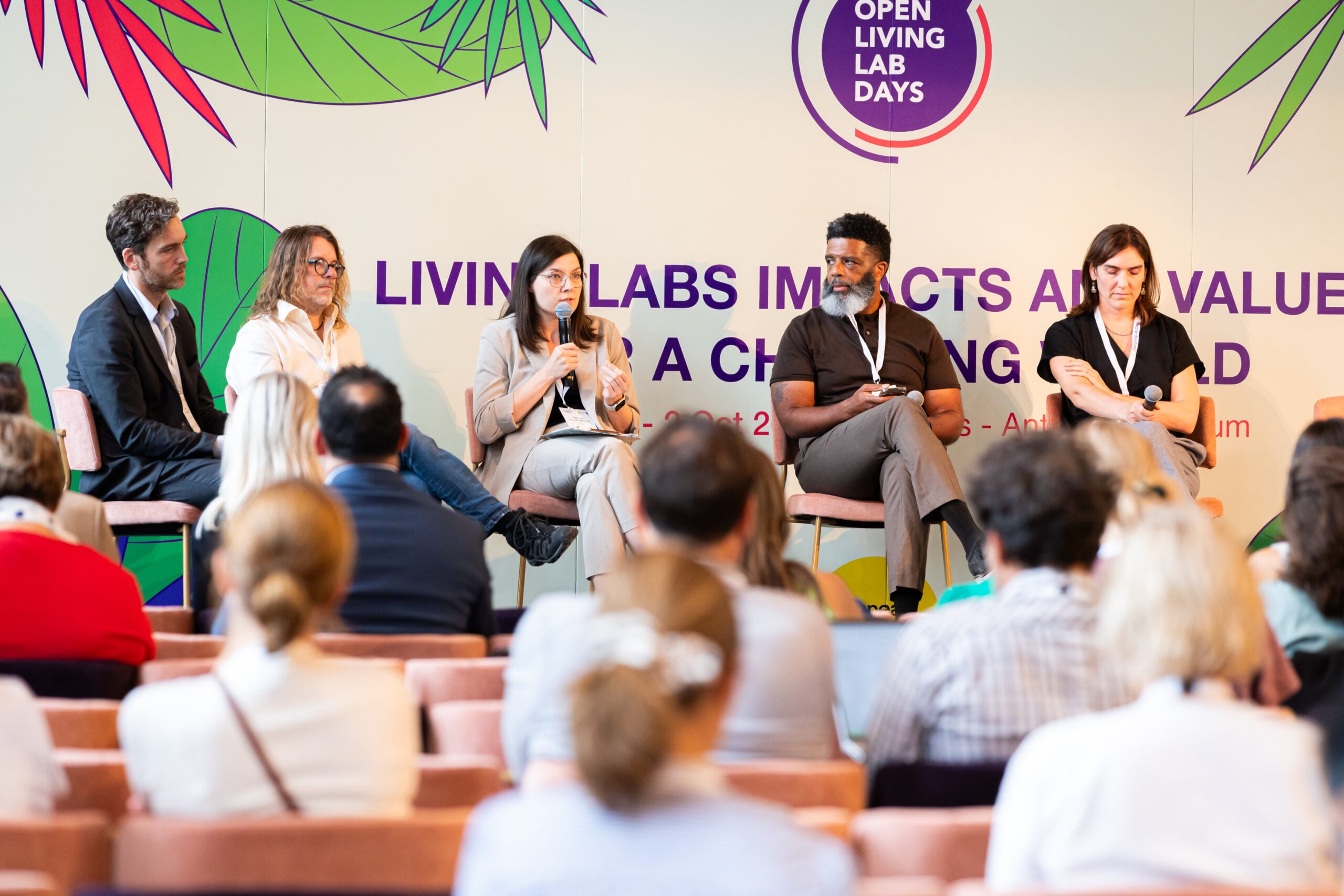
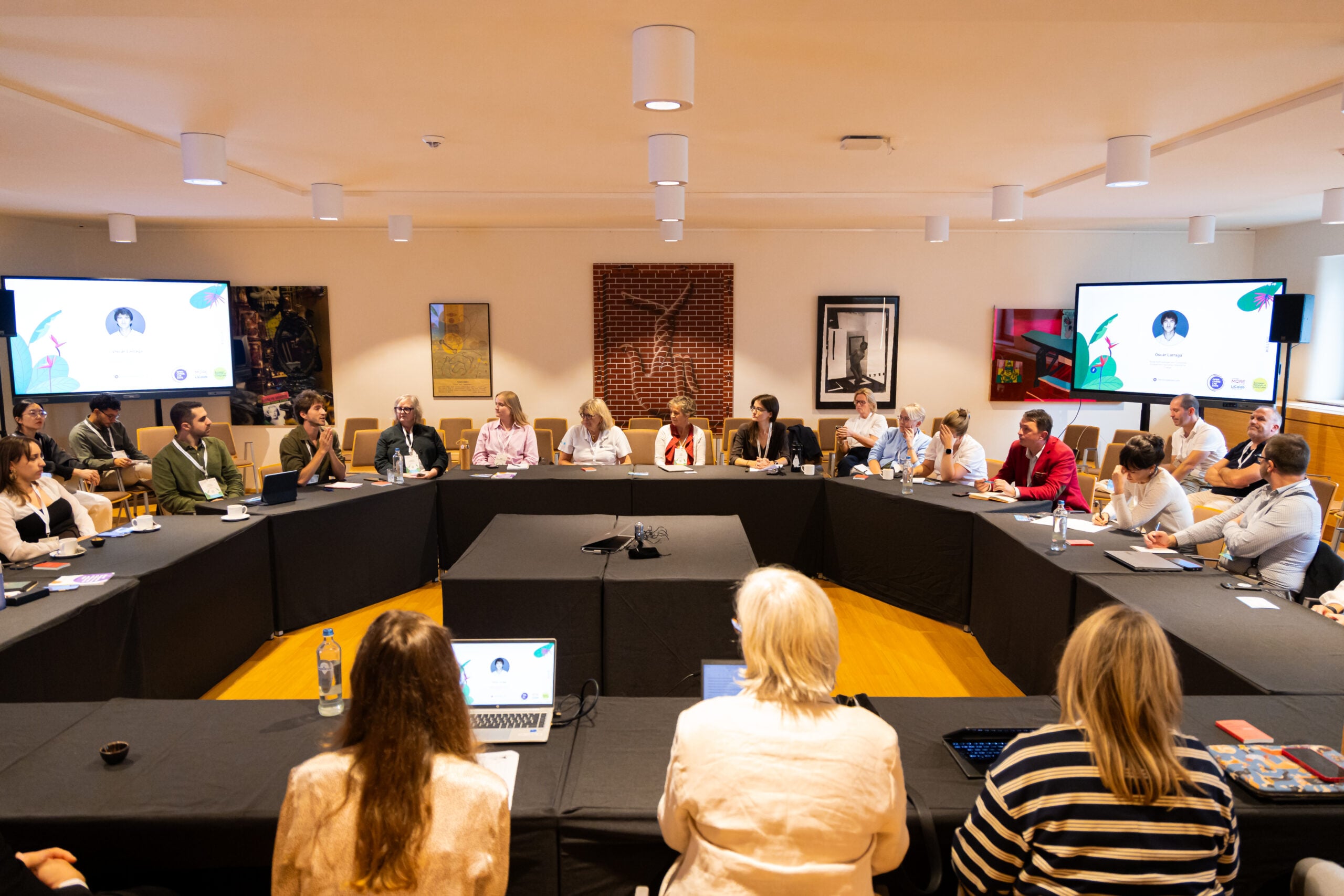
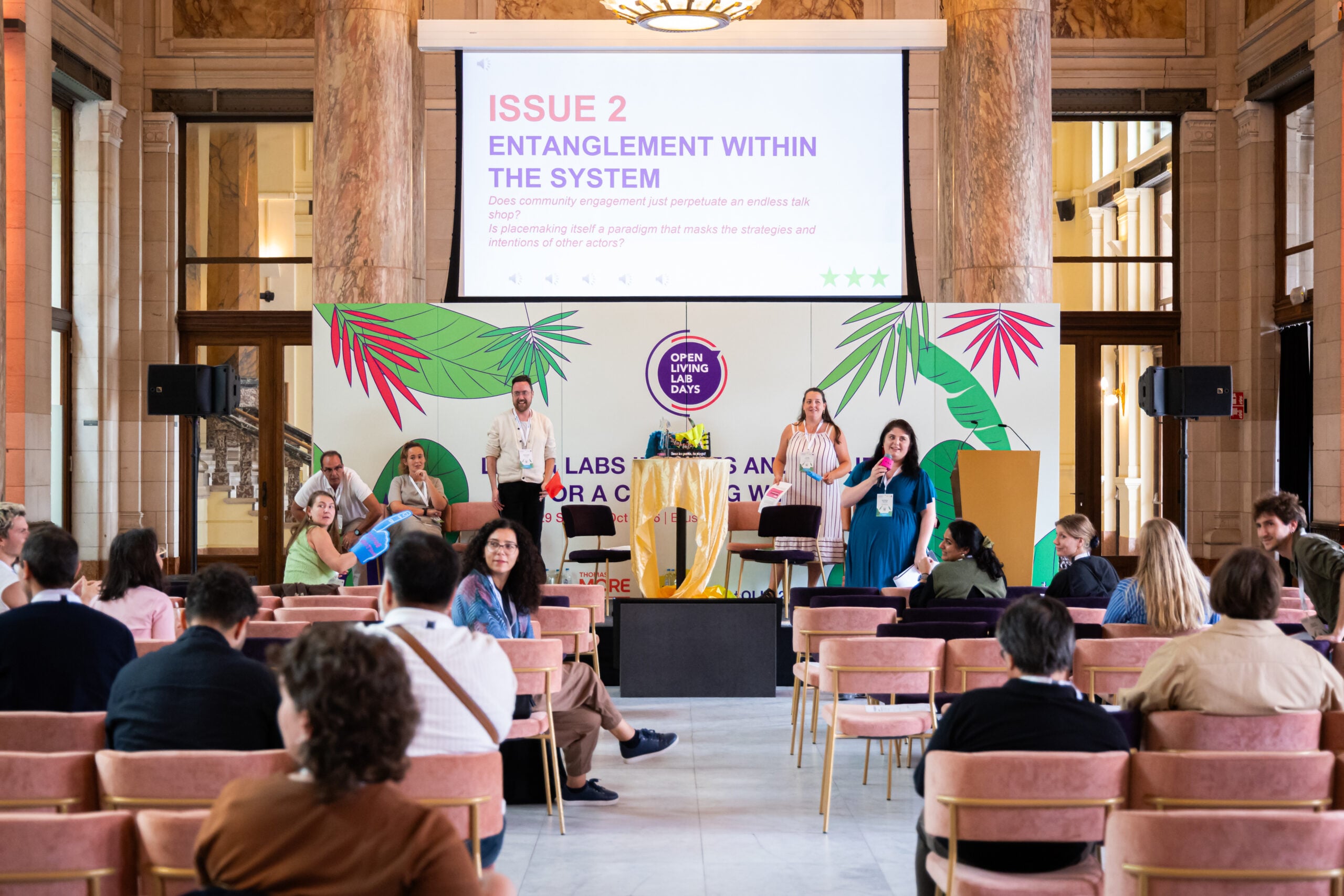
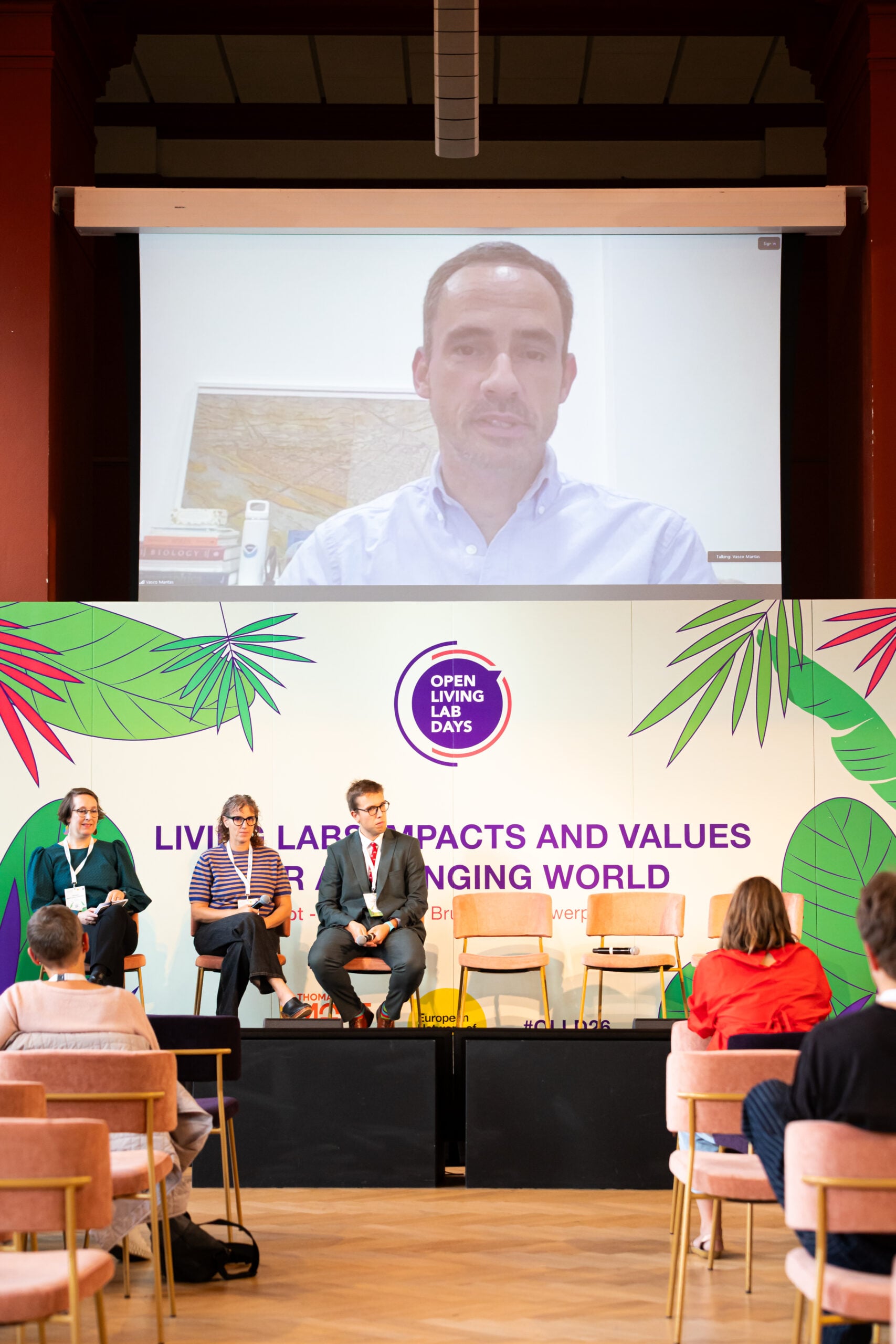
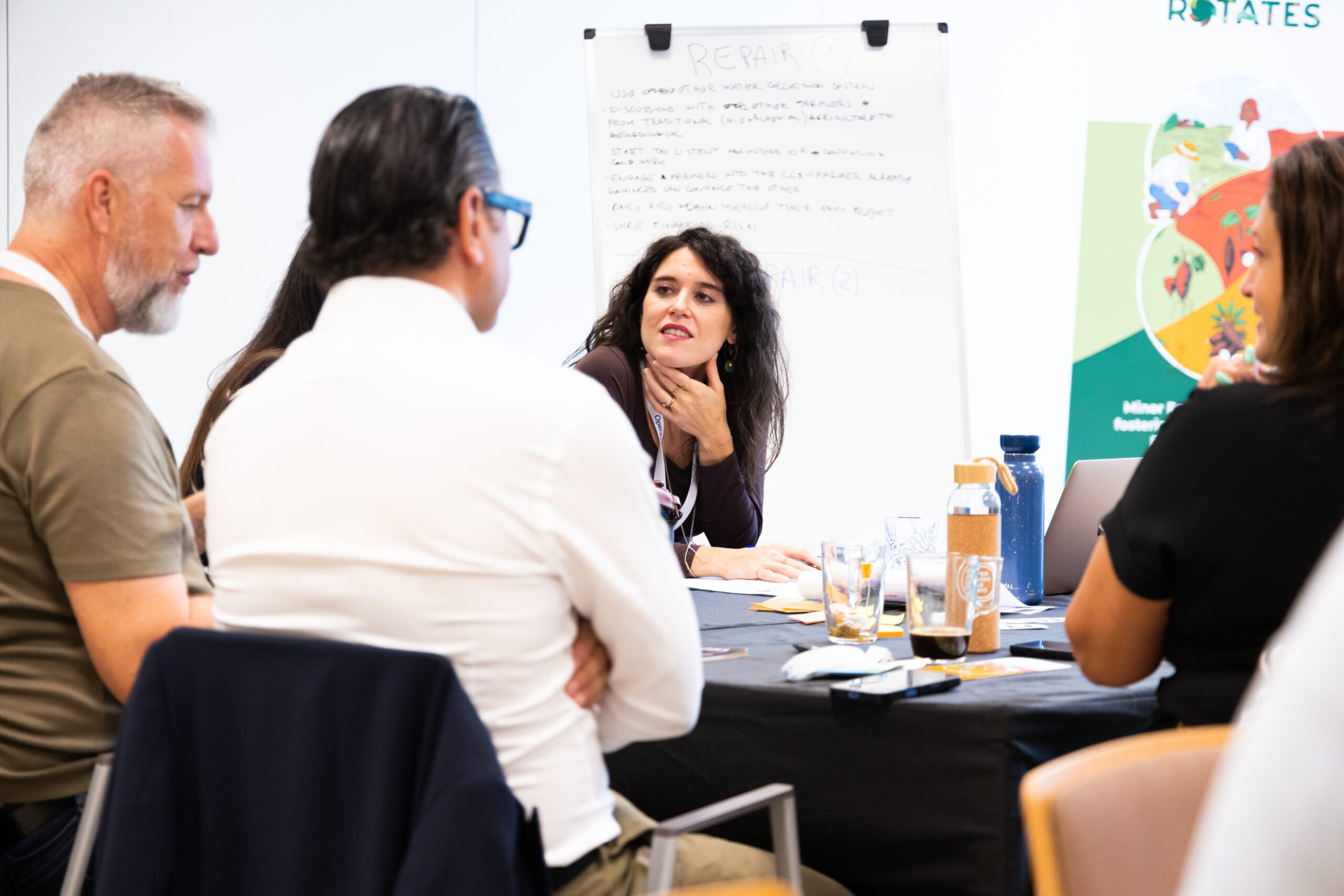
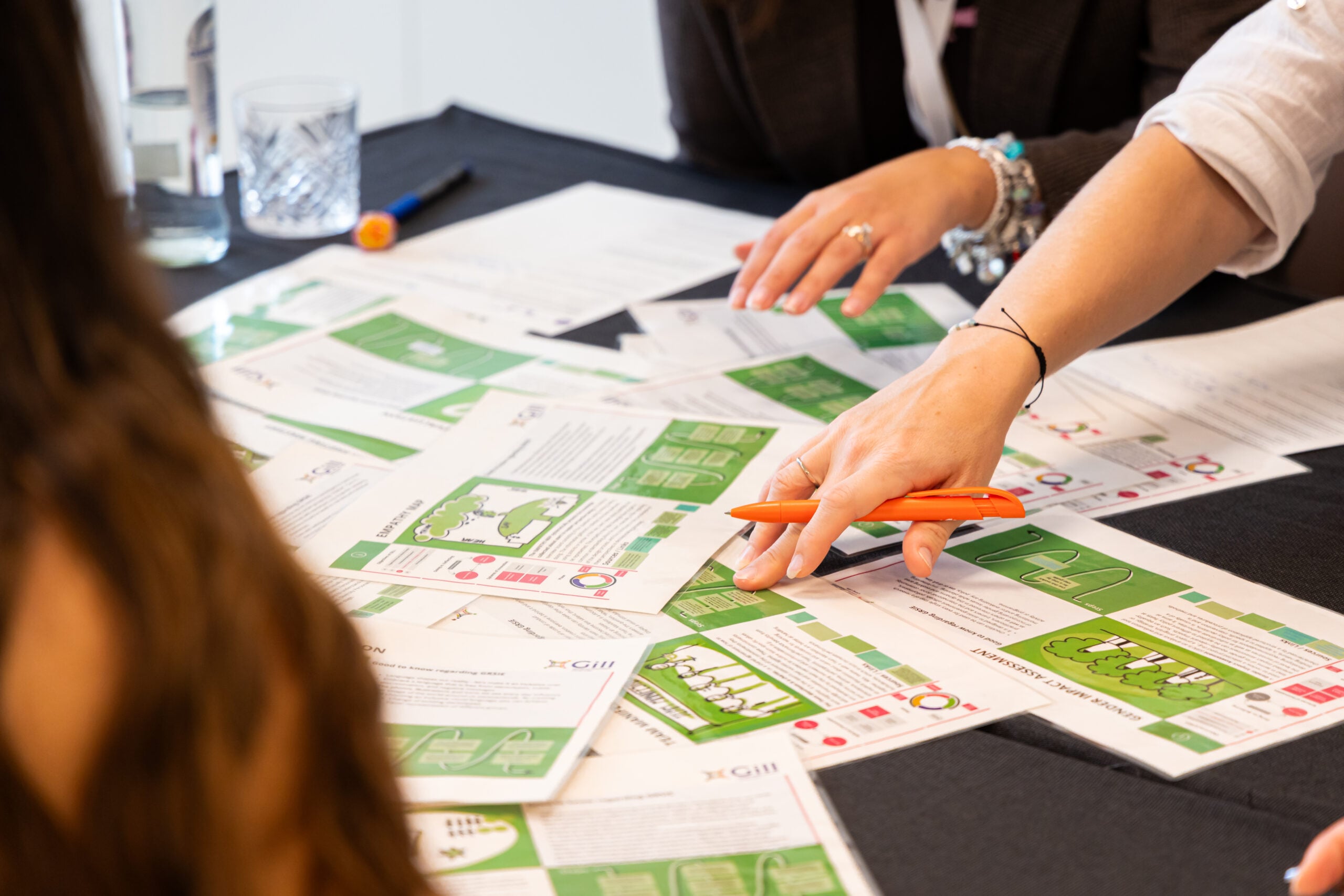
Research remained at the heart of the conference. Since the very first edition, research on Living Labs has played a central role in the event. At that time, OpenLivingLab Days was still called the “ENoLL Summer School”. Over the years, this component has diversified and grown in both quantity and quality. This year, 42 research presentations were delivered across 7 dedicated sessions, alongside 19 research posters.
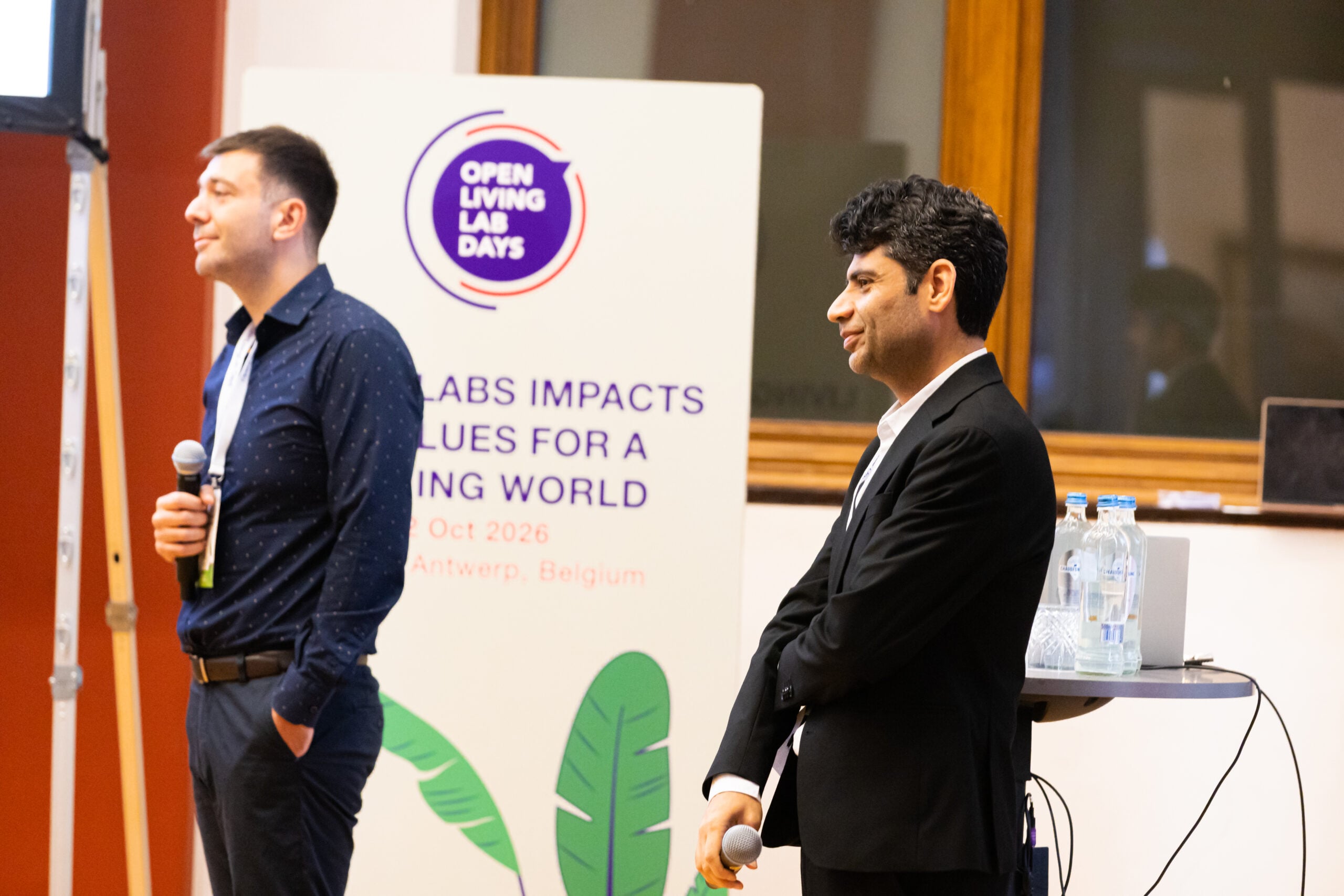
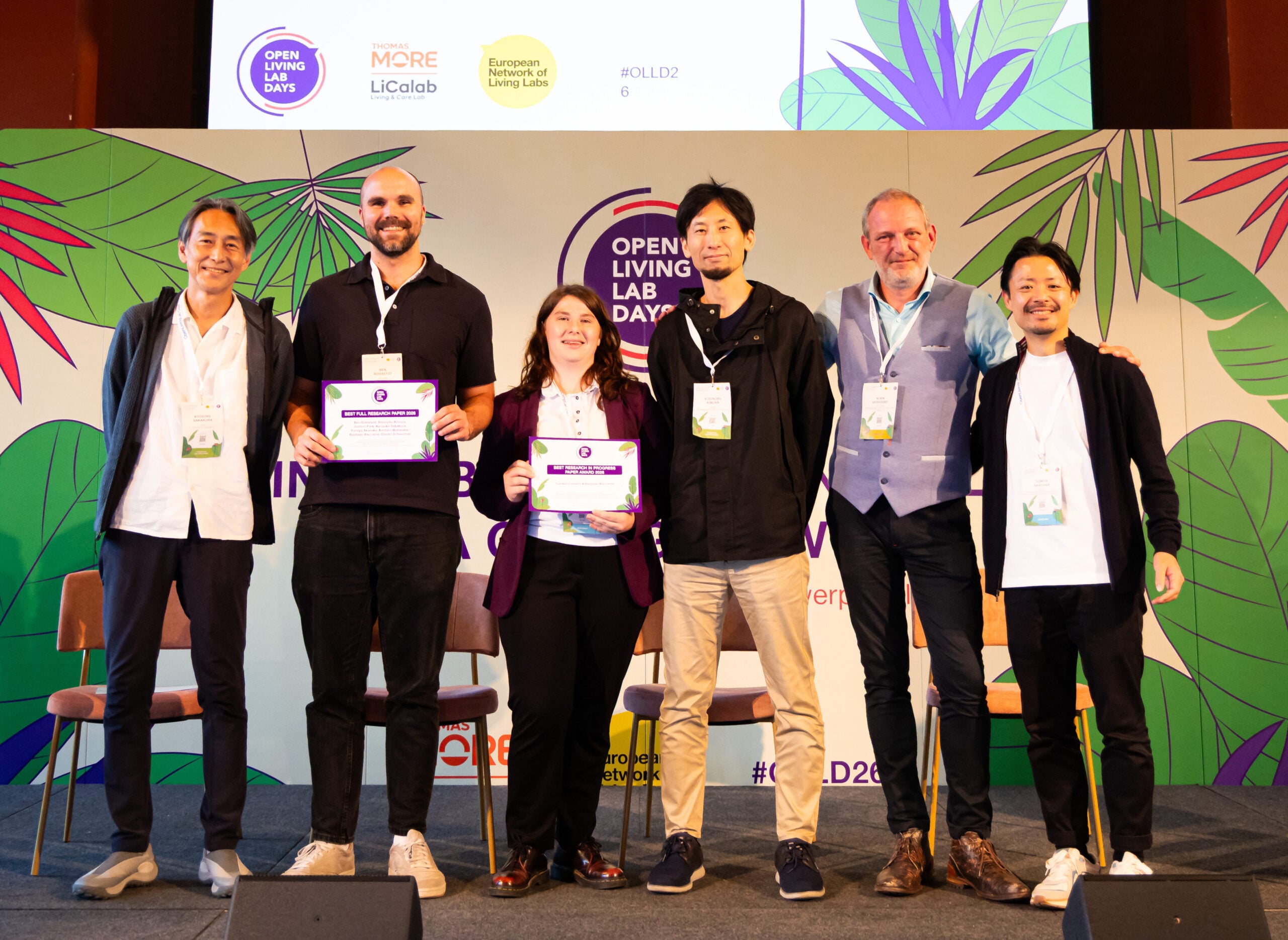
The closing ceremony celebrated research excellence with the following awards:
Full Research Paper Award: “Comparing contexts, comparing impact: A Meta-comparative case study of Living Lab impact assessment” by Ben Robaeyst, Atsunobu Kimura, Joohoo Park, Kyosuke Sakakura, Fumiya Akasaka, Kentaro Watanabe, Bastiaan Baccarne and Dimitri Schuurman.
Research in Progress Paper Award: “Identifying ‘Recipes’ for successful implementation: A comparative fsQCA of technology acceptance determinants in healthcare Living Labs” by Soetkin Cornelis and Bastiaan Baccarne.
Innovation Presentation Award: “From farm to family: A five-country Living Lab federation as constitutive infrastructure for one health microbiome science in the OneHealthOme project” by Feliciana Catino, Roberta Zupo, Luisa Lampignano, Fabio Stefano Castellana, Anna Moles, Angelo Santino and Rodolfo Sardone.
Best Public Presentation Award: “Where Impact Actually Happens: Ethnographic Assessment in Living Labs” by Melania Mihalcea, Vaike Fors and Gregor Cerinšek.
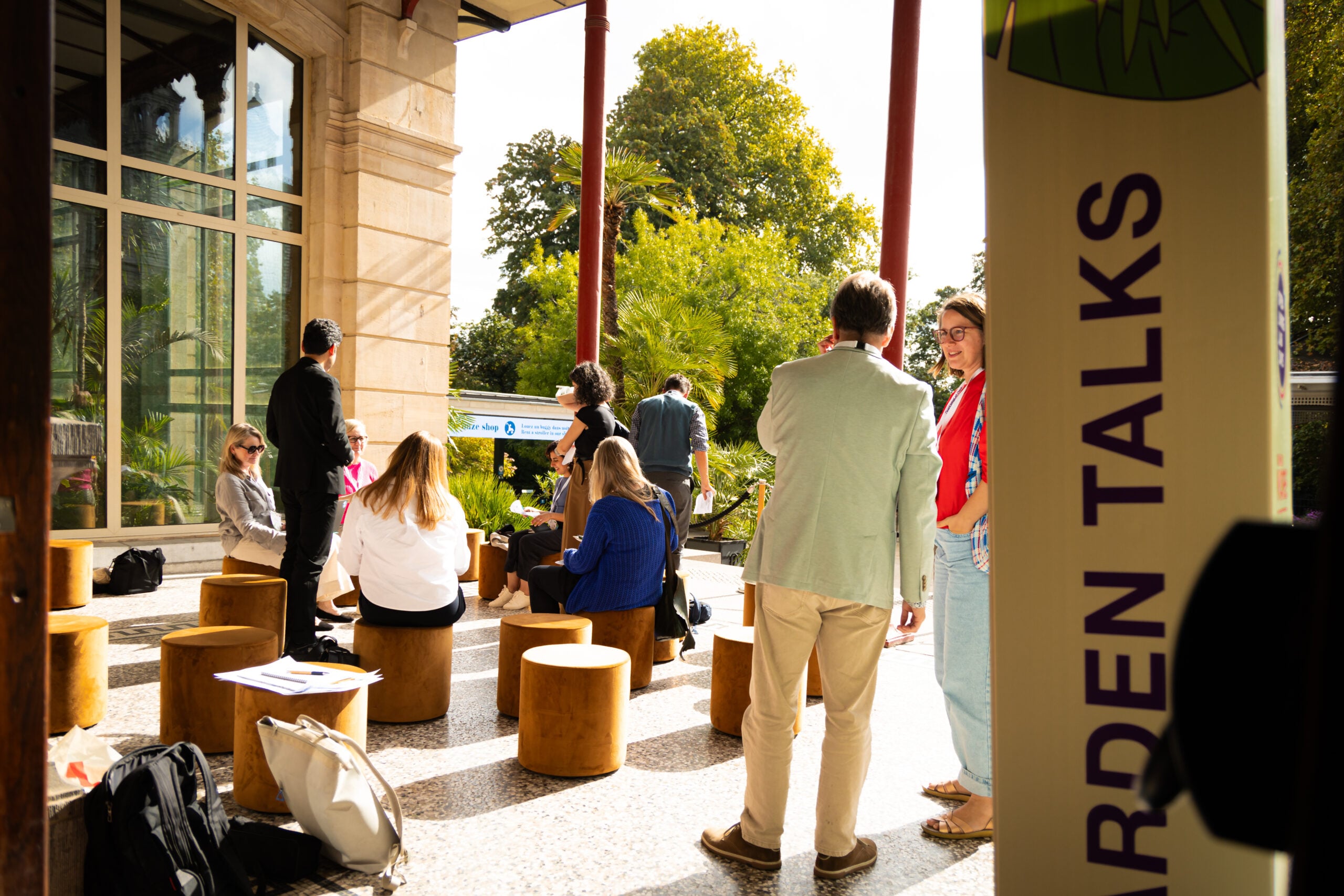
Beyond the conference rooms, the Garden Talks and Tools offered a relaxed outdoor space. There, participants could step away from screens, play, exchange ideas and connect informally. The programme featured 6 garden talks, while the garden tools offered a more impromptu environment. Participants made the most of the pleasant weather and continued the conversations outside the venue. There, the general public was also able to join the discussions and explore various topics on Living Labs.
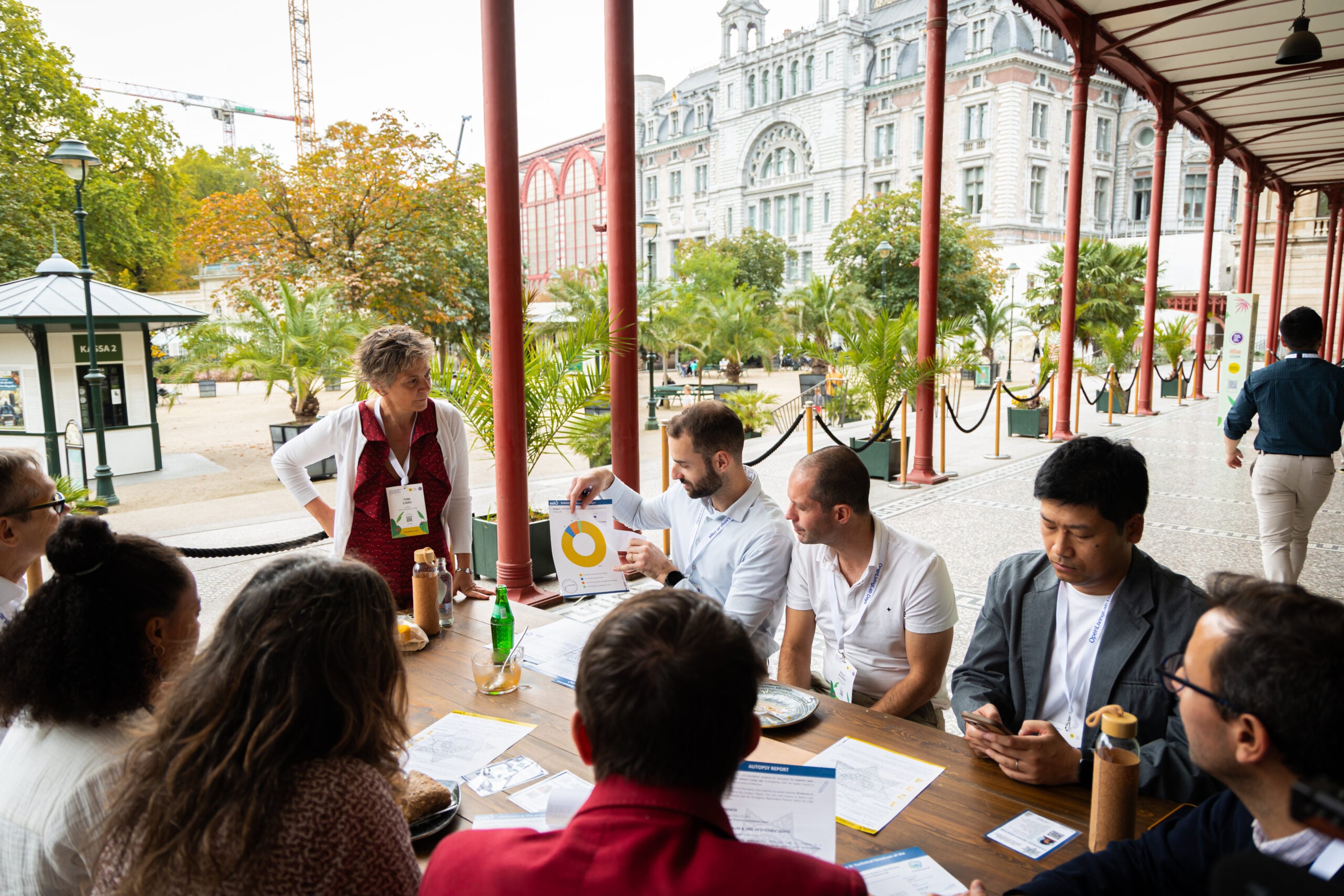
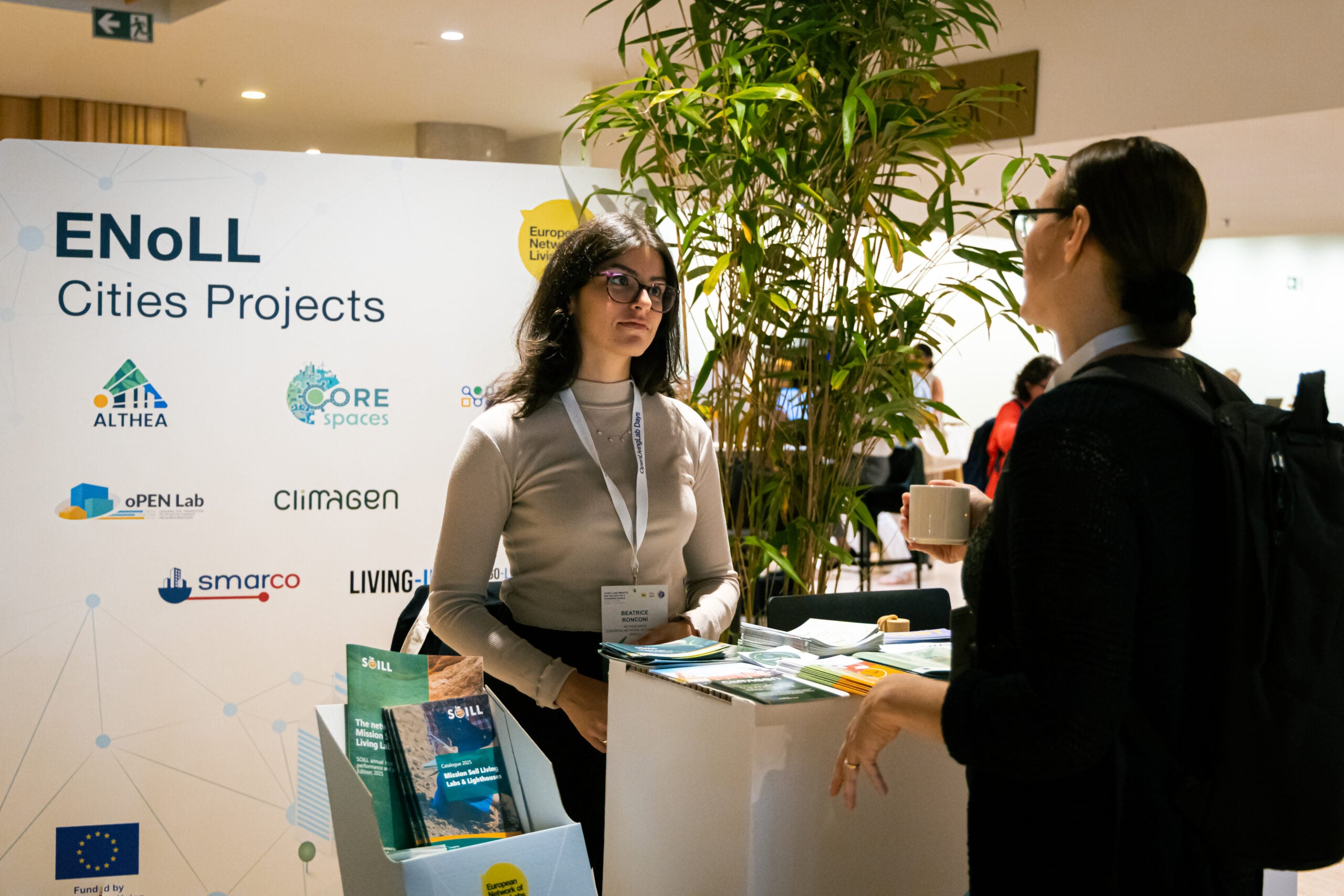
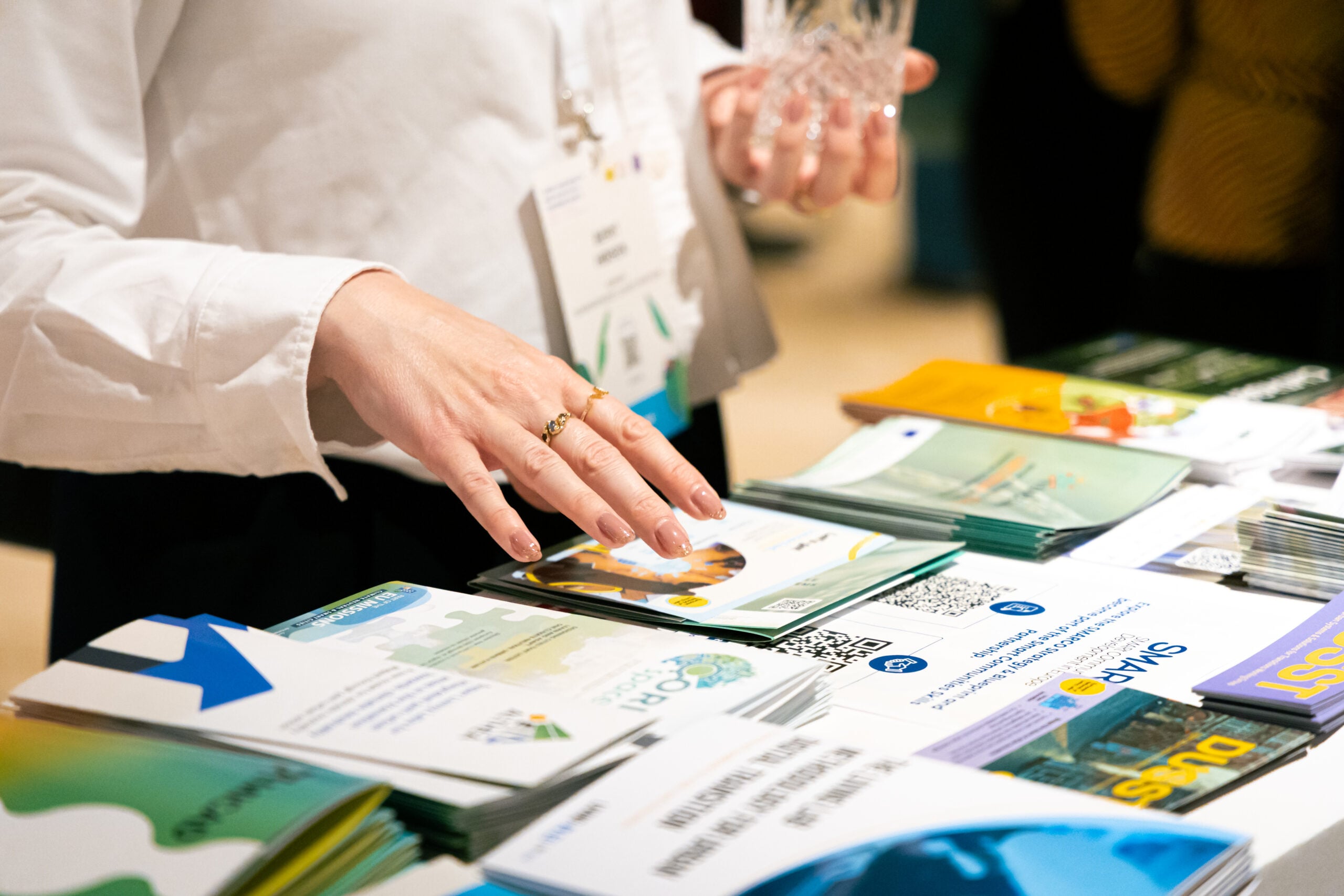
The exhibition area provided another space for discovery. Its 9 exhibition booths showcased Living Lab activities and concepts. At the ENoLL network and ENoLL valorisation booths, participants discovered the network and its activities. Additionally, dedicated project booths showcased a diverse portfolio of ENoLL projects. These projects are funded by the European Union’s Horizon Europe and Digital Europe programmes. They include ALTHEA, ClimaGen, CORESPACES, ENFORCE, EVOLVE2CARE, FARCLIMATE, Go LI.EU, LDT4SSC, MICAD, oPEN Lab, RAISESuite, ROTATES, SOILL and WINN-Organic.
Participants could also explore the work of Belgian Living Labs, DICE, PTWWZ, TRANS-SAHARA, AfroGrow, GALILEO, COSS Immersive Media Project Group and RURALITIES. Together, they brought a wide range of ideas and approaches into the conversation.
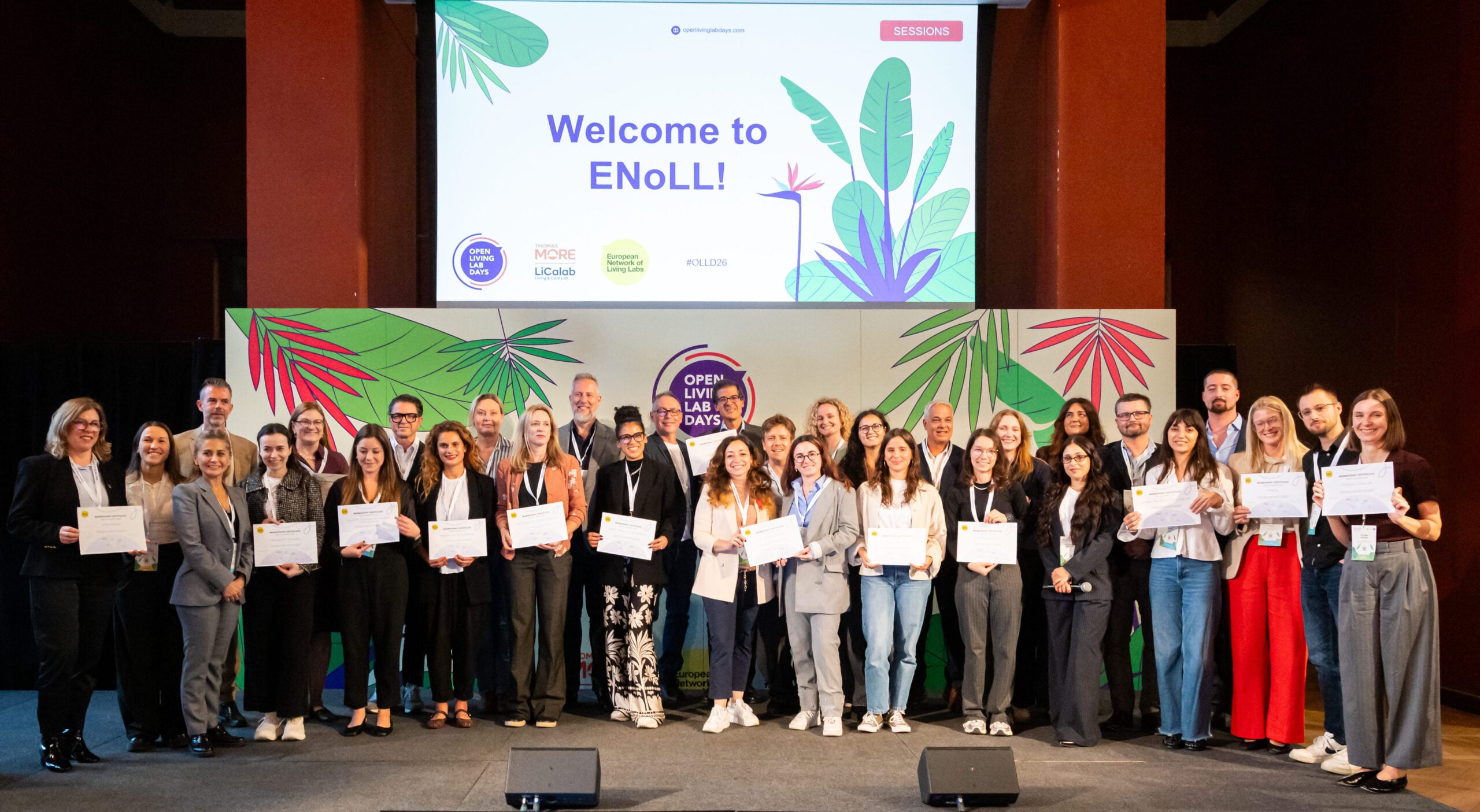
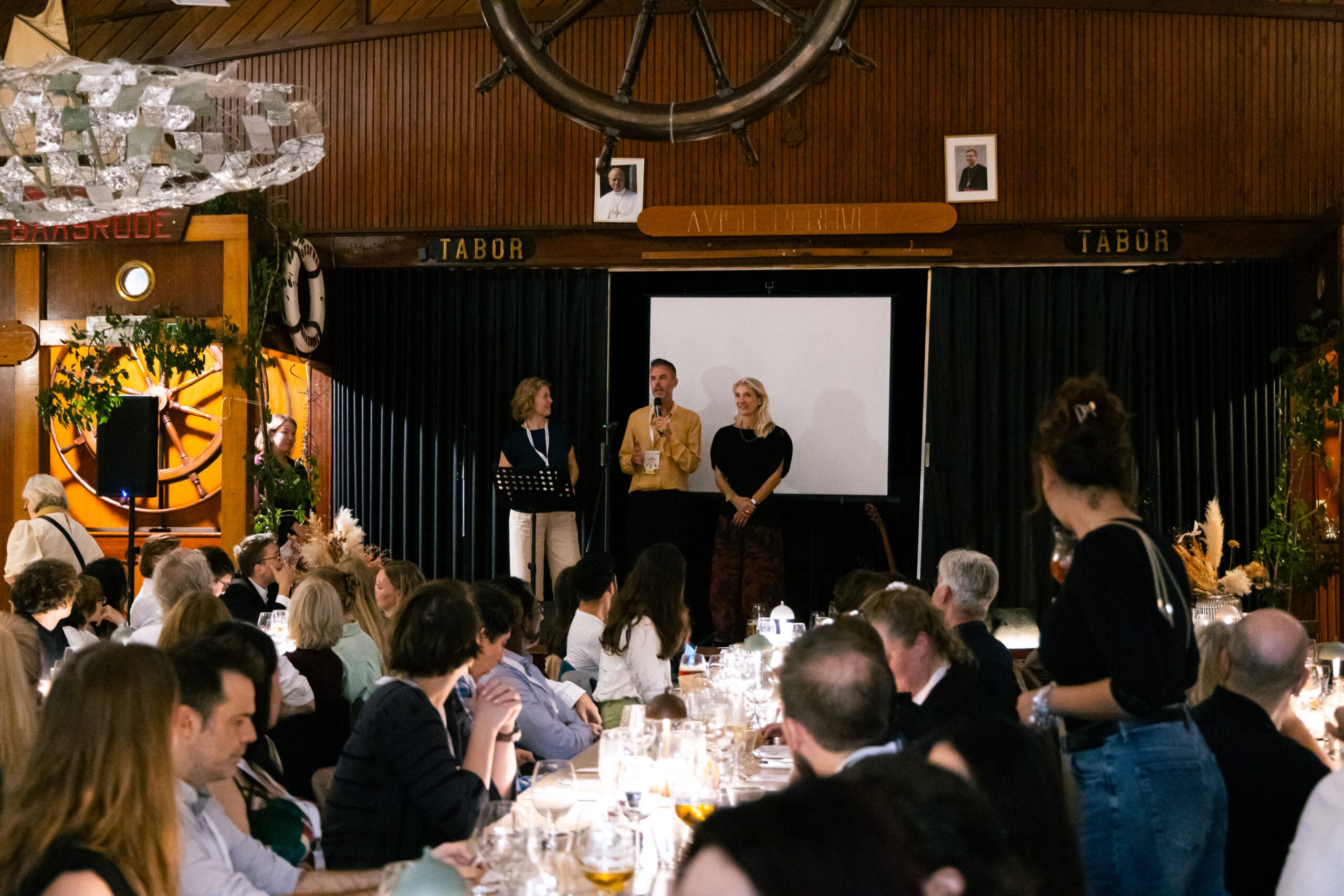
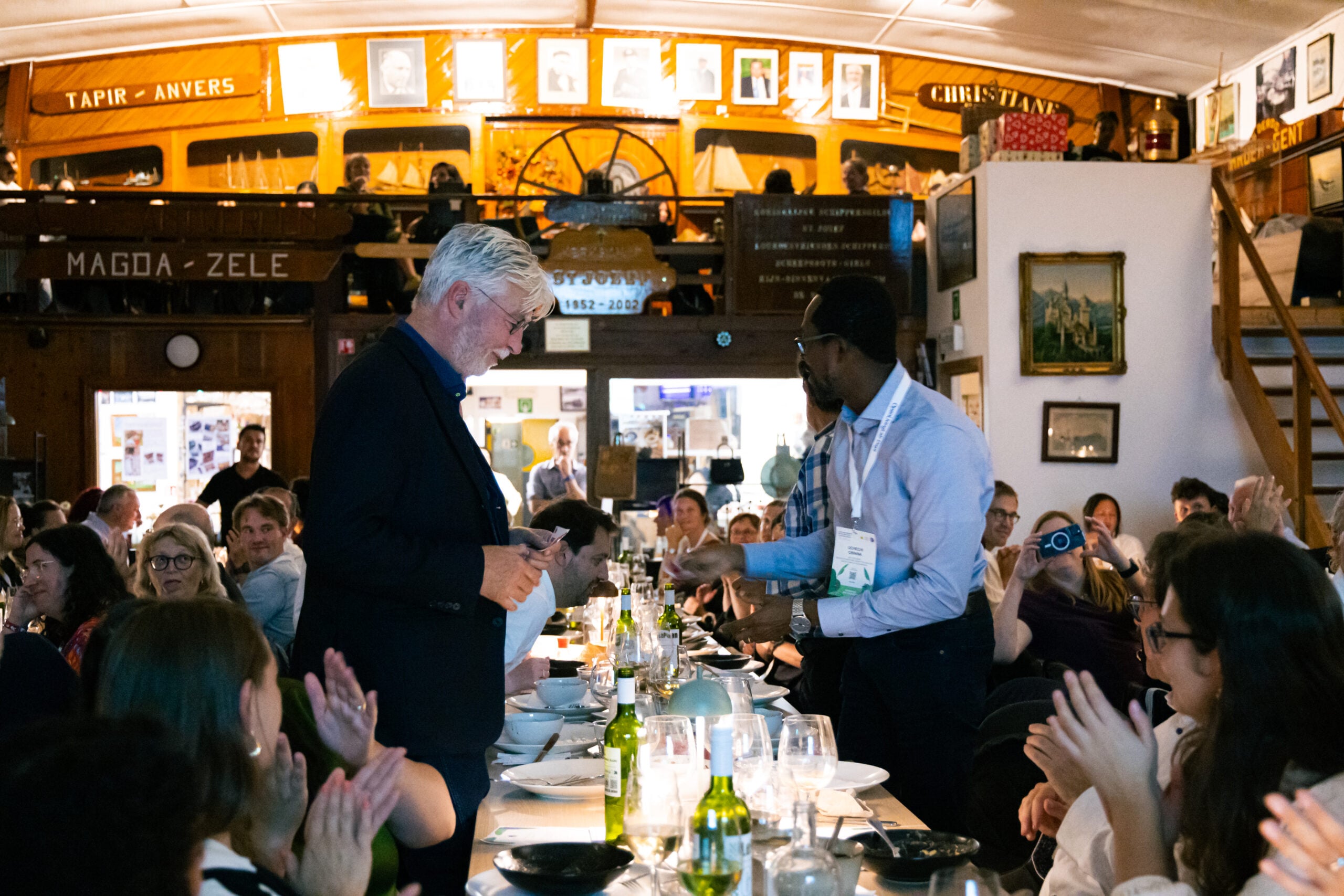
The new ENoLL Members were officially welcomed into the network during a dedicated ceremony at the end of Day 1, where representatives received their ENoLL Membership Certificates and introduced their organisations to the community.
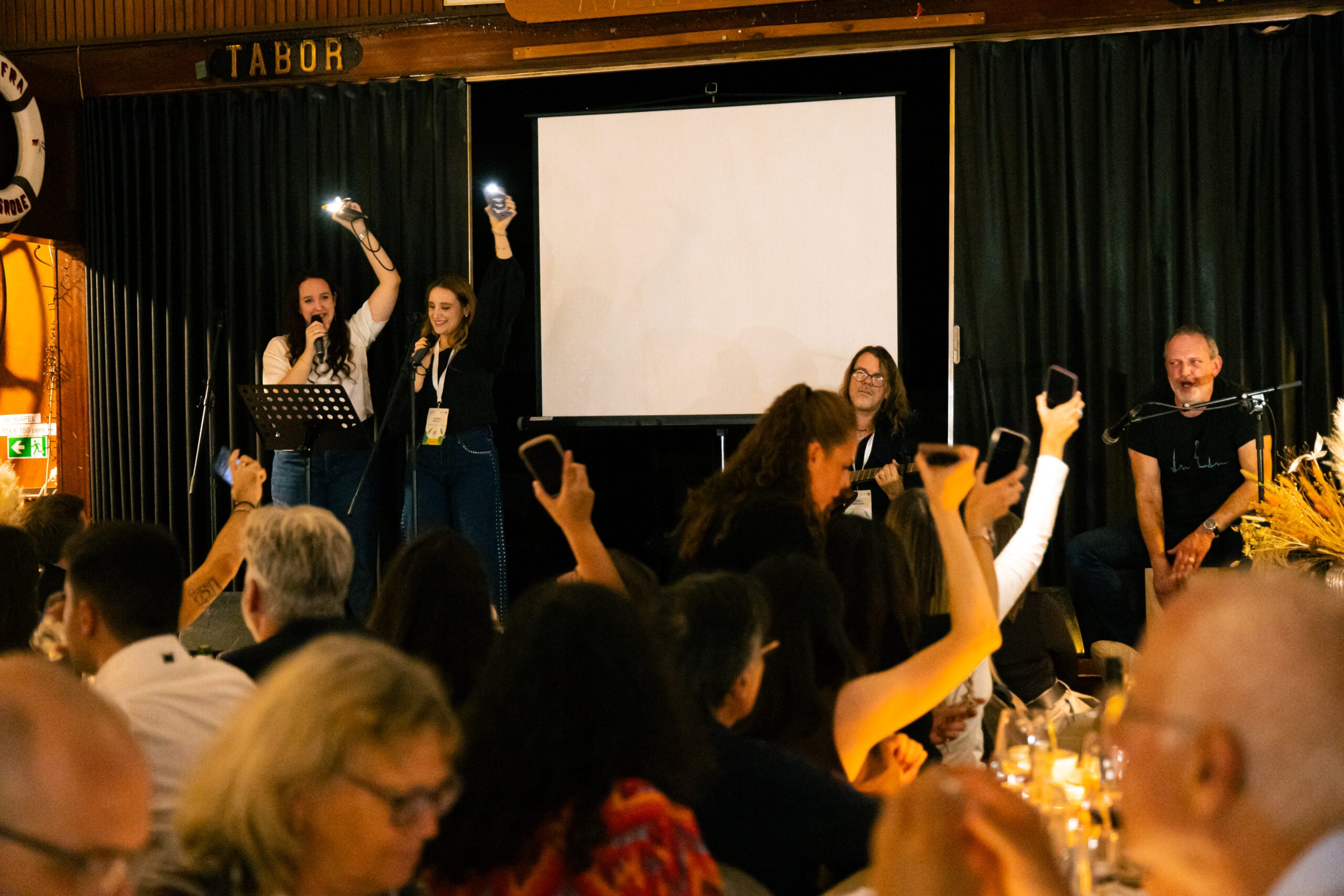
The celebrations continued over thenetworking and social dinner, that brought a playful spirit to the evening. Participants formed groups, mostly with people they had not previously met, and put their knowledge of all things Belgian to the test in a friendly competition. The ENoLL band provided entertainment as well as some musical lessons, adding another shared experience to the week.
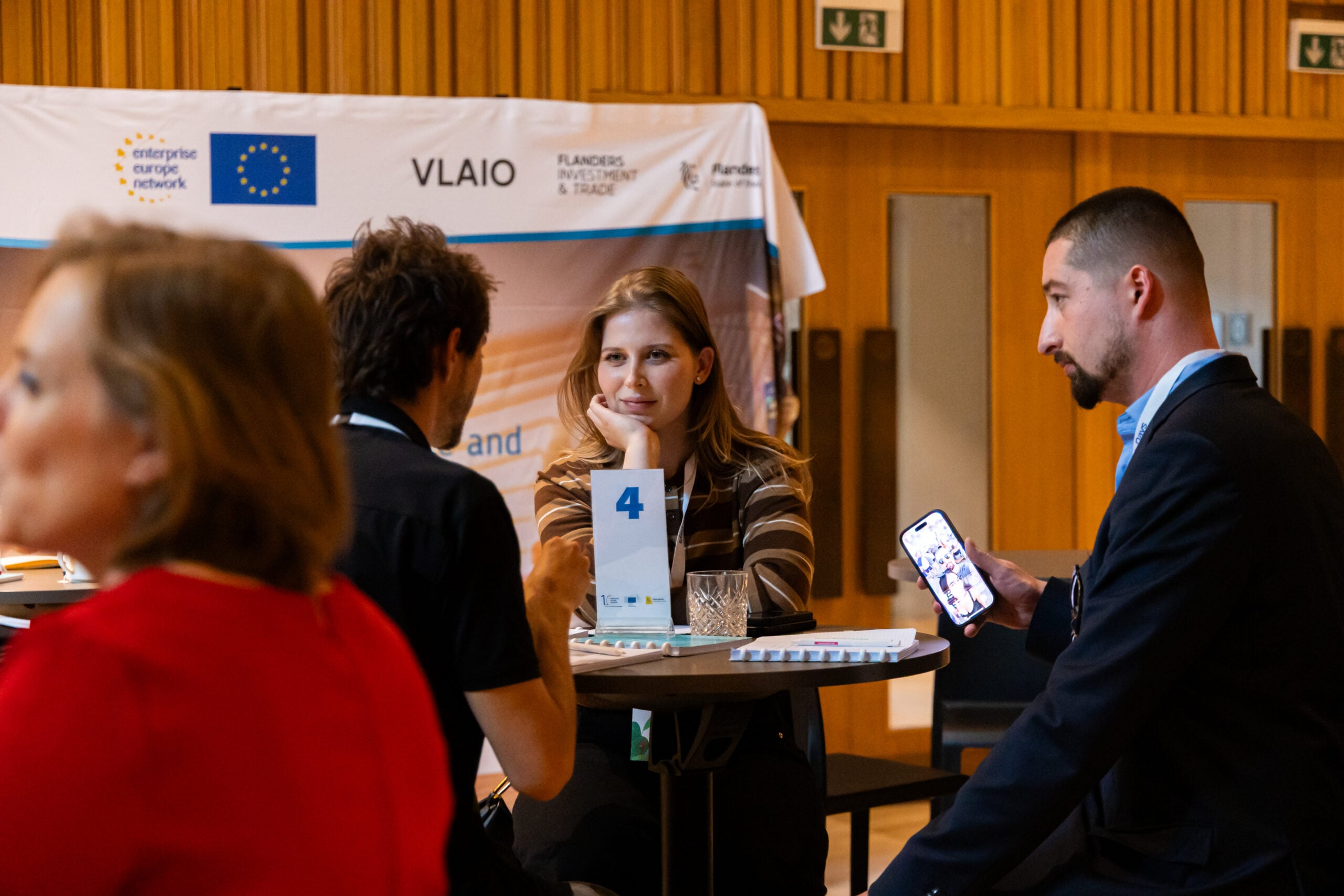
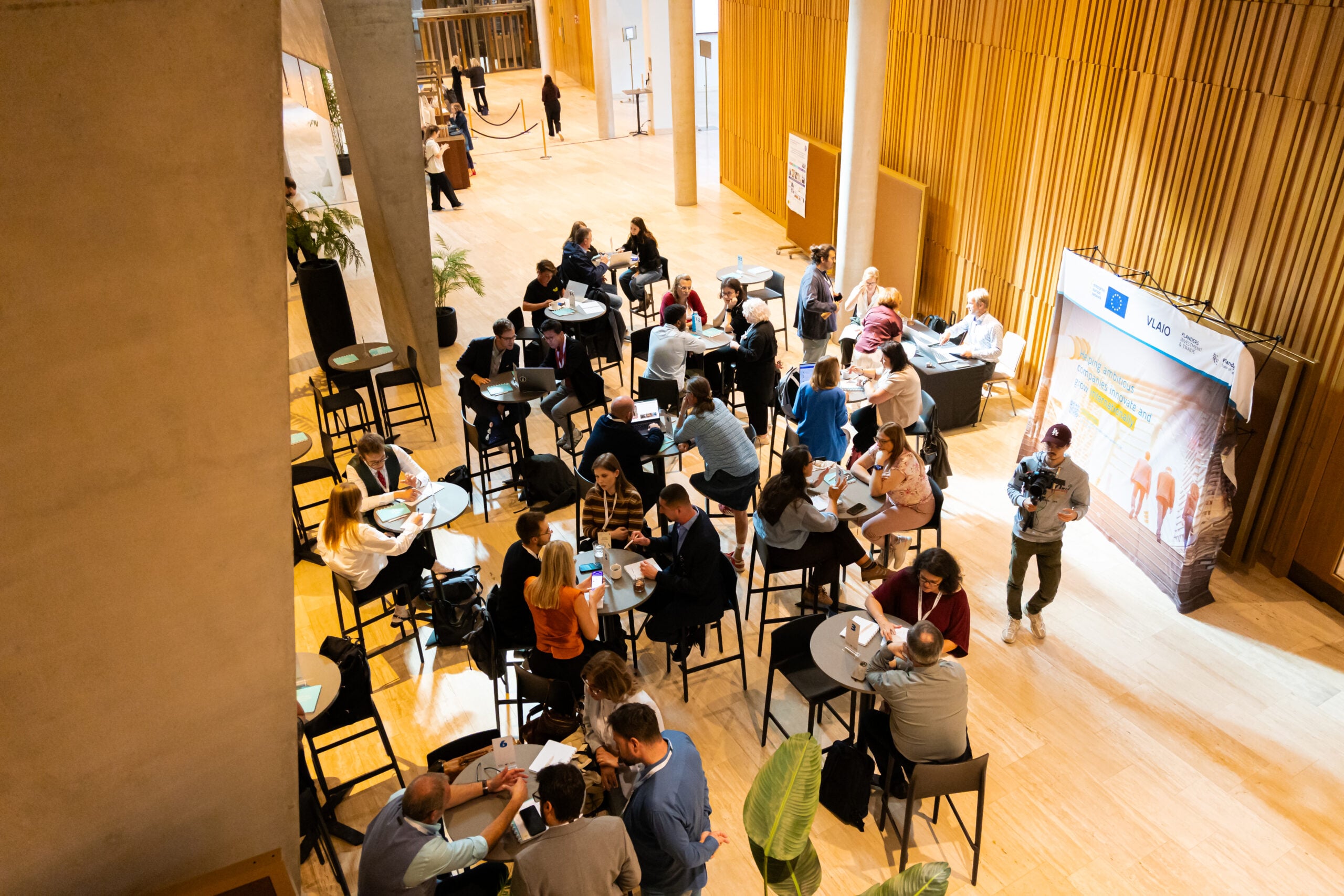
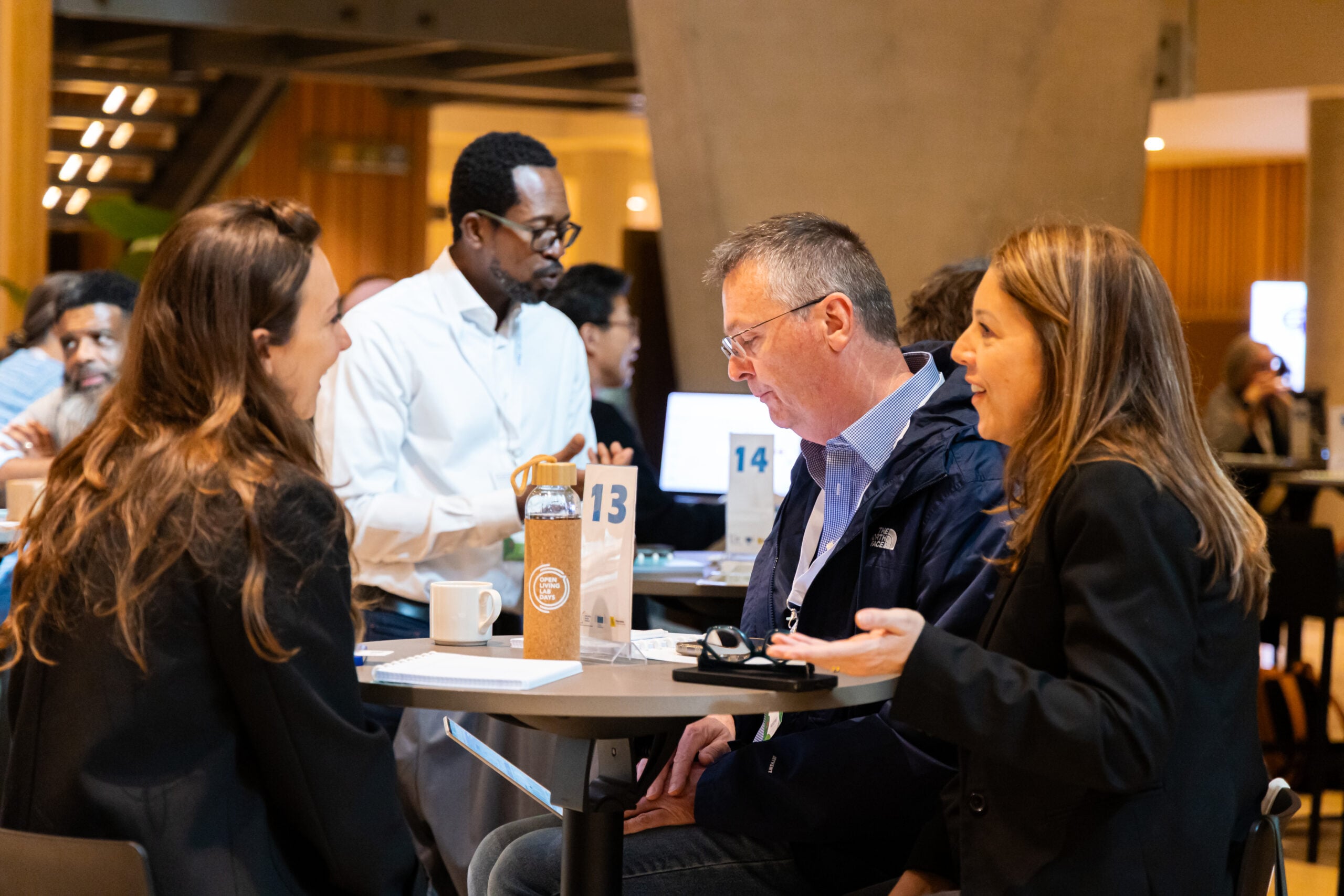
On the second day of the conference, Enterprise Europe Network organised a matchmaking and brokerage event. It connected conference participants with one another and with international businesses. Across 88 meetings, participants had opportunities to explore potential collaborations and build new relationships.
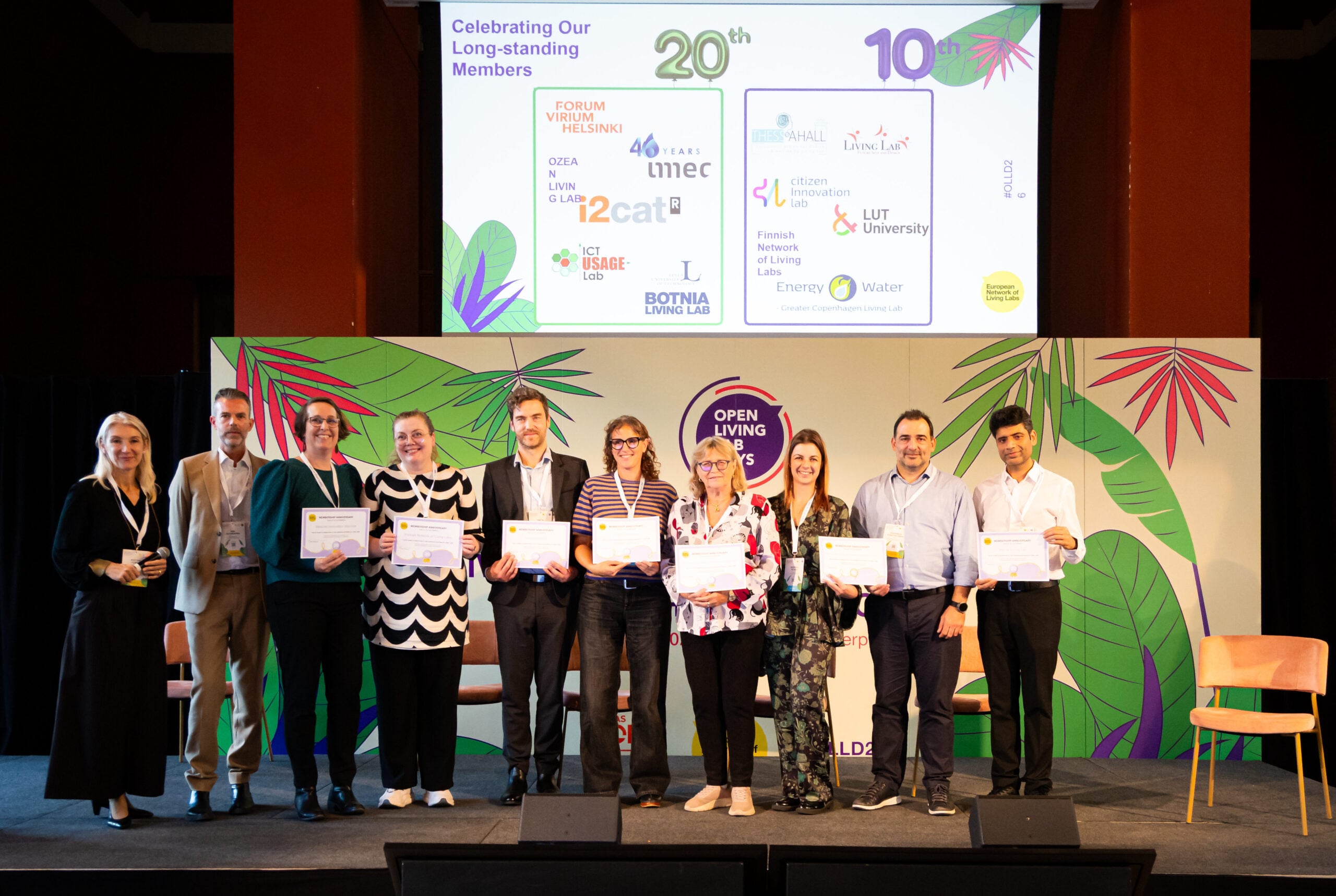
The closing ceremony celebrated the year-long celebration of ENoLL’s 20th anniversary, which will continue until November 2027. Further announcements offered the community more to look forward to: the ENoLL Magazine; a new career pathway launching in 2027 – Profession Living Labber, and a Living Lab retreat hosted by our member Qxote in Portugal.
Then came a much-anticipated moment: revealing where the Living Lab community will gather next. The 2027 edition of the OpenLivingLab Days will be hosted by LIRA Lab – Living Innovations for Regional Advancement in Vilnius, Lithuania, between 20 and 24 September 2027.
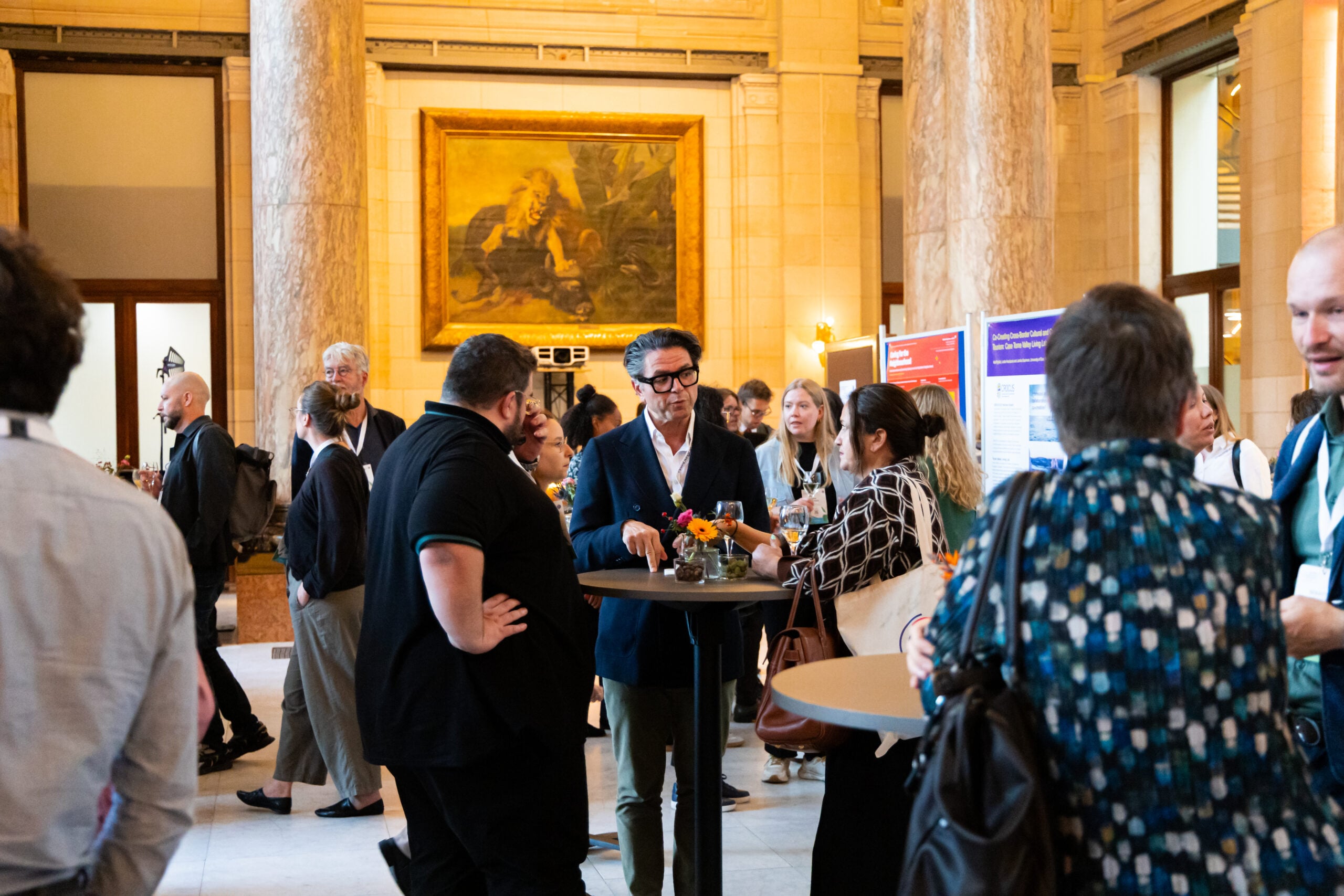
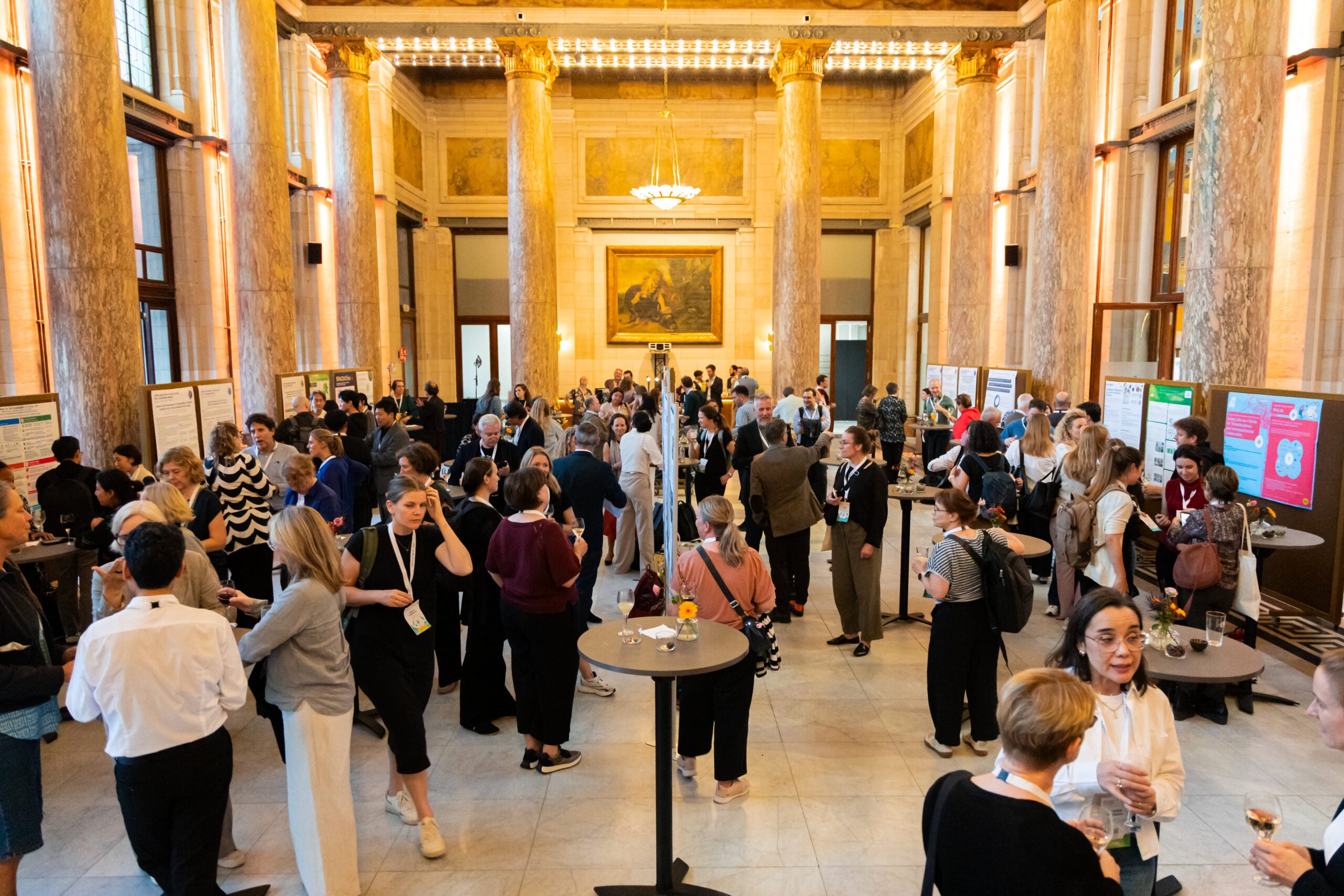
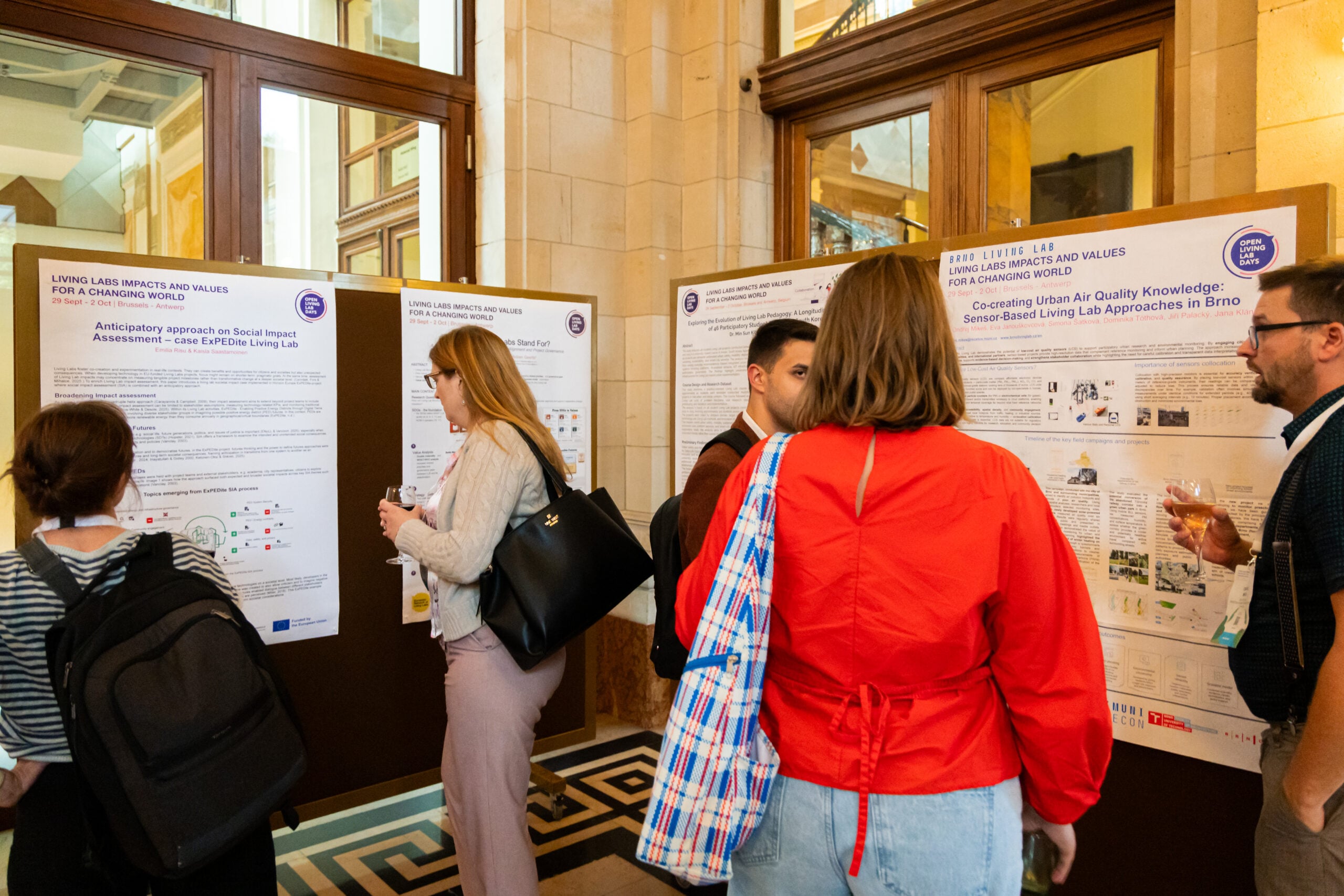
Conversations continued after the closing ceremony at Sip & Speak, the networking poster gathering that ended the second day. With 19 networking and 19 research posters on display, presenters showcased their work in an informal setting. As a result, the setting encouraged questions and exchanges. Introduced for the first time, the format kept conversations going as participants explored the posters and connected with their presenters.
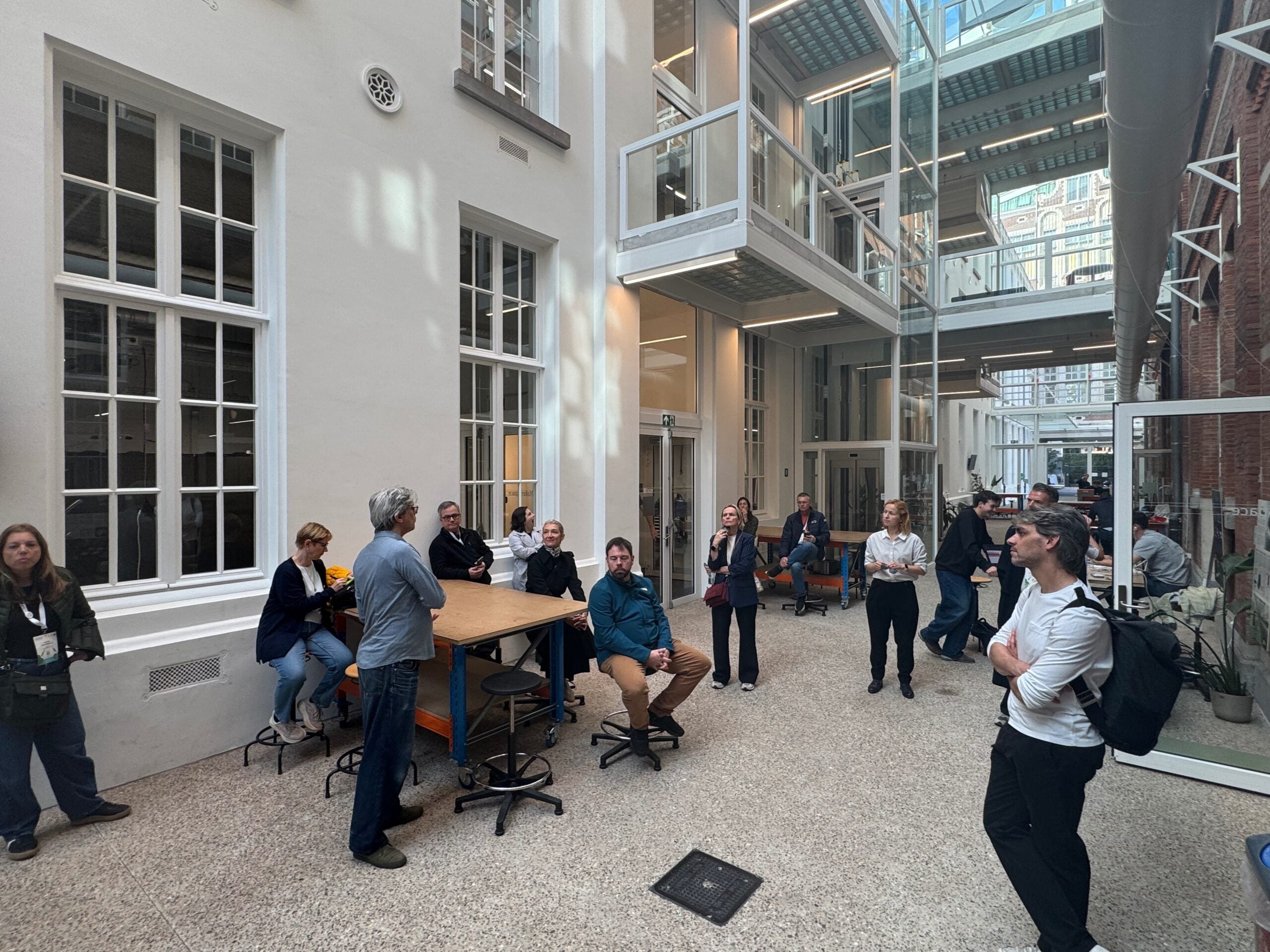
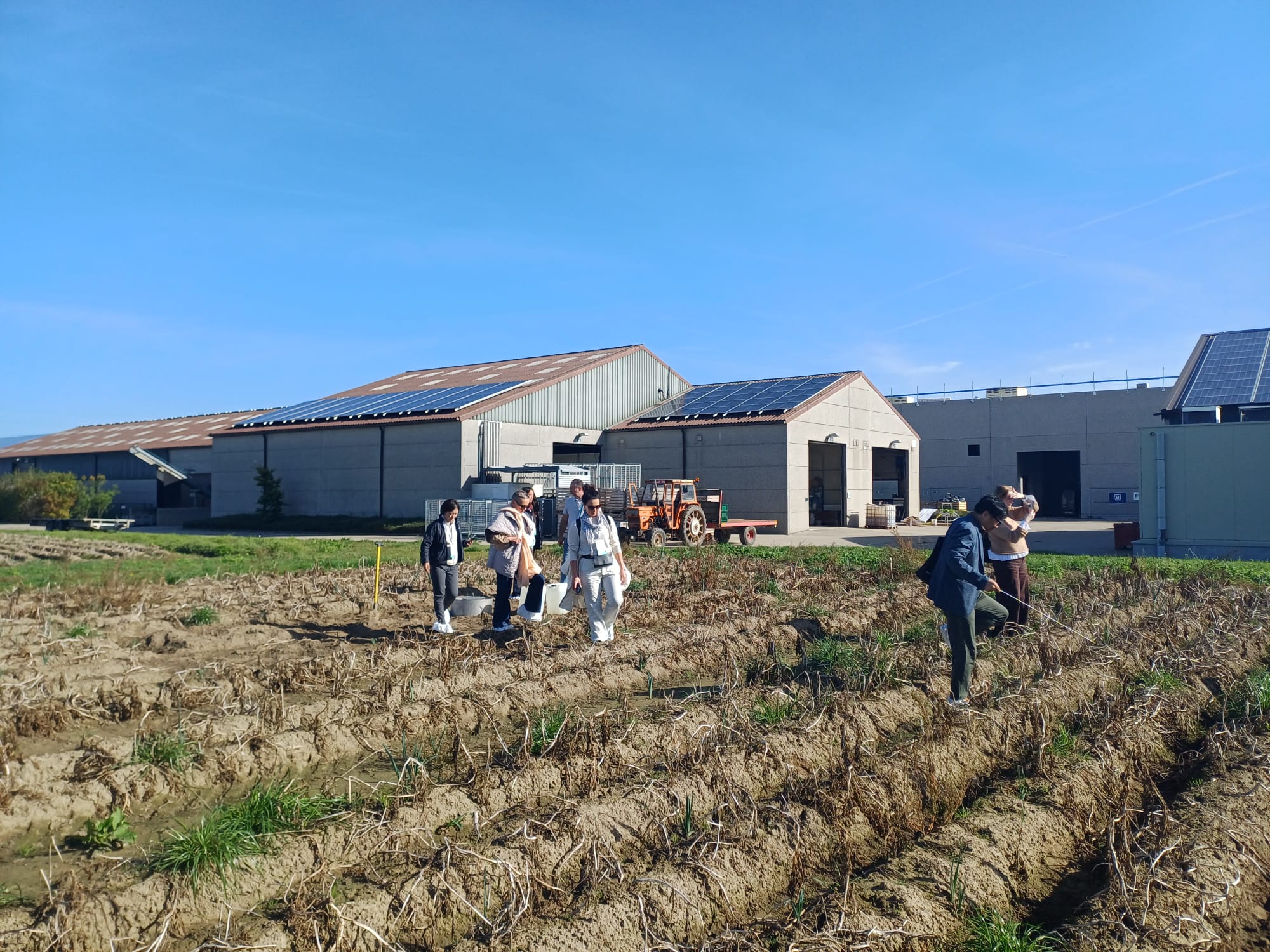
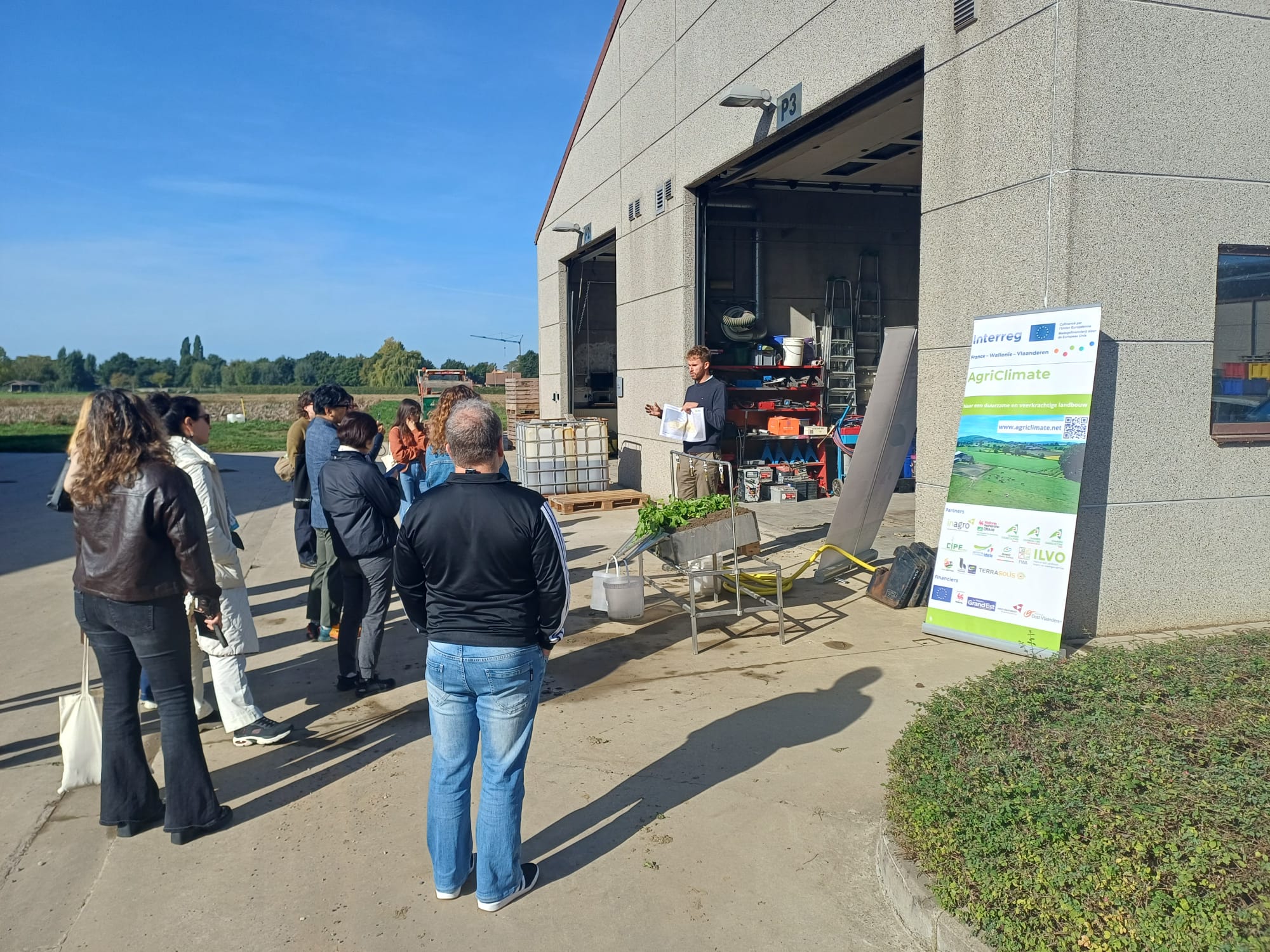
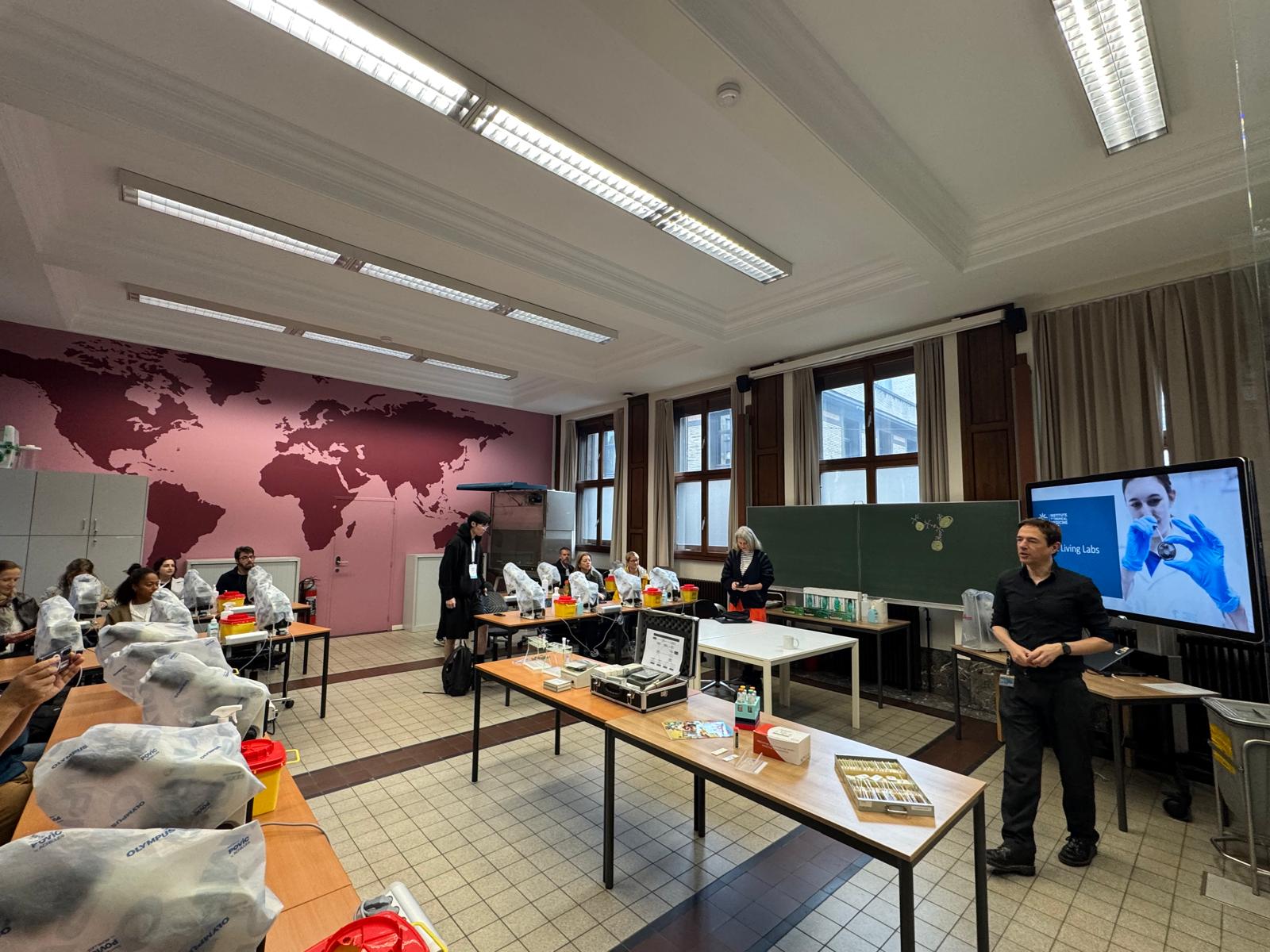
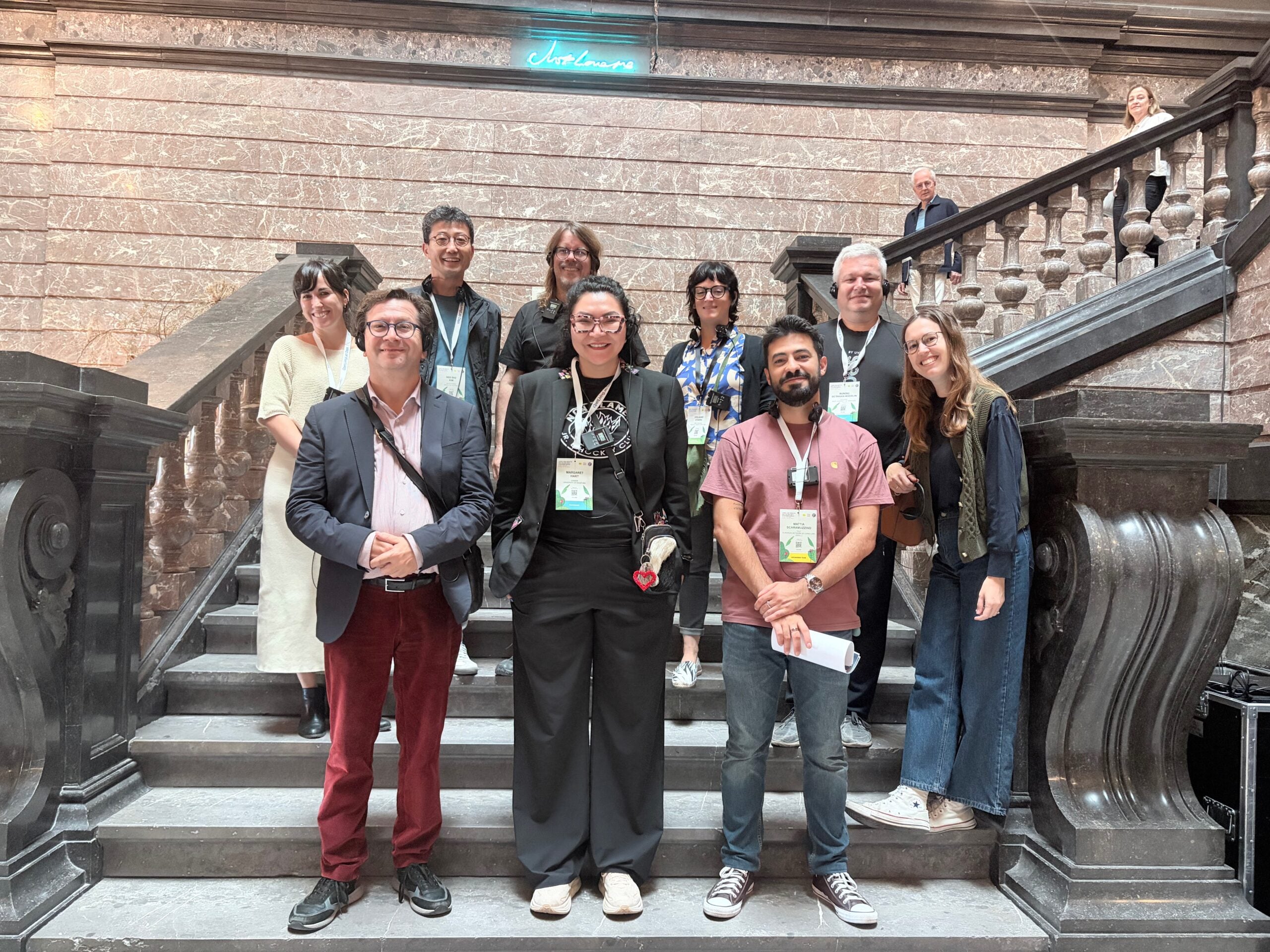
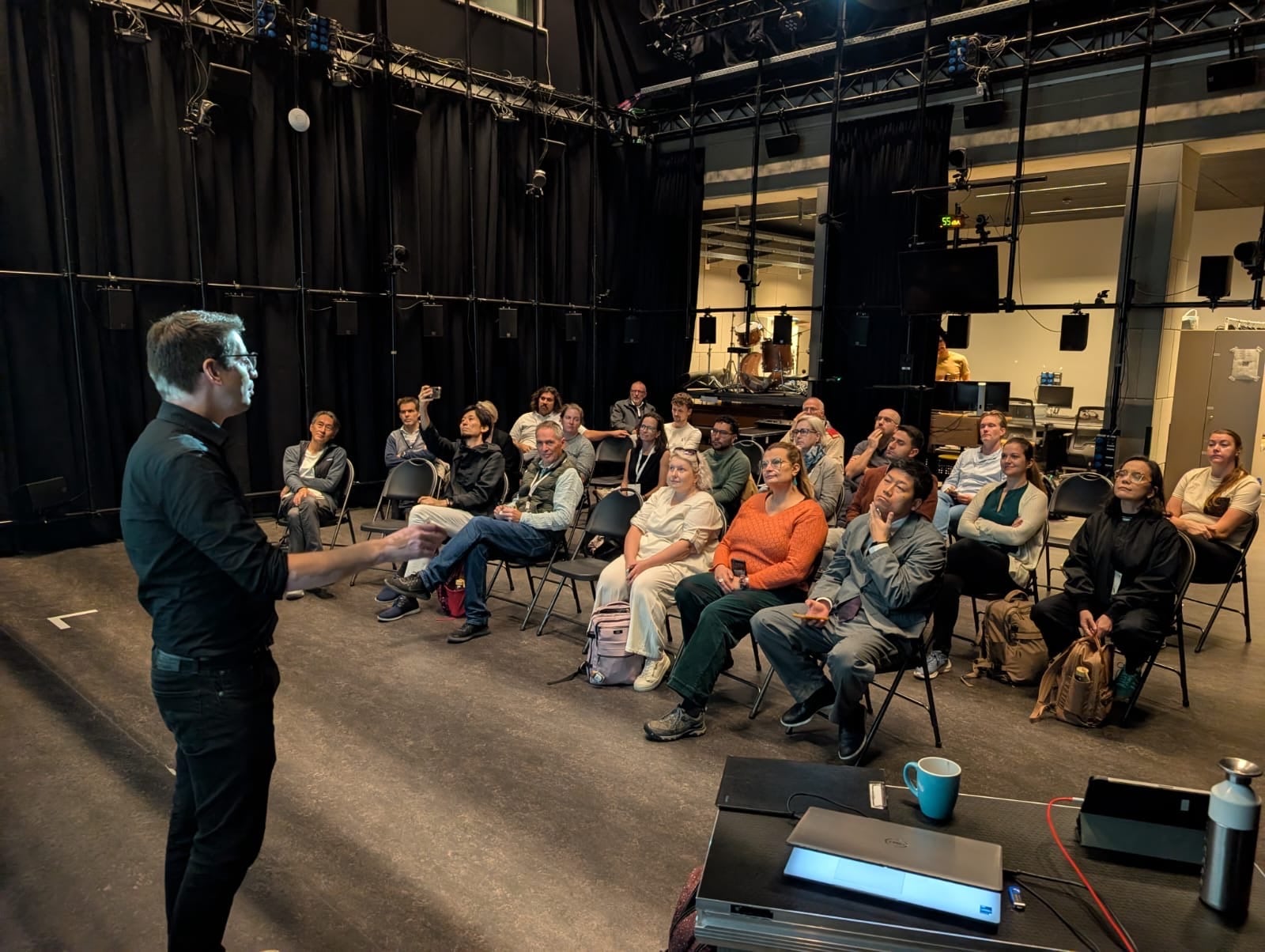
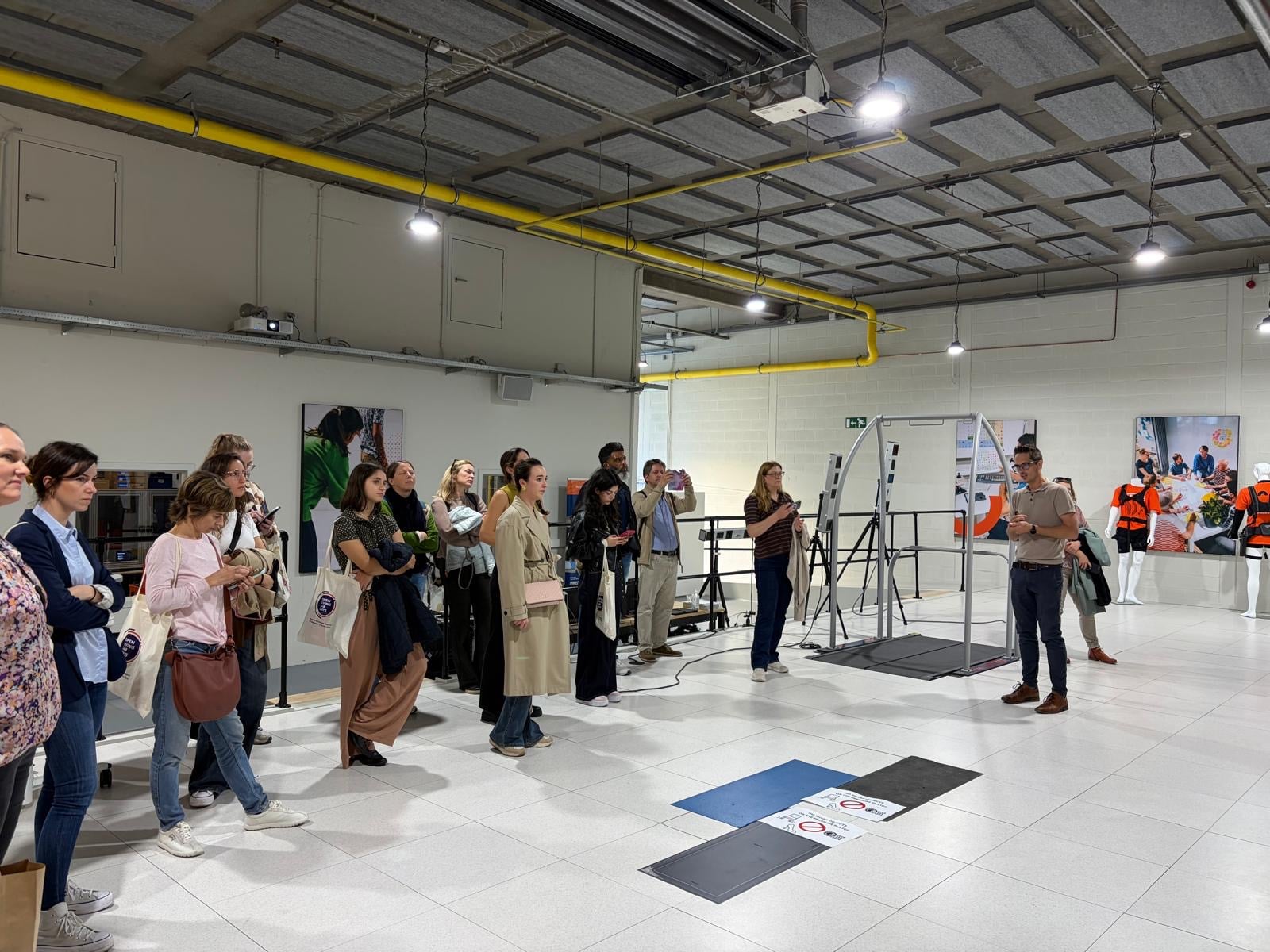
The final day took participants beyond the conference venue to explore innovation in practice through 6 field visits. The programme included visits to Living Labs: Living Lab Inagro & Agrotopia, imec’s Societal Imagineering Lab, and LiCalab Centres of Expertise at Thomas More in Geel. Participants could also join the Antwerp Innovation Walking Tour or discover Middelheim Museum through the Bypass Project. Alternatively, they could explore the Royal Museum of Fine Arts Antwerp (KMSKA).
We look forward to continuing knowledge sharing, exchanging and networking, at OpenLivingLab Days 2027 in Vilnius, Lithuania, between 20 and 24 September 2027. Mark your calendars for another opportunity to connect, learn and shape the future of Living Labs together!
Stay connected and inspired! Subscribe to our newsletter for the latest updates, insights, and innovations from our global community of Living Labs.