
For twenty years, the Living Lab movement has driven innovation, collaboration and societal impact. It began as an emerging approach to open and user-driven innovation. Since then, it has evolved into a worldwide movement. Today, it brings together people, organisations and territories around a shared ambition. That ambition is to make innovation more participatory, inclusive and connected to real-life challenges.
For the past five years, I have had the privilege of contributing to this journey as Director of the European Network of Living Labs (ENoLL). During this time, I have witnessed the growth of the Network. In addition, I have seen its increasing recognition within the European and international innovation landscape.
When I joined ENoLL, the Network counted 160 Members across 35 countries. It was an important moment for the Living Lab community, which stood at a crossroads. On the one hand, it could build on the visibility generated by the European Innovation Missions. This was particularly true of Mission Soil. On the other hand, it risked losing momentum. Indeed, the understanding of what Living Labs are and what they can contribute was increasingly blurred.
Nevertheless, the foundations were already strong. During its first fifteen years, ENoLL had invested in a shared definition. It had also built a quality assessment and certification framework. Moreover, it had worked for the recognition of institutionalised Living Labs beyond individual projects. This work was essential to building a common identity and a recognised international community.
I have often been told that the Living Lab movement started, in many ways, as a peace movement. Placing citizens at the centre of innovation was never simply a methodological choice. Instead, it was a political statement. It meant recognising people not merely as beneficiaries or end-users. Rather, it meant seeing them as active contributors to shaping their own futures. This spirit remains at the heart of the movement.
Over the years, Living Labs have demonstrated their contribution well beyond Open Innovation. For example, they support Open Science and act as Research and Technology Infrastructures. Furthermore, they address challenges across sectors, from digital technologies and health to energy, climate, water and culture. They connect research, policy, business and citizens. In doing so, they bring innovation into territories and translate policy ambitions into tangible action.
I have always particularly appreciated the definition of Living Labs as a 4P approach: Public-Private-People Partnerships. Together with ENoLL’s motto “Empower Everyone to Innovate”, it captures a fundamental ambition. That ambition is the democratisation of innovation.
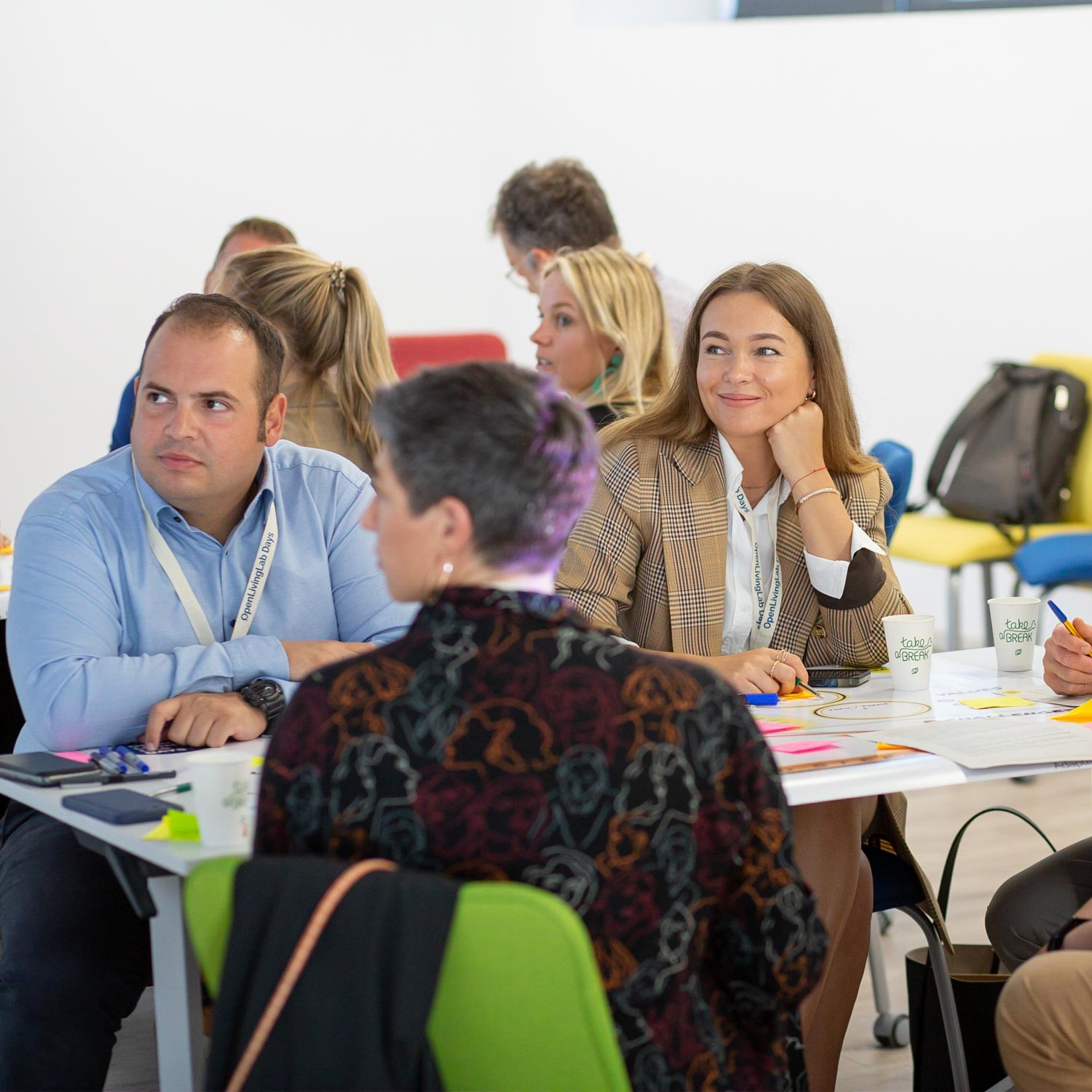
ENoLL has evolved alongside this movement. This progress reflects the commitment of successive Presidents, Councils, Members and the Secretariat. Over time, the Network has strengthened its policy engagement. In addition, it has contributed to work with the European Commission on Regulatory Learning and Zero Pollution. It has also advocated for the recognition of Living Labs as Research Infrastructures. Furthermore, it has developed new services and market opportunities for Members, including AccelUP. Meanwhile, OpenLivingLab Days has grown into a flagship international gathering for the community.
Today, 198 Members across 46 countries represent a remarkable wealth of knowledge, experience and connections. Stronger membership requirements have helped build a more sustainable and active network. At OLLD26, we also celebrated Members who have been with ENoLL for ten and twenty years. This reminded us that continuity and commitment are among the Network’s greatest assets.
Looking back, one lesson stands out: the strength of a network is the network itself. Its value lies in the willingness of its Members to connect, exchange, learn and create opportunities together.
Twenty years after its foundation, ENoLL is a testimony to what the Living Lab movement has achieved. At the same time, it is a platform for what comes next. Climate change, biodiversity loss, social inclusion and technological transformation call for new ways of developing and implementing innovation. Living Labs have a distinctive contribution to make here. They bring knowledge, institutions and people together to shape solutions that respond to real needs.
In this context, the next chapter is about consolidating their recognition. It is also about strengthening their sustainability as organisations and infrastructures. Finally, it means creating new opportunities for their professional and economic development.
Twenty years on, our ambition remains to empower everyone to innovate. We also want to make innovation matter where people live, work and shape their futures.
My gratitude goes to everyone who has contributed to these twenty years and continues to build this movement.
by Martina Desole, ENoLL Director
Stay connected and inspired! Subscribe to our newsletter for the latest updates, insights, and innovations from our global community of Living Labs.