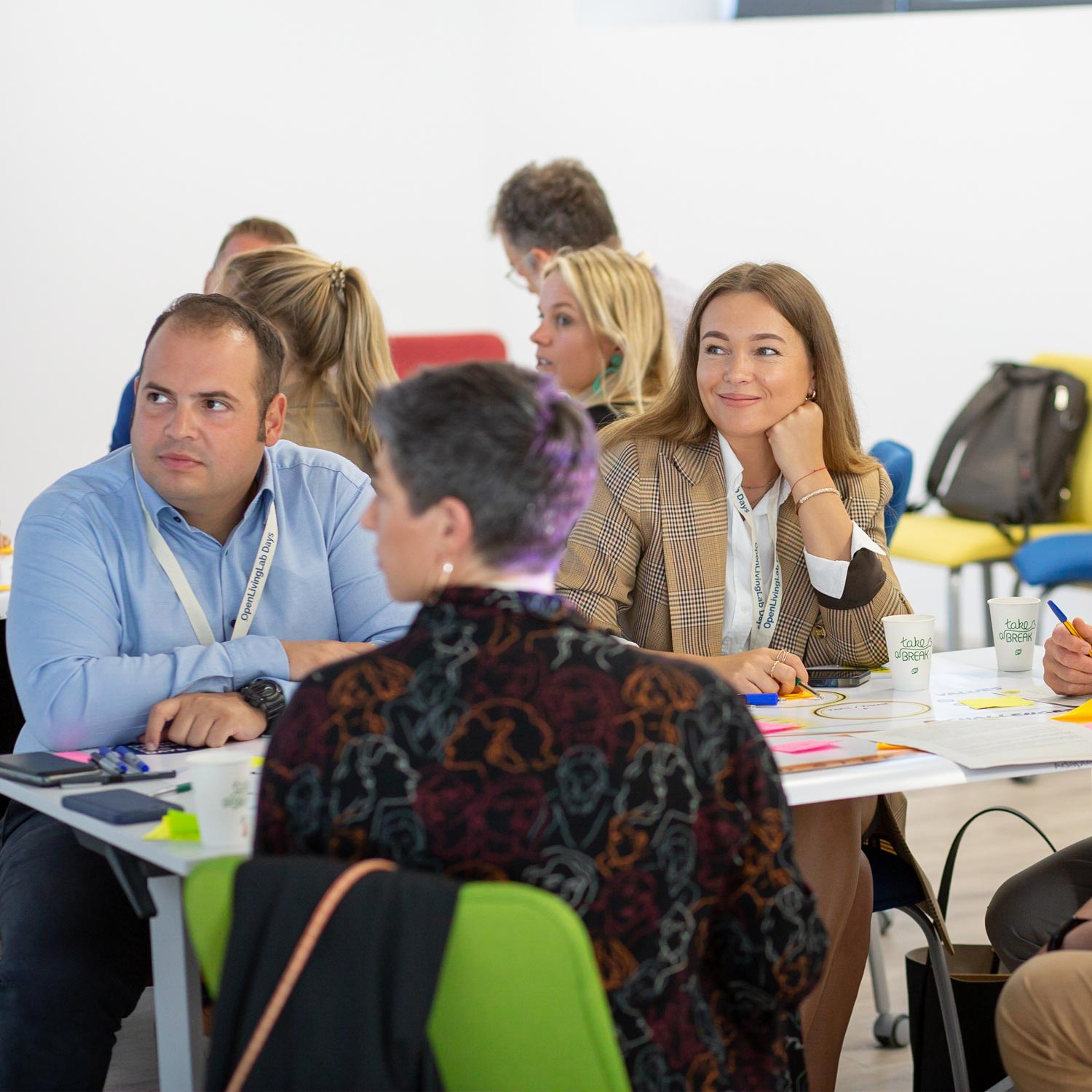
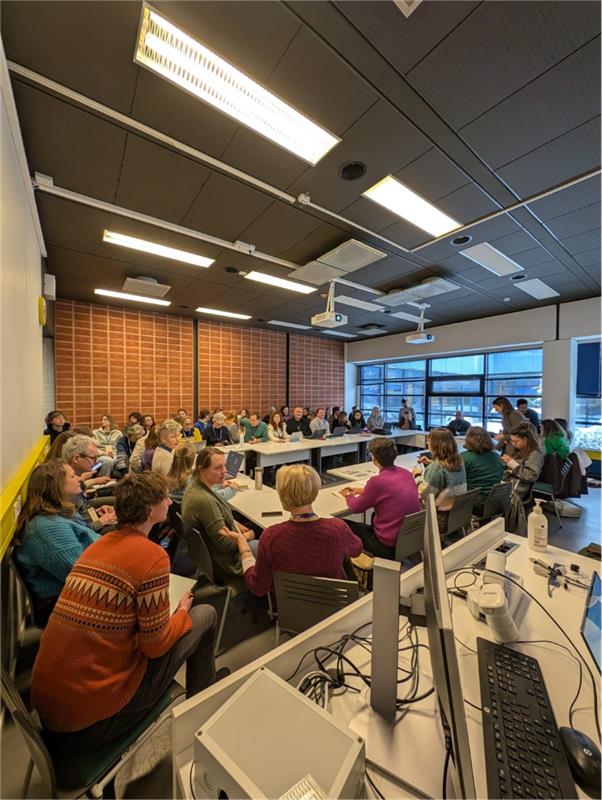
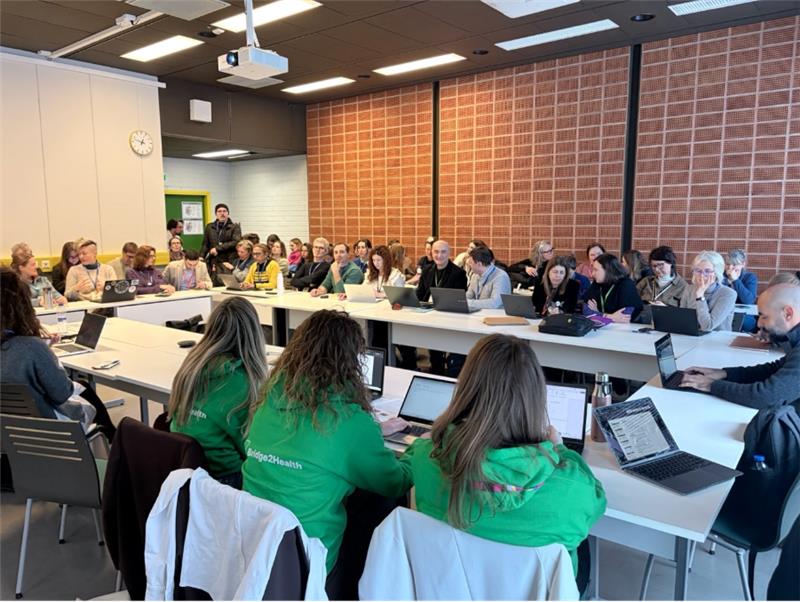
On 3 March 2026, ENoLL organised a roundtable discussion titled “Exploring the Relationship Between Living Labs and Citizen Science” during the European Citizen Science Association (ECSA) conference. The session attracted significant interest, with more than 70 participants attending, creating a lively and highly interactive discussion.
The roundtable was organised within the framework of the ENFORCE project, where ENoLL leads the work on Living Lab development for case studies.
These case studies aim to enhance environmental compliance by integrating citizen science with innovative technologies, demonstrating how participatory approaches can support more effective environmental monitoring and governance.
As part of the session, two ENFORCE case studies were presented, highlighting practical applications of these approaches in Brașov, Romania, and Amsterdam, the Netherlands.
Beyond the ENFORCE project, the roundtable brought together speakers and perspectives from several European projects working at the intersection of citizen engagement, innovation ecosystems, and participatory research.
The session was facilitated by Spela Zalokar and Bertille Auvray from ENoLL and Nehis Osagie from WAAG FutureLab, alongside researchers:
Isayvani Naicker (Evisights) presented work on building actionable policies through evidence and insights generated by citizen science networks and Living Labs, highlighting their potential to support sustainable, collaborative, and creative innovation ecosystems.
Tudose Nicu Constantin and Mirabela Marin from the National Institute for Research and Development in Forestry “Marin Drăcea” discussed how citizen science is transforming forest management, demonstrating how participatory monitoring approaches can support decision-making and environmental stewardship.
Professor Cristian Ioja from the University of Bucharest, Center for Environmental Research explored how Living Labs and citizen science can work together to support climate adaptation in metropolitan areas, emphasizing the importance of bridging innovation ecosystems with participatory research.
Nikki Jepkema, Amy Jeschke and Lieke Dalstra from Hanze University of Applied Sciences reflected on the ethical and practical dilemmas encountered when embedding citizen science within Living Labs, particularly around reciprocity, trust, and ethical engagement with communities.
Finally, Sorin Cheval from the National Meteorological Administration shared lessons from co-creating climate services across Europe, highlighting how citizen science and stakeholder engagement can strengthen climate knowledge and service development.
Stay connected and inspired! Subscribe to our newsletter for the latest updates, insights, and innovations from our global community of Living Labs.