How can tourism support the everyday life of cities and the people who live in them? What role can it play in shaping the future of our cities?
Despite welcoming millions of visitors each year, Tourism Lab Amsterdam and Tourism Lab Rotterdam continue to explore these questions. They will address them during the upcoming Deep Dive into Regenerative Tourism and Placemaking, which takes place on 11 to 12 March across both cities.
These questions sit at the heart of placemaking and regenerative tourism.
Placemaking starts from a simple idea. Cities are shaped not only by planners or designers, but also by the people who live in them every day. It focuses on streets that invite people to stay, public spaces that reflect local stories, and neighbourhoods that feel alive because communities recognise themselves in them.
Regenerative tourism takes this one step further. Rather than asking how tourism can simply be less harmful or less noisy, it asks how tourism can actively contribute to stronger social connections, resilient local economies, and urban development that benefitsboth residents and visitors.
As Roos Gerritsma, Associate Professor and Lab Lead at the Urban Leisure & Tourism Lab Amsterdam, explains:
“We have been running this lab for several years now, and multiple times a year we have one of those ‘wow’ moment. The key question is how do we make our spaces safer, fun, and overall more attractive?’’
Behind the upcoming Deep Dive are Tourism Lab Amsterdam and Tourism Lab Rotterdam, two Living Labs rooted in very different urban realities.
Amsterdam, with its historic centre and high tourism pressure, constantly balances welcoming visitors with improving everyday life for residents.
Meanwhile, Rotterdam, a city rebuilt through experimentation, offers a different perspective. Here, innovation, culture, and community-led initiatives play a central role in shaping public space.
Together, the two cities form an ideal living laboratory where tourism and placemaking intersect in practice.
The labs work closely with local communities, municipalities, cultural organisations, and entrepreneurs. As a result, they explore new ways of thinking about leisure and tourism while responding to real places, people, and everyday challenges.
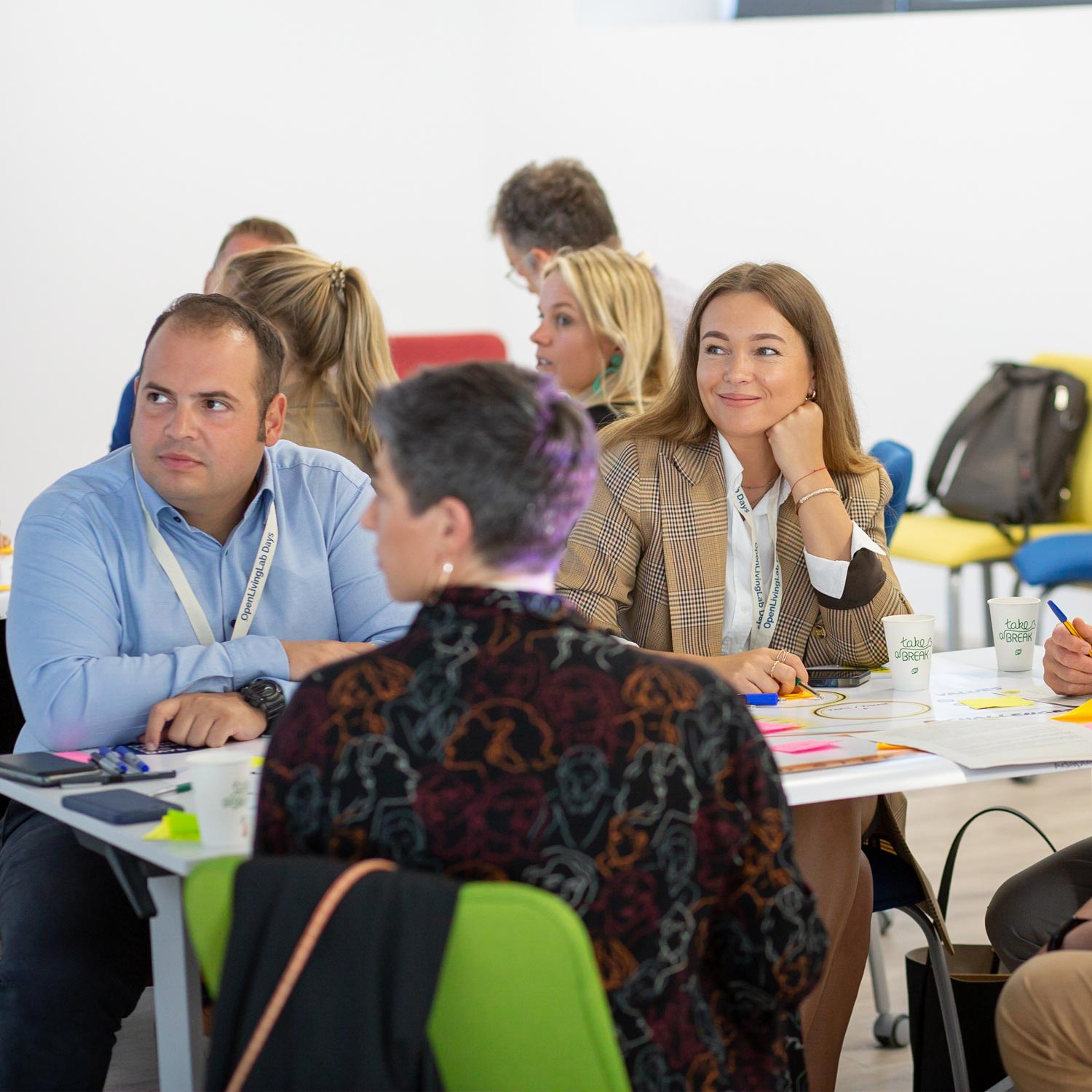
The Deep Dive moves away from a classic, one-directional lecture format. Instead, ENoLL experts designed the programme as a two-day, in-person learning experience for participants who want to strengthen their Living Labs skills.
Participants step into the city, engage with practitioners working on the ground, and exchange experiences with peers from different contexts. At the same time, they observe, discuss, and reflect together.
The focus remains practical. Participants explore what works, what does not, and what can be adapted elsewhere. In line with the Living Labs methodology, the process tackles critical questions and complex issues without offering pre-packaged or simple solutions.
In practice, this means walking through neighbourhoods and asking why some places invite connection while others do not. It also means leaving with new perspectives, practical insights, and meaningful connections that extend well beyond the two days.
This Deep Dive suits anyone working at the intersection of cities, tourism, culture, and community engagement. It also welcomes those who are simply curious about how urban places can be shaped more thoughtfully.
Participants will gain an insider view of regenerative tourism and fresh ideas for rethinking the future of tourism in cities.
Access the full programme and secure your spot for the event here.
Written by: Eleni Matraka from the Capacity Building Unit
Stay connected and inspired! Subscribe to our newsletter for the latest updates, insights, and innovations from our global community of Living Labs.